

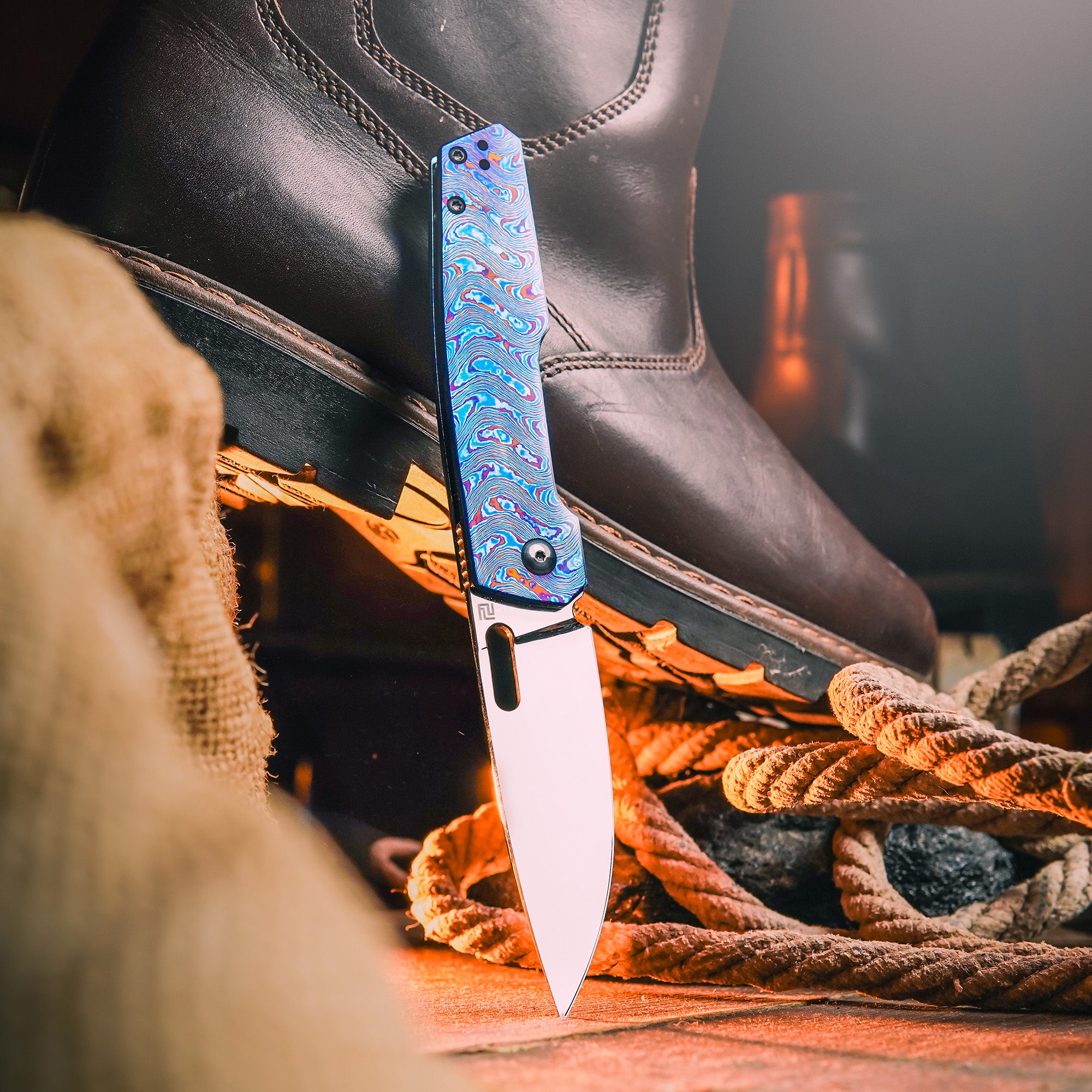
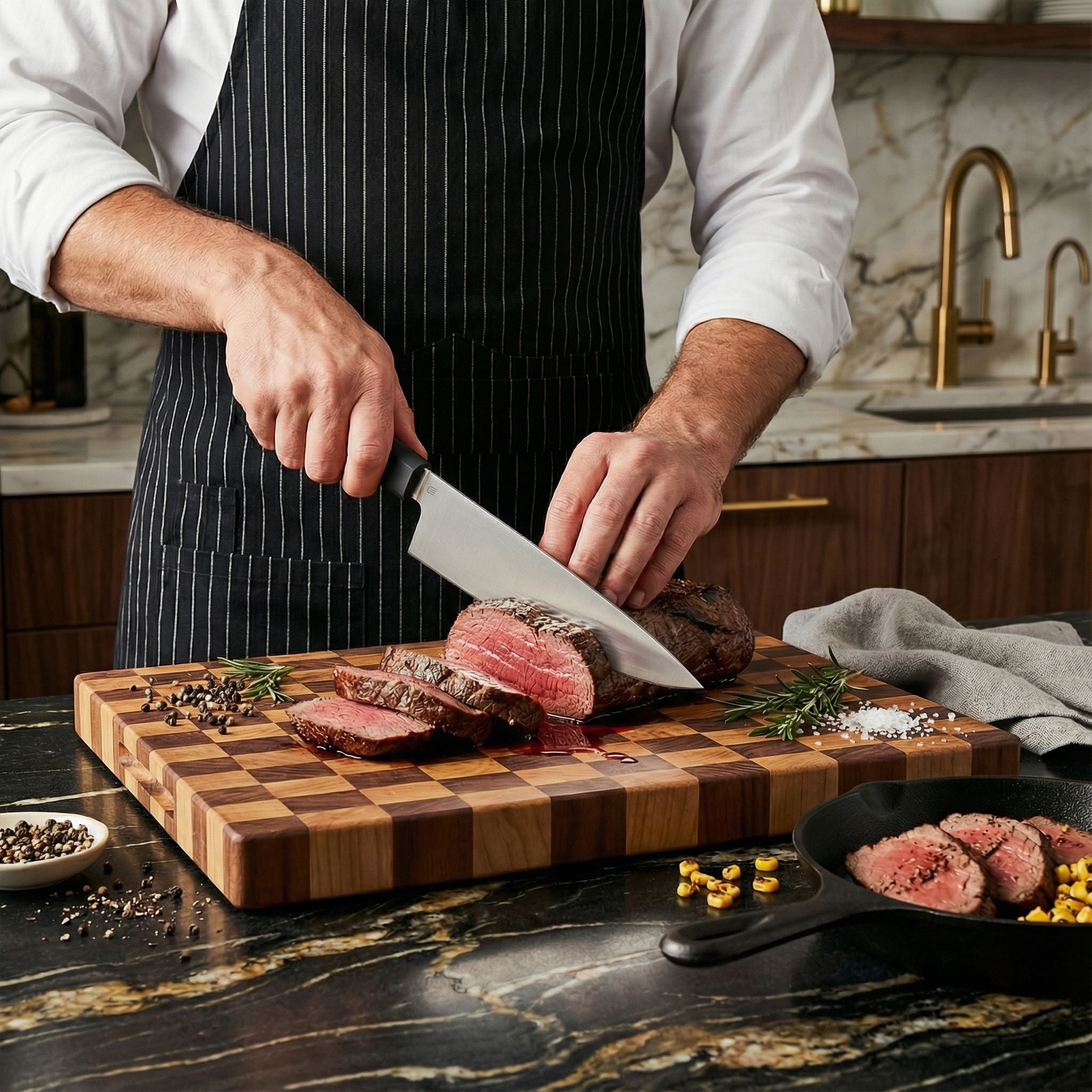

Everyday carry is personal. The folder that disappears into one person's pocket is the one another person leaves in a drawer. So rather than crown a single "winner," the best EDC knife in 2026 is the one that matches your steel preference, your local law, your hand size and your budget — and then actually gets carried. Here are the six criteria that separate a great everyday carry from a shelf ornament, and how to weigh each one.
Six criteria decide whether an EDC folder earns its place in your pocket in 2026.
What "Best" Really Means for an EDC Knife
An everyday carry knife has to do three jobs well: open smoothly every time, hold an edge through a week of boxes and paracord, and stay legal and comfortable in your pocket. A knife that is beautiful but heavy, or tough but rust-prone, fails one of those jobs. The criteria below are ordered by how much each one affects day-to-day satisfaction.
1. Blade Steel: Match the Steel to How You Maintain It
Steel drives edge retention, corrosion resistance and sharpening effort. There is no single "best" steel — only the right compromise for your habits.
- 14C28N — a stainless workhorse from Alleima (formerly Sandvik): excellent toughness, very good corrosion resistance and easy sharpening. The safest pick for a first or only EDC.
- D2 — a high-carbon, high-chromium tool steel with strong edge retention. It is only "semi-stainless," so it rewards a wipe-down in humid or coastal climates.
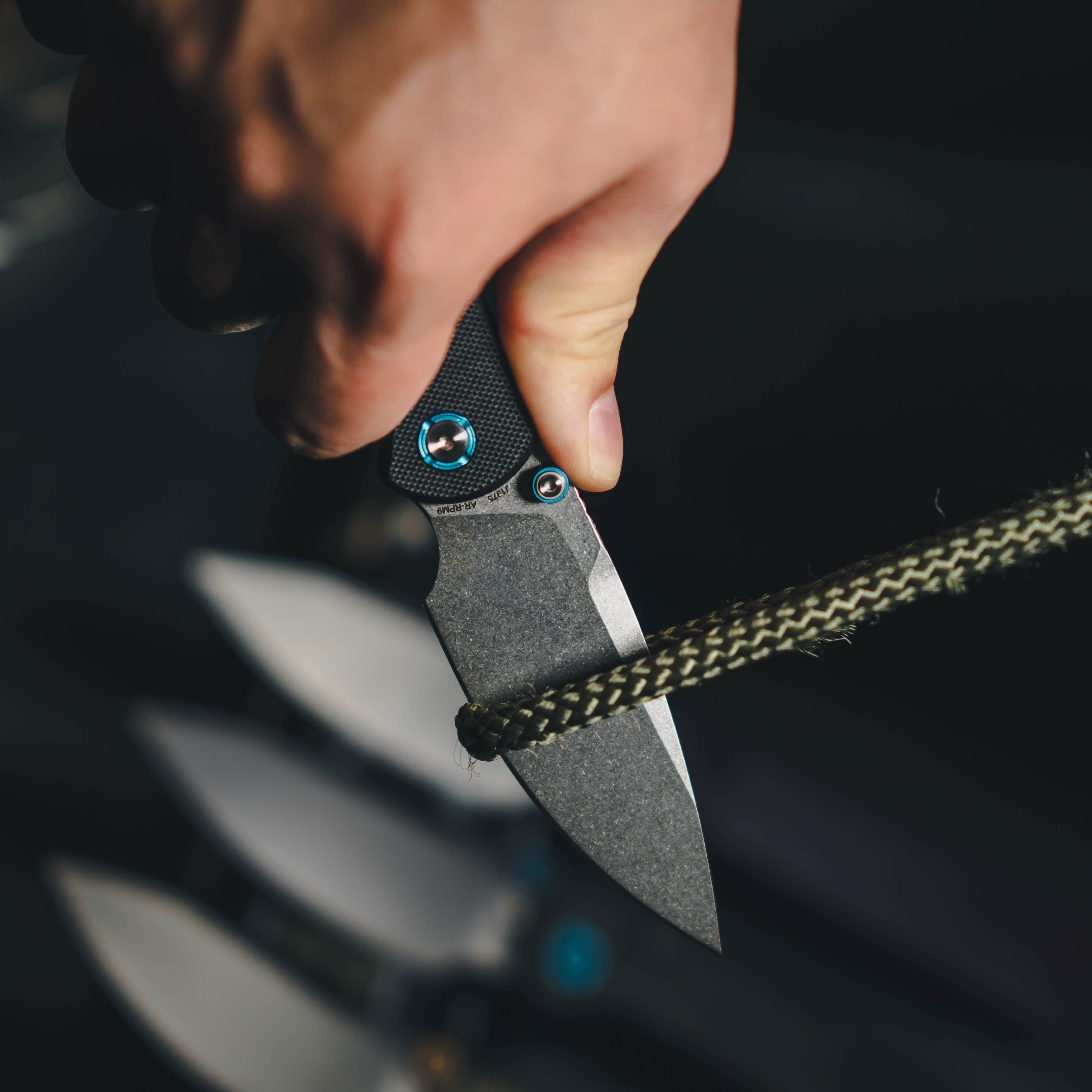
- AR-RPM9 — a powder-metallurgy budget steel that lands in the D2 performance neighbourhood while handling moisture better.
- S35VN and M390-class steels — premium stainless options for maximum edge retention and corrosion resistance, at a higher price and with more sharpening effort.
Knife steel is graded partly on the Rockwell C scale. A higher HRC generally means better edge retention but lower toughness, so the sweet spot for most factory EDC folders sits in the upper 50s to low 60s.
2. Blade Length: Check Your Local Limits First
Blade length is a legal question before it is a performance one. Many jurisdictions cap carry blades at 3 inches, while others allow 3.5 to 4 inches. Measure the blade — from the tip to the start of the handle — not the overall length, and confirm your own state or city rules before you buy.
3. Lock Type: Strength vs. Convenience
The lock is your safety system. More lock engagement usually means a stronger, more secure blade, but some designs trade a little strength for speed and fidget-friendly one-hand closing.
| Lock type | How it works | Best for |
|---|---|---|
| Liner lock | A spring-steel liner snaps behind the blade tang | Lightweight, simple, easy to maintain |
| Frame lock | The lock bar is part of the handle frame itself | Stronger lockup; common on titanium handles |
| Button lock | A button releases the lock for one-hand use | Fast, ambidextrous opening and closing |
| Crossbar / recoil lock | A spring-loaded bar engages the tang from the spine | Very strong, ambidextrous, safe closing |
| Slip joint | No lock; spring tension holds the blade open | Restricted areas and traditional designs |
4. Deployment: Flipper, Thumb Stud, or Thumb Hole
A flipper tab rockets the blade out on bearings and is the fastest method for most users. A thumb stud is simple and fully ambidextrous. A thumb hole works well with gloved hands and is easy to reverse-flick. Whichever opener you choose, the pivot matters as much as the deployment method: modern folders on caged ball bearings feel noticeably smoother than older washer-only designs.
5. Handles and Ergonomics
| Handle material | Feel | Notes |
|---|---|---|
| FRN | Light, grippy | Great value; impervious to moisture |
| G10 | Textured, tough | The EDC default; available in many colourways |
| Titanium | Premium, warm | Enables frame locks; can be anodised |
| Micarta | Warm, develops patina | Grip improves with use |
| Carbon fibre | Light, stiff | Weight savings on larger blades |
Beyond material, study the ergonomics: a forward finger choil or jimping lets you choke up for precision work and keeps your hand from sliding toward the edge under pressure.
6. Weight, Size, and the Pocket Clip
The single best predictor of whether you will actually carry a knife is weight. Anything under about 3.5 oz tends to vanish in a pocket, while a folder over 5 oz reminds you it is there. Pair a light build with a deep-carry clip so the knife sits low, stays discreet and rides tip-up.
Best EDC Knife Style by Category (2026)
| If you want... | Look for | Where to start |
|---|---|---|
| Best value | AR-RPM9 or D2, liner or button lock, G10 | CJRB collection |
| First knife | 14C28N or AR-RPM9, about a 3-inch blade, liner lock | Folding pocket knives |
| Premium carry | S35VN or M390-class steel, titanium frame lock | Artisan Cutlery |
| Light and compact | Sub-3.5 oz build, deep-carry clip | Best sellers |
How Much Should You Spend?
You do not need to spend a lot to get a genuinely capable EDC knife. Entry-level folders in AR-RPM9 or D2 cover daily cutting, while stepping up to 14C28N buys easier maintenance and premium steels such as S35VN or M390 buy longer edge life and better corrosion resistance. Set a budget that you are comfortable actually using the knife at — a tool that is too precious to use is not an everyday carry.
Where Artisan Cutlery and CJRB Fit In
Artisan Cutlery builds this entire range under one roof: Artisan Cutlery covers enthusiast designs in titanium and premium steels, while the sister brand CJRB delivers the same engineering focus at value prices. Browse the full catalogue to compare specs side by side.
A Quick Buyer's Checklist Before You Order
Once you know your criteria, use this checklist to sanity-check any folder before it lands in your cart:
- Blade length — legal where you live and long enough for your daily tasks.
- Steel and hardness — published HRC or at least a well-known steel, not mystery metal.
- Lock engagement — the lock bar should sit solidly on the tang with no vertical play.
- Action — smooth deployment with no gritty or sluggish feel.
- Blade centring — the blade should sit centred between the liners when closed.
- Handle comfort — the grip should fill your palm without hot spots.
- Clip — deep carry, tip-up, and stiff enough not to catch on a pocket seam.
- Weight — light enough that you will genuinely carry it every day.
If a knife misses more than two of these, keep looking. The best EDC is the one you stop thinking about because it simply works.
Breaking In and Caring for a New Folder
A fresh factory knife often has a slightly tight pivot and a stiff detent. Give it a week of use and it settles in; if the action stays gritty, a small drop of knife lubricant on the pivot and a very light adjustment will usually smooth it out. From there, maintenance is simple: keep the blade dry and oiled, wipe the pivot area clean, and touch up the edge on a strop every week or two rather than waiting for it to dull completely. A knife that is cleaned and lightly oiled lasts years longer than one that is abused and ignored.
Frequently Asked Questions
- What steel is best for a first EDC knife? 14C28N and AR-RPM9 are forgiving, corrosion-resistant and easy to sharpen — ideal for a first folder.
- Is a bigger blade always better? No. Check your local limit and prioritise a blade length you will actually use every day.
- Do I need a locking blade? A lock adds safety for harder use. Where the law restricts locks, a slip joint is the answer.
- How do I know if a knife will be comfortable to carry? Weight is the biggest clue — folders under roughly 3.5 oz tend to disappear in a pocket, while heavier knives often get left at home.
- What is the most common EDC lock type? The liner lock is the most widespread, followed by the frame lock and increasingly the button lock.

Leave a comment
This site is protected by hCaptcha and the hCaptcha Privacy Policy and Terms of Service apply.