

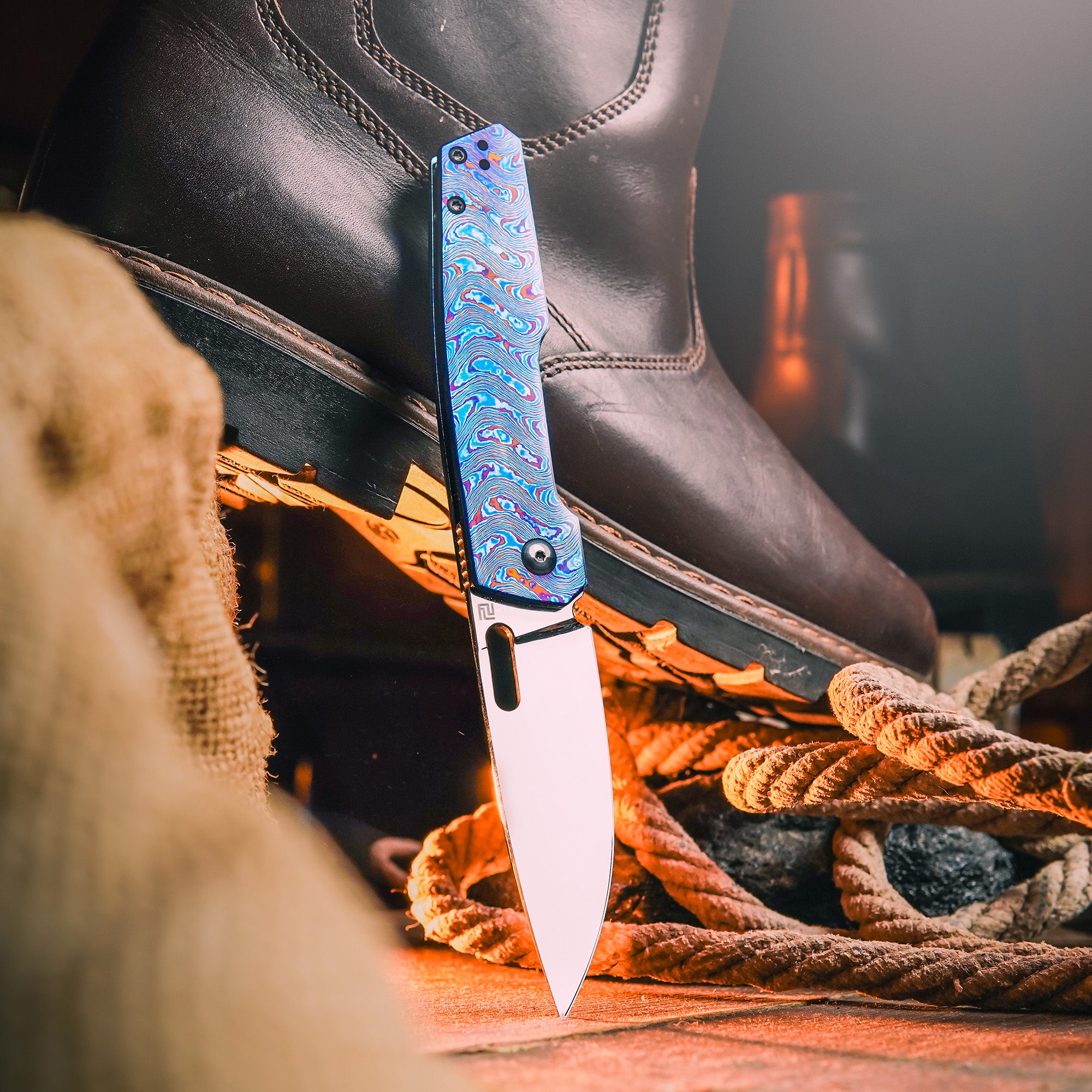
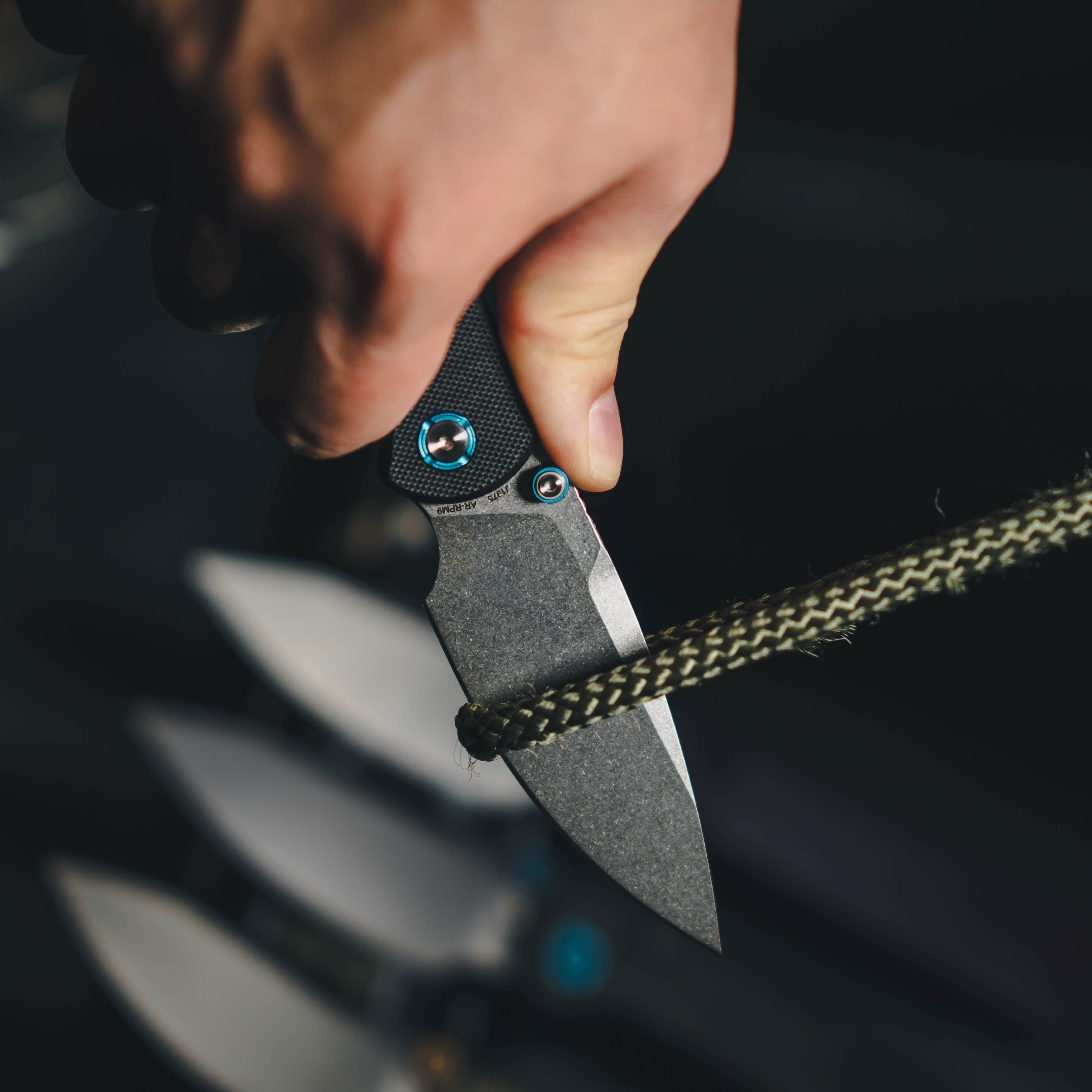

A camping knife is a tool you will reach for constantly: cutting rope, splitting small kindling, prepping meals, and carving fire sticks. Choosing it for the job — not for the photo — makes every trip easier. This camping knife guide covers blade shape, steel, handle material, and the folding versus fixed decision, with recommendations you can actually buy.
Camp carries change the rules: grip, corrosion resistance, and pack weight beat raw edge retention.

Folding vs Fixed Blade for Camp
Both formats work at a campsite; the question is how you pack and use them. A folding knife is pocketable, opens with one hand, and carries legally in more places — ideal for general camp chores and for the hike to camp. A fixed blade is tougher, easier to clean after food prep, and has no lock to fail, which matters for heavier wood work. Many campers carry one of each: a folder for daily tasks and a fixed blade for the dirty jobs.
Blade Shapes for Camp Tasks
- Drop point: the most versatile camp profile — strong tip, easy to control, good for food and general cutting.
- Tanto: a reinforced tip for prying-style work, at the cost of slicing efficiency.
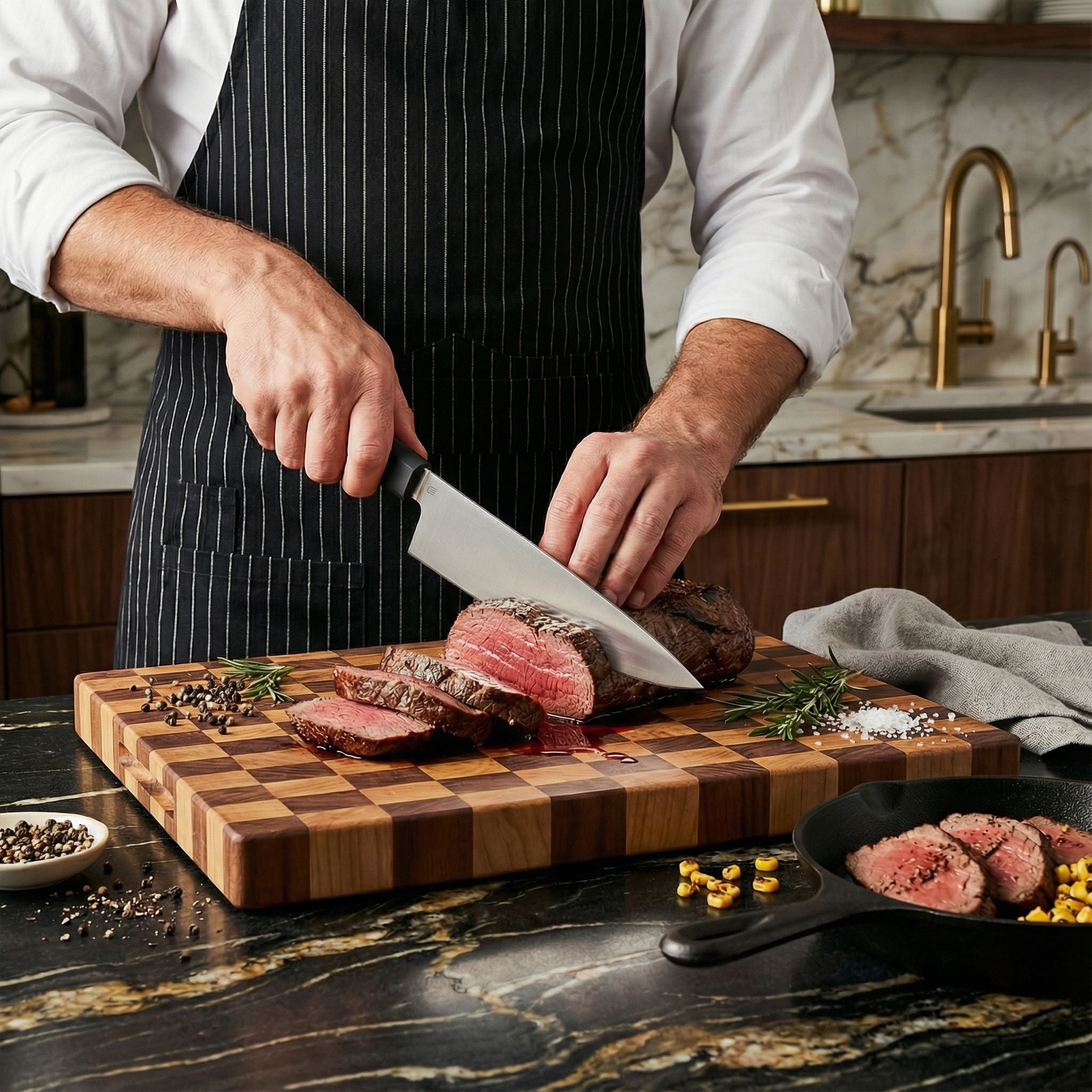
- Cleaver-style: wide belly that excels at food prep and slicing — think camp kitchen rather than bushcraft.
Steel for the Outdoors
Outdoor use means moisture: rain, dew, food juice, and sweat. That favors stainless steels over plain carbon tool steels unless you are prepared for regular oiling and patina management. For most campers, a tough stainless like S35VN offers the best balance: corrosion resistance, edge retention, and the toughness to survive trail abuse without chipping.
Handle Materials That Grip When Wet
A handle that goes slick in the rain is a safety problem. Textured G10 and micarta stay grippy when wet, and contoured titanium with good texturing works too. Avoid smooth metal or polished wood for serious camp use — grip is not a luxury feature in the outdoors.
Size and Weight
Every ounce counts when the knife rides in a pack for a full day of hiking. A lightweight folder in the 2.5-3.5 ounce range — like the Artisan Cutlery Osprey — disappears in a pocket and covers most camp tasks. If you want a bigger blade, accept the weight and carry it on your belt rather than in the pack.
What to Look For: Quick Checklist
- Corrosion-resistant steel (S35VN, M390, or similar stainless).
- Grippy handle material that performs wet.
- Four-finger grip with room for gloves.
- One-hand opening and a solid lock for folders.
- A lanyard hole for a wrist cord on camp chores.
- A pocket clip so the knife stays with you, not in the tent.
Artisan Cutlery Options for the Trail
Artisan Cutlery covers the camping spectrum. The Osprey is the lightweight pick for hikers; the Jungle — S35VN with a titanium frame lock — is a tougher all-rounder; and the Littoral or Predator give you more blade for heavier camp work. All of them are stainless and built to be carried, not displayed. See the full Artisan Cutlery collection to compare them side by side.
Camp Safety Notes
Keep the knife closed or sheathed when not in use, cut away from your body, and check local regulations before carrying — rules vary by region and by whether you are in a vehicle or on foot. A little care keeps a camping trip fun for everyone.
Find your ideal everyday carry configuration — explore the Artisan Cutlery folding knife collection for premium EDC folders built for reliable everyday carry.



Leave a comment
This site is protected by hCaptcha and the hCaptcha Privacy Policy and Terms of Service apply.