


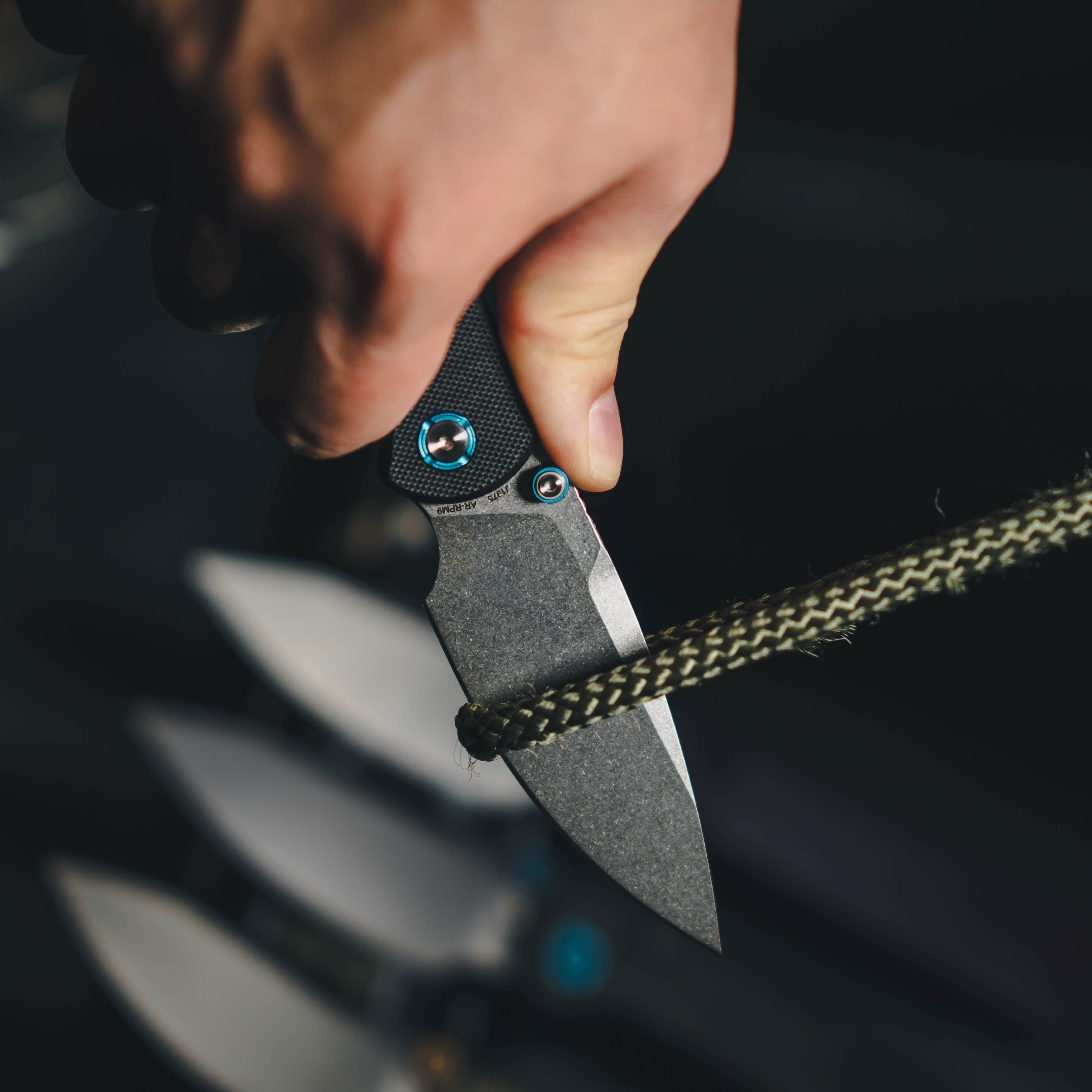

The short answer: yes, you can throw knives in the trash — but only if you prepare them safely. Dropping a loose knife into the household bin creates a serious hazard for sanitation workers, recycling sorters, and anyone handling your trash. This guide covers the right way to dispose of old knives, plus better alternatives to the landfill.

Safe knife disposal protects sanitation workers and the environment.
The Dangers of Improper Knife Disposal
Sanitation and recycling workers handle thousands of bags daily. A loose blade poking through a trash bag can cause deep cuts or puncture wounds. Beyond the immediate danger, improperly discarded knives can jam recycling equipment, causing expensive damage and delays. Responsible disposal starts with understanding why safety preparation matters.
How to Safely Throw Away a Knife
- Secure the blade: Wrap the blade in several layers of thick cardboard, then tape it securely in place. Alternatively, use a blade guard or the original sheath if available.
- Add a warning label: Write "SHARP — KNIFE" in bold marker on the outer wrapping so anyone handling the item sees the hazard.
- Use a rigid container: Place the wrapped knife inside a sturdy container — an empty metal can, a thick cardboard box taped shut, or a dedicated sharps container from a pharmacy.
- Label the container: Mark the outside clearly. This prevents accidental contact during collection and sorting.
Never place a loose knife directly into a kitchen trash bag or recycling bin. Even a small pocket knife can cause injury.
Better Alternatives to Trash Disposal
Knife Recycling Programs
Metal is infinitely recyclable. Knife blades made from stainless steel, carbon steel, or titanium can be fully reclaimed. Some metal recycling centers accept knives directly — call ahead to confirm they handle sharp objects. Remove any non-metal handle scales (G10, micarta, wood) before recycling the blade and liners.
Mail-In Knife Disposal
Several companies offer mail-in knife disposal services. You package the knife securely, send it to their facility, and they handle safe dismantling and recycling. Some knife manufacturers also accept returns of their own products for proper disposal — check the brand's website for any take-back programs.
Donation and Repurposing
A dull or damaged knife can often find a second life:
- Sharpening services: Many hardware stores offer sharpening for a few dollars — what seems beyond use may be restorable.
- Blade blank repurposing: A stripped blade can be made into a shop tool, scraper, or craft project.
- Donation: Some vocational training programs accept used knives for sharpening practice. Always ask first.
What NOT to Do
- Don't place loose knives in any recycling bin — they contaminate the stream and endanger sorters
- Don't try to snap or break a blade — knife steel is hardened and can shatter dangerously
- Don't use thin plastic bags as wrapping — a blade can cut through easily
- Don't conceal a knife in packaging without labeling it — this creates a hidden hazard
When Disposal Is Necessary
Some knives genuinely cannot be saved: blades with severe rust pitting, cracked or chipped edges near the ricasso, stripped pivot screws on budget models where repair costs exceed replacement value, or knives with broken frames. For those, follow the safe wrapping process above. For quality knives worth keeping, Artisan Cutlery's folding collection shows what a well-built, long-lasting EDC knife looks like.
Final Verdict: Throw Out or Recycle?
Recycling is almost always the better choice. Knife steel is valuable scrap metal, and responsible recycling keeps dangerous sharp objects out of the general waste stream. But if recycling isn't available in your area, safe trash disposal with proper wrapping is the fallback. Either way, a few minutes of preparation protects the people who handle your waste.


Leave a comment
This site is protected by hCaptcha and the hCaptcha Privacy Policy and Terms of Service apply.