


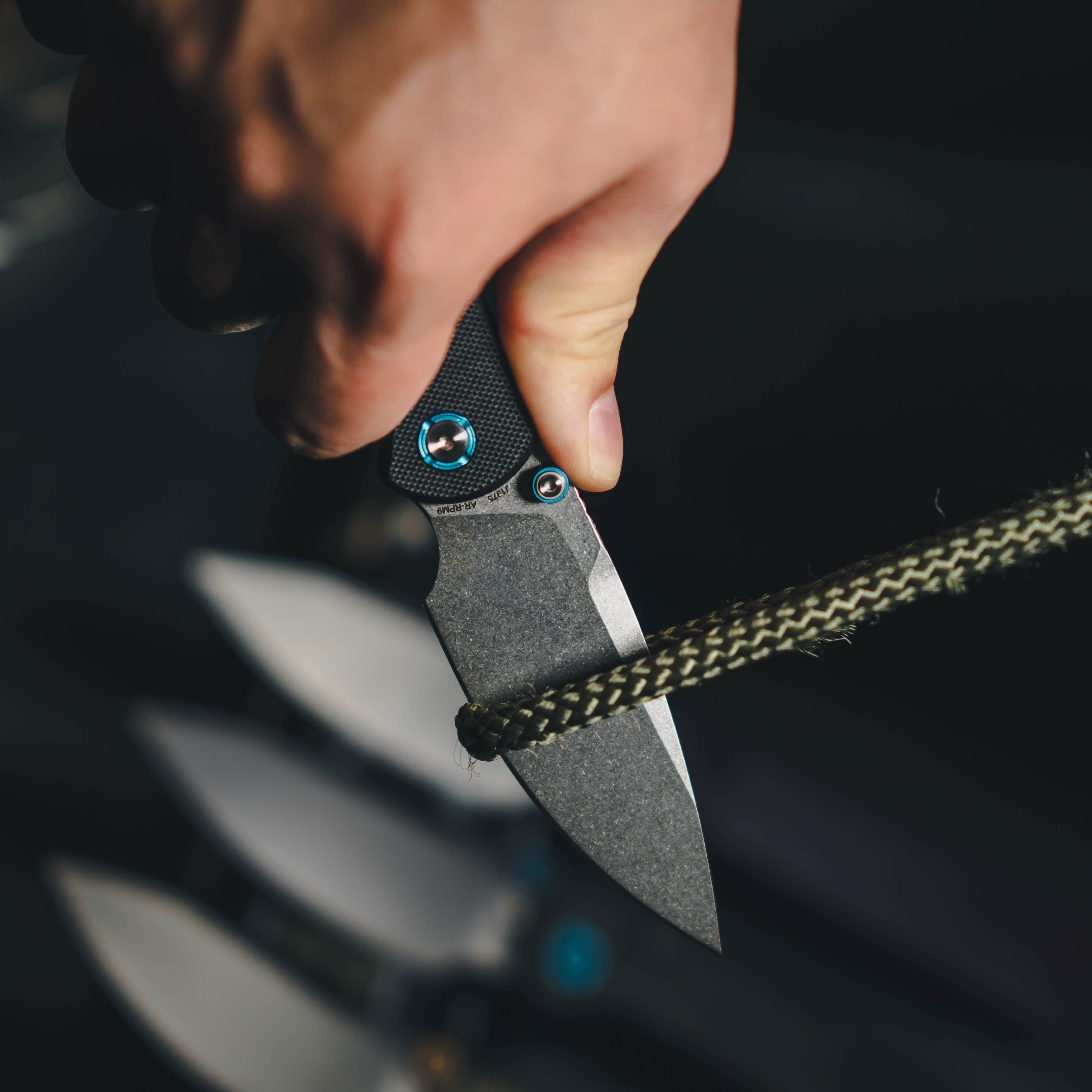

Carbon fiber has become one of the most sought-after handle materials in premium folding knives. Known for its distinctive woven appearance, exceptional strength-to-weight ratio, and high-performance pedigree, carbon fiber brings a blend of form and function that few materials can match. This guide covers everything you need to know about carbon fiber as a knife handle material — from manufacturing methods to daily care.
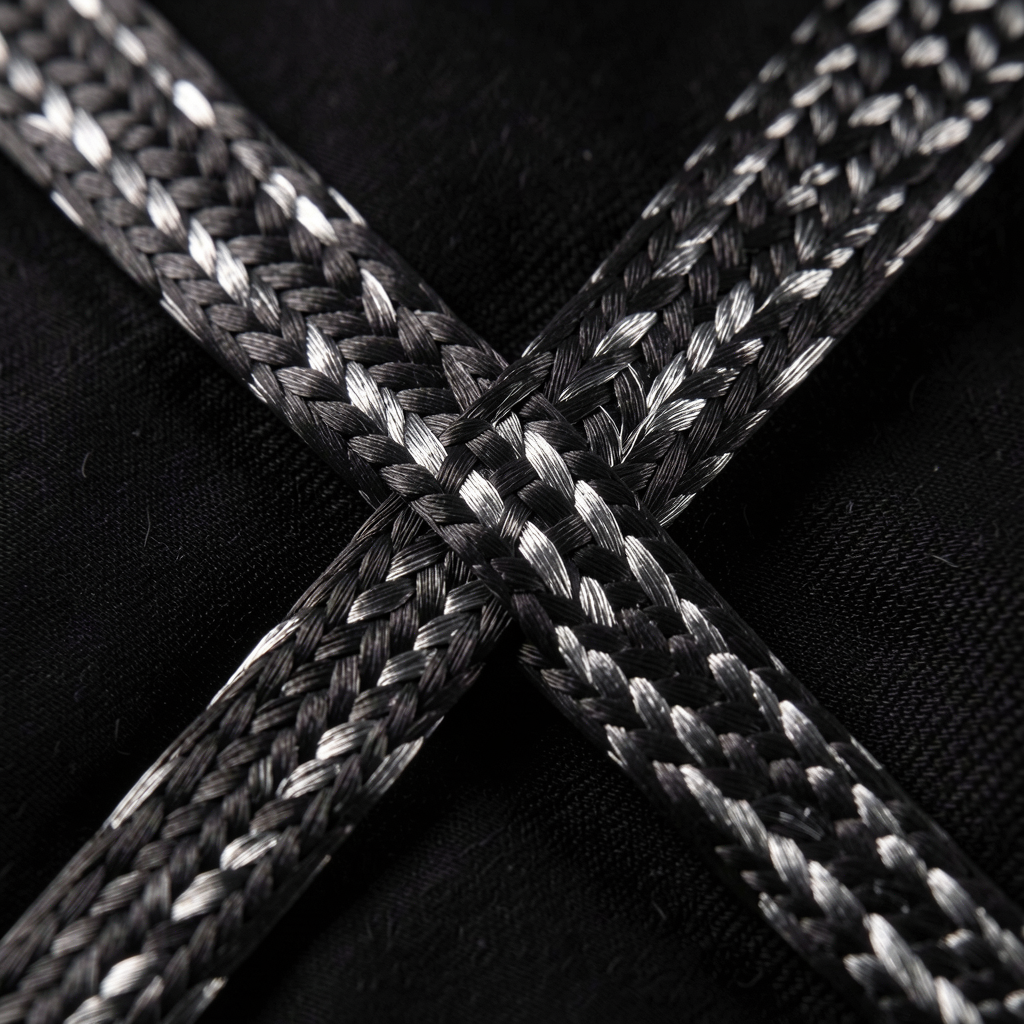
Carbon fiber offers exceptional strength-to-weight ratio for premium knife handles.
What Is Carbon Fiber?
Carbon fiber is a material consisting of thin, strong crystalline filaments of carbon. These filaments are woven into a fabric, then bonded with an epoxy resin to create a rigid composite. The result is an exceptionally lightweight material with tensile strength that rivals steel, despite weighing a fraction as much.
The aerospace and motorsport industries have used carbon fiber for decades in applications where every gram matters. Its adoption in knife handles was a natural progression, offering knife makers a material that is simultaneously light, strong, and visually striking.
Weave Patterns and Aesthetics
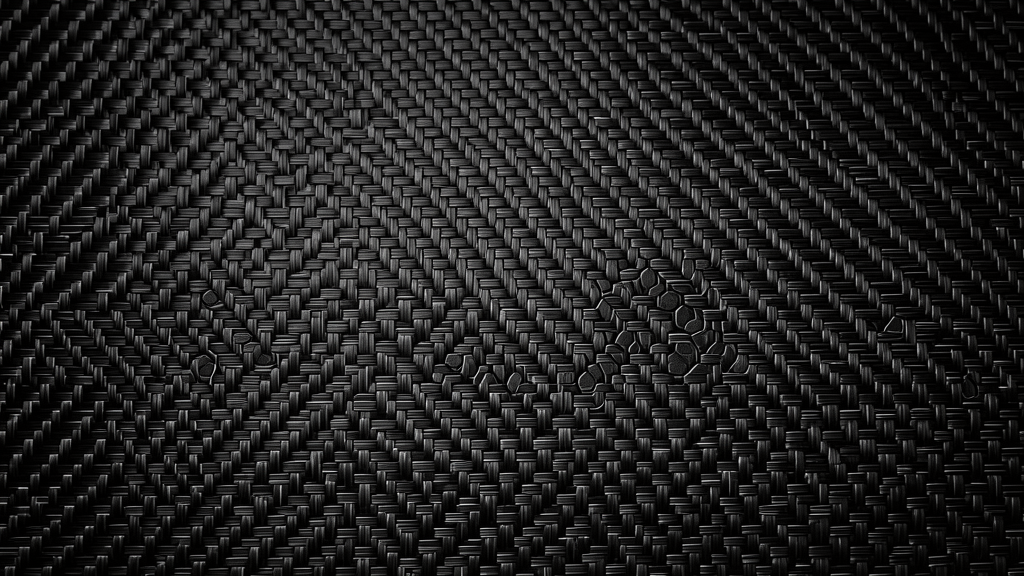
The visual appeal of carbon fiber comes primarily from its weave pattern. Different weaves create different looks, and manufacturers often select patterns that complement their design language.
- Plain Weave (1×1): The classic checkerboard pattern. Fibers alternate over and under each other, creating a balanced, symmetrical look.
- Twill Weave (2×2): Fibers pass over two and under two, producing a diagonal herringbone appearance. This is the most common pattern in knife handles.
- Harness Satin Weave: A smoother finish with longer fiber floats, giving a more uniform appearance with less texture.
- Unidirectional: All fibers run in a single direction. Maximizes strength in one axis but lacks the classic woven look.
Some manufacturers also use forged carbon fiber, where short chopped fibers are compressed in a mold to create a unique marbled pattern. Each piece of forged carbon fiber has a completely different appearance, much like natural materials.
Weight Comparison
The primary advantage of carbon fiber is its weight. A carbon fiber handle scale weighs roughly 40–60% less than a titanium scale of the same dimensions and around 30% less than G10.
| Handle Material | Relative Weight (same volume) | Strength | Typical Use |
|---|---|---|---|
| Carbon Fiber | Very Light | Excellent | Premium EDC, weight-conscious carry |
| Titanium | Moderate | Excellent | Frame lock knives, heavy use |
| G10 | Light | Very Good | Budget to mid-range EDC |
| Micarta | Moderate | Good | Traditional and work knives |
| Aluminum | Light | Good | Lightweight budget folders |
Durability and Practical Considerations
Carbon fiber is strong but not indestructible. Here is what you need to know about its durability in daily use:
- Impact resistance: Carbon fiber handles can crack or chip under hard impacts, especially along thin edges. However, a well-designed handle scale is thick enough to handle normal EDC drops and bumps.
- Scratch resistance: The epoxy surface can develop micro-scratches over time. Some users appreciate this as a sign of use, while others prefer the pristine look — the choice is yours.
- Temperature: Carbon fiber does not get cold in winter or hot in summer the way metal handles can, making it comfortable in all climates.
- UV sensitivity: Prolonged direct sunlight can degrade the epoxy over years. This is rarely an issue for pocket knives but worth noting for long-term storage.
Caring for Carbon Fiber Handles
Carbon fiber requires minimal maintenance, which is part of its appeal. Follow these simple guidelines to keep your handles looking their best:
- Clean with mild soap and water: A soft cloth with a tiny amount of dish soap is all you need. Rinse and dry thoroughly.
- Avoid solvents: Acetone, alcohol, and strong cleaners can attack the epoxy resin. Stick to mild soap.
- Do not use abrasive pads: Scotch-Brite pads or steel wool will scratch and dull the glossy surface.
- Store away from direct sunlight: If you have a knife with carbon fiber handles that you plan to store long-term, keep it in a drawer or case.
- Apply wax sparingly: A thin coat of carnauba wax or furniture wax can restore shine if the surface becomes dull, but this is purely cosmetic.
Is Carbon Fiber Right for Your EDC?
Carbon fiber is an excellent choice if you prioritize lightweight carry and enjoy modern, technical aesthetics. It is particularly well-suited to pocket knives that live in a pocket or bag for extended periods, where every ounce of weight savings matters. For hard-use knives that may be subjected to prying, batoning, or heavy impact, G10 or titanium may be more practical choices.
For those interested in experiencing carbon fiber in a well-executed folding knife, Artisan Cutlery offers models with carbon fiber handle options that showcase the material's weight savings and aesthetic appeal in thoughtfully designed EDC platforms.
For more on composite materials, see the Wikipedia article on carbon fiber.


Leave a comment
This site is protected by hCaptcha and the hCaptcha Privacy Policy and Terms of Service apply.