



One of the most fundamental choices in knife selection is carbon steel versus stainless steel. Each category has passionate advocates, and for good reason — both offer distinct advantages depending on how you use your knife. This guide breaks down the real differences between carbon steel and stainless steel for EDC pocket knives, helping you choose what fits your carry style.
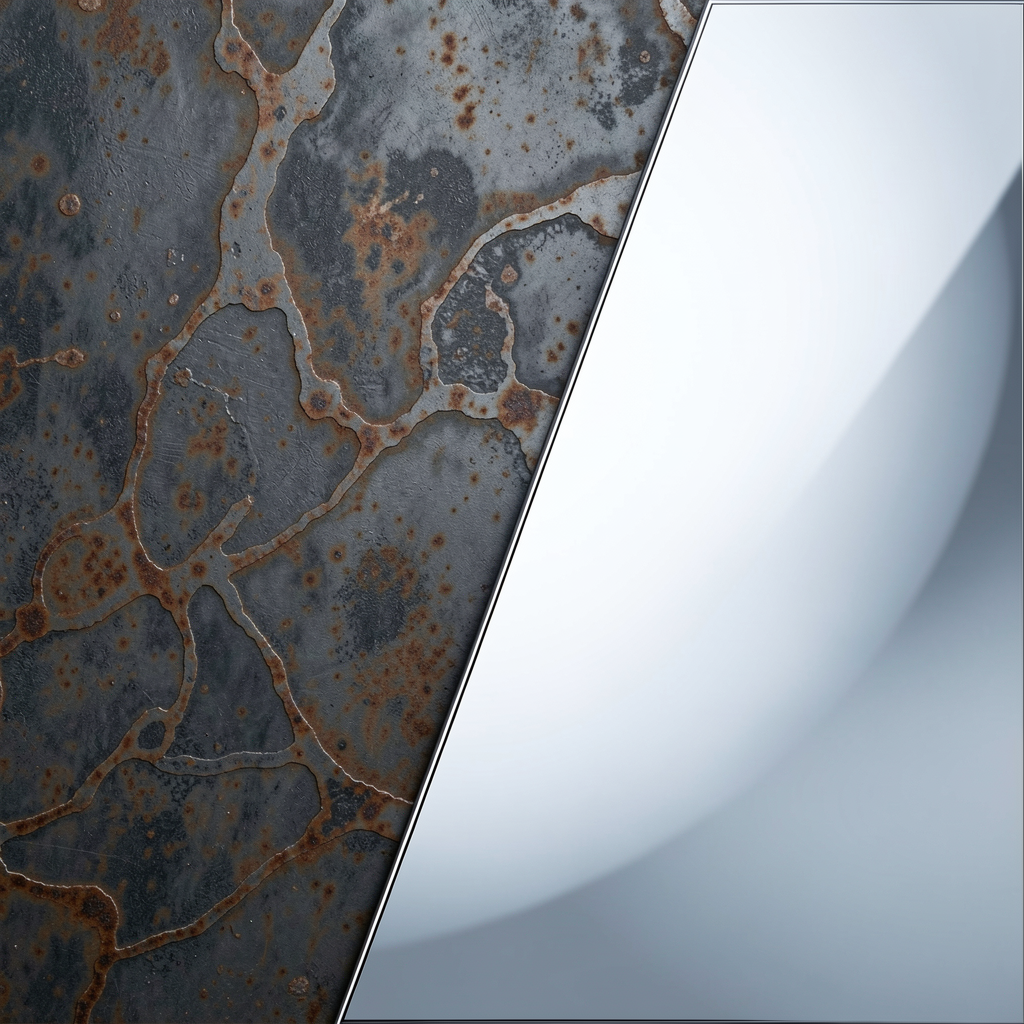
The choice between carbon steel and stainless steel affects edge retention, maintenance, and everyday usability.
The Core Difference
The defining distinction is chromium content. Stainless steels contain at least 10.5-13% chromium, which forms a passive oxide layer that resists corrosion. Carbon steels contain minimal chromium, making them more vulnerable to rust but offering advantages in edge retention and sharpening ease. Everything else — hardness, toughness, edge geometry — stems from how the steel is formulated and heat-treated.
Carbon Steel Pros and Cons
Pros
- Edge retention per dollar: Simple carbon steels like 1095 and 1075 can achieve excellent edge retention at lower cost than many stainless options
- Ease of sharpening: Carbon steel typically forms a burr faster and takes a keen edge with less effort on stones or strop
- Patina development: Many users appreciate the natural patina that forms over time, giving each knife a unique character
- Toughness: Many carbon steels are inherently tougher than their stainless counterparts at equivalent hardness
- Edge stability: Carbon steels can be heat-treated to very fine edge geometries without chipping
Cons
- Corrosion vulnerability: Carbon steel rusts readily when exposed to moisture, acidic foods, or even sweaty hands
- Maintenance demand: Requires regular oiling, drying, and attention to prevent rust, especially in humid environments
- Reactive with food: Can impart metallic taste when cutting acidic fruits or vegetables
- Staining: Develops dark patina from use, which some dislike on a pocket knife
Stainless Steel Pros and Cons
Pros
- Corrosion resistance: Modern stainless steels like 14C28N, S35VN, and M390 resist rust even with minimal care
- Low maintenance: Wipe dry after use and store — no oiling required for most modern stainless steels
- Food-safe: Won't react with acidic foods or impart metallic taste, making stainless ideal for food prep
- Consistent appearance: Maintains its finish without patina or discoloration over time
- Wide range: Modern powder metallurgy stainless steels offer exceptional edge retention for premium knives
Cons
- Harder to sharpen: High-hardness stainless steels like M390 and S90V require diamond abrasives and patience
- Cost: Premium stainless steels significantly increase knife prices
- Potential brittleness: Very hard stainless steels can chip if used for prying or heavy-duty cutting
- Burr management: Some stainless steels form a stubborn burr during sharpening that requires careful removal
Carbon Steel vs Stainless: Side by Side
| Property | Carbon Steel | Stainless Steel |
|---|---|---|
| Corrosion Resistance | Low — rusts easily | High — resists rust |
| Sharpening Ease | Easy to sharpen | Ranges from easy to difficult |
| Edge Retention | Good for the price | Ranges from good to excellent |
| Toughness | Generally high | Varies by formulation |
| Maintenance | Regular oiling needed | Minimal required |
| Cost | Generally lower | Higher for premium grades |
Which Should You Choose for EDC?
For most everyday carry users, a good stainless steel is the practical choice. The reason is simple: EDC knives see daily exposure to humidity, pocket lint, hand sweat, and occasional food contact — all of which challenge carbon steel. A well-made stainless knife in 14C28N, S35VN, or similar requires almost no maintenance beyond wiping it clean.
Choose carbon steel if you enjoy the ritual of knife care, appreciate the character of patina development, or want the sharpening responsiveness that carbon offers. Many traditional slip joints and bushcraft knives still use carbon steel for these reasons. But for a modern EDC folder that you want to rely on without fuss, stainless steel is the sensible default.
Final Thoughts
The carbon steel vs stainless steel debate ultimately comes down to your priorities. Neither is universally better — they serve different preferences and use cases. Modern stainless steels have narrowed the performance gap significantly, making them the dominant choice in production EDC knives, but carbon steel remains beloved by traditionalists and those who value ease of sharpening above all else.
Browse the Artisan Cutlery catalog to explore folding knives in a range of steel types built for reliable everyday carry.


Leave a comment
This site is protected by hCaptcha and the hCaptcha Privacy Policy and Terms of Service apply.