
When shopping for an everyday carry folding knife under $100, you will encounter three steel names more than any others: D2, 14C28N, and AR-RPM9. These budget tool steels dominate the entry-level and mid-range EDC market, yet they could not be more different in their chemistry and performance characteristics. Understanding these differences helps you choose the right knife for your specific carry needs rather than simply defaulting to the most popular option.
Cross-section comparison of D2, 14C28N, and AR-RPM9 budget steel chemistries.
This comparison covers edge retention, toughness, corrosion resistance, and sharpenability for D2 knife steel, 14C28N stainless, and AR-RPM9 powder metallurgy steel.
D2 Tool Steel: The High-Carbon Workhorse
D2 is a high-carbon, high-chromium tool steel that has been a staple of the knife industry for decades. Despite common misconceptions, D2 is not true stainless steel — its 11–13% chromium content falls just short of the 13% threshold typically considered stainless, though it offers enough chromium for meaningful stain resistance.
- Edge retention: Excellent for a budget steel. D2 holds an edge significantly longer than 440C or 8Cr13MoV.
- Toughness: Moderate. D2 can be somewhat brittle under heavy impact due to its large carbide structure.
- Corrosion resistance: Moderate. D2 can develop surface rust if neglected, especially in humid conditions.
- Sharpenability: Moderate. The large chromium carbides make D2 more difficult to sharpen than simpler stainless steels.
D2 is an excellent choice for EDC users who prioritize edge retention and cut through cardboard, tape, and rope frequently, and who are comfortable with basic knife maintenance. As noted by metallurgy resources like Knife Steel Nerds, D2's large carbide volume gives it strong wear resistance at the cost of some toughness.
14C28N Stainless Steel: The Tough All-Rounder
Sandvik 14C28N is a nitrogen-enhanced stainless steel developed in Sweden. It was originally created for industrial cutting applications before being adopted by the knife industry for its exceptional balance of properties.
- Edge retention: Good, but slightly below D2 in most cutting tests. The finer grain structure means less aggressive initial sharpness retention.
- Toughness: Excellent. 14C28N is significantly tougher than D2 and can handle lateral stress and impact without chipping.
- Corrosion resistance: Very good. The nitrogen addition enhances pitting resistance beyond what chromium alone provides.
- Sharpenability: Very easy. 14C28N produces a fine, consistent burr and sharpens quickly on any medium.
14C28N is ideal for users who need a tough, corrosion-resistant blade that is easy to maintain. It performs well in wet environments and is forgiving of less frequent sharpening. The Science of Sharp blog has documented how 14C28N's fine carbide distribution contributes to its excellent sharpenability.
AR-RPM9: The Powder Metallurgy Budget Steel
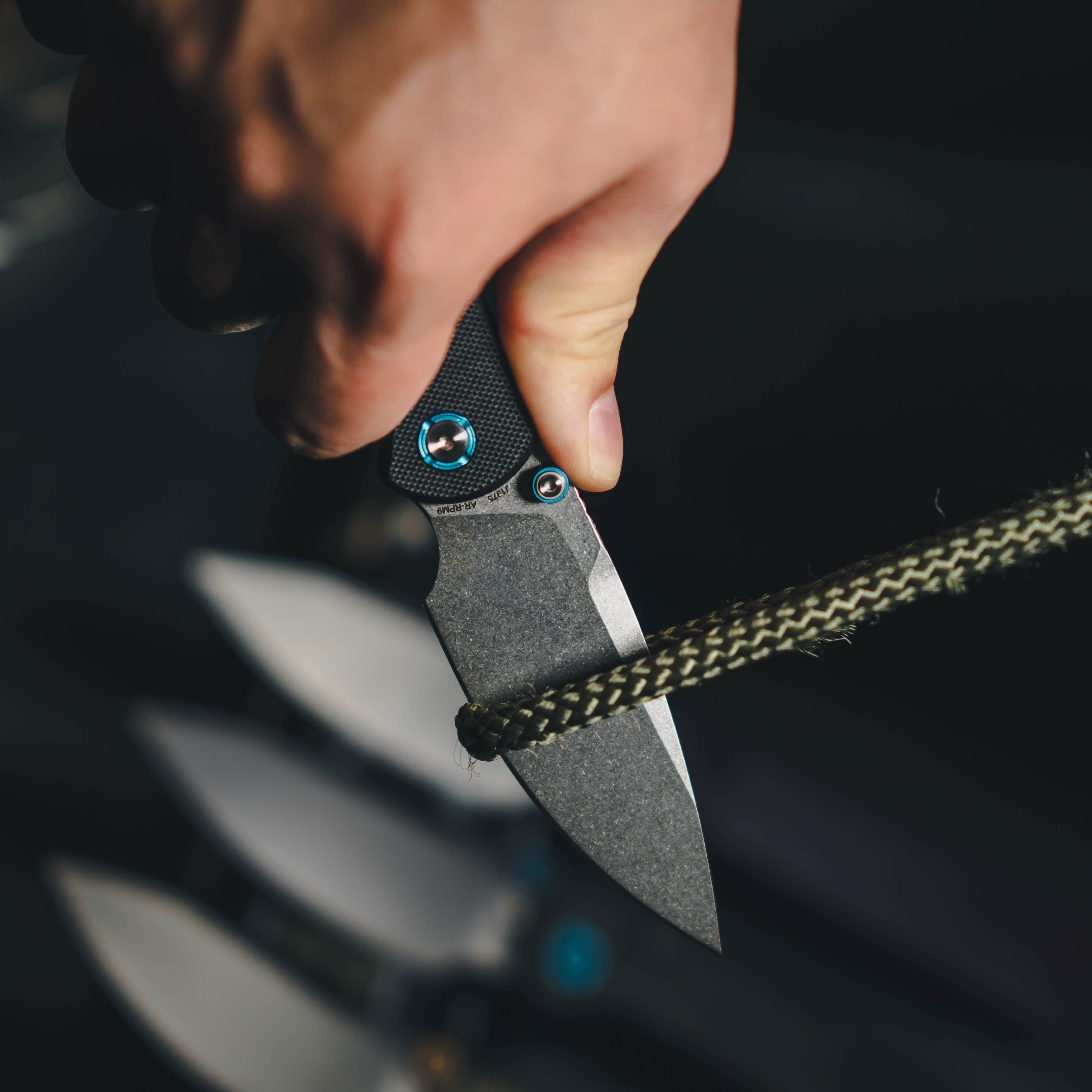
AR-RPM9 is a powder metallurgy (PM) steel developed specifically for the budget knife market by Artisan Cutlery and CJRB. It brings PM technology — traditionally reserved for premium steels like M390 — to an accessible price point.
- Edge retention: Comparable to D2, sometimes slightly better due to the uniform carbide distribution from the PM process.
- Toughness: Better than D2. The PM process creates smaller, more evenly distributed carbides, reducing stress concentration points.
- Corrosion resistance: Moderate, similar to D2. It is not classified as stainless but offers acceptable stain resistance with basic care.
- Sharpenability: Better than D2. The fine, uniform carbide structure takes a sharper edge more easily.
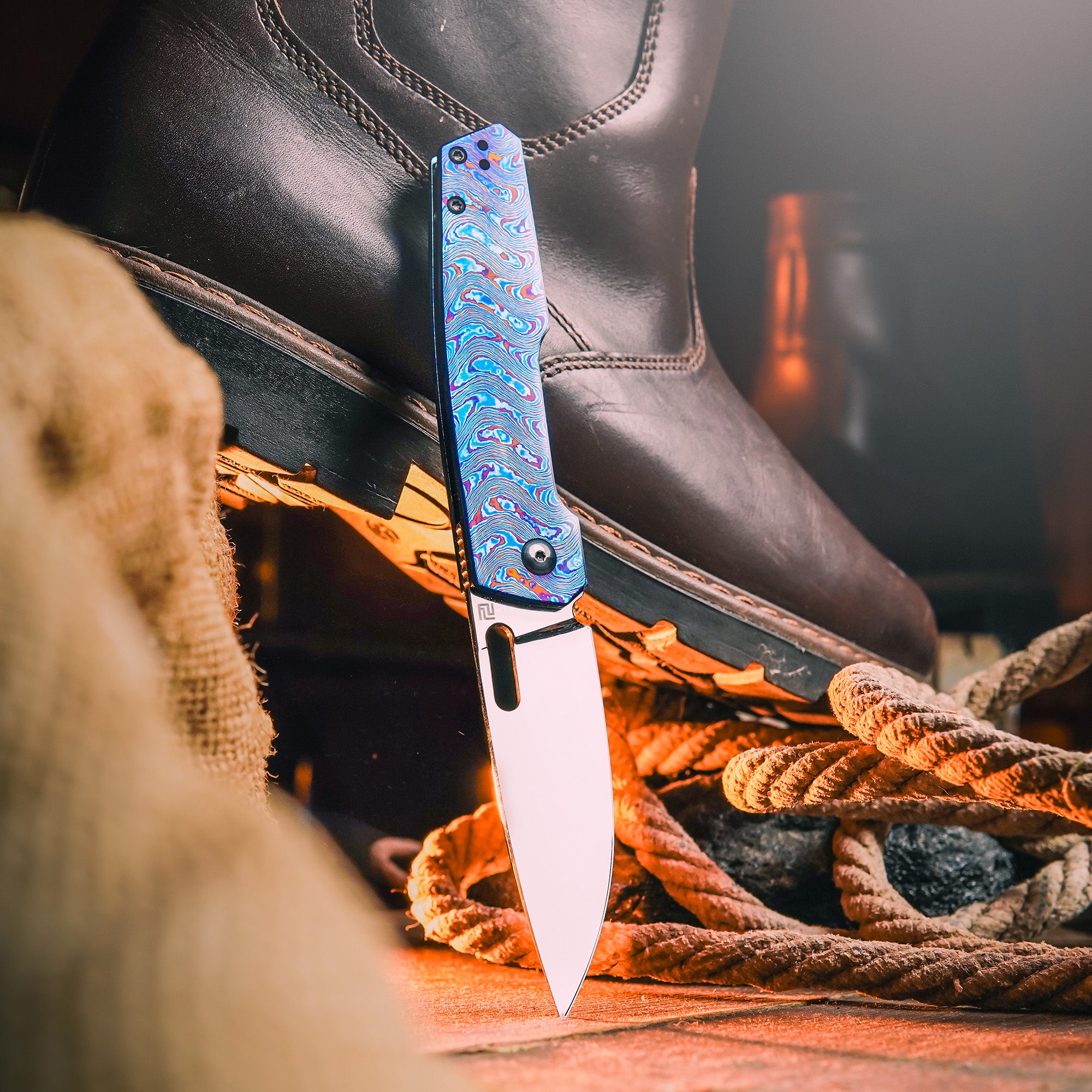
AR-RPM9 represents a genuine innovation in budget knife steel. It offers D2-class edge retention with improved toughness and easier sharpening, all at an entry-level price point. Many Artisan Cutlery models feature AR-RPM9 blades, which you can explore in the Artisan Cutlery product lineup.
Side-by-Side Comparison Table
| Property | D2 | 14C28N | AR-RPM9 |
|---|---|---|---|
| Steel Type | Tool steel | Stainless (nitrogen) | PM tool steel |
| Edge Retention | Very good | Good | Very good |
| Toughness | Moderate | Excellent | Good |
| Corrosion Resistance | Moderate | Very good | Moderate |
| Sharpenability | Moderate | Easy | Fairly easy |
| Price Class | Budget | Budget | Budget |
| Best For | High-volume cutting | Wet/tough environments | All-around EDC |
Which Should You Choose?
Your choice between D2, 14C28N, and AR-RPM9 depends on your cutting environment and maintenance habits:
- Choose D2 if you prioritize maximum edge retention and are comfortable with occasional oiling and basic maintenance. D2 excels in dry environments with high-volume cutting tasks.
- Choose 14C28N if you work in humid or wet conditions, or if you want a steel that is nearly impossible to chip and easy to sharpen to a razor edge.
- Choose AR-RPM9 if you want the best overall balance — D2-level edge retention with improved toughness and easier sharpening. It is the most forgiving all-rounder of the three.
For a broader perspective on knife steel selection, including premium options like S35VN and M390, see our complete knife steel comparison guide. Understanding these budget tool steels is the first step toward making informed EDC purchase decisions.


Leave a comment
This site is protected by hCaptcha and the hCaptcha Privacy Policy and Terms of Service apply.