

What Is a Dagger Blade?
A dagger blade is characterized by its symmetrical, double-edged design — both sides of the blade are sharpened to a central point. Historically used as a thrusting weapon, the dagger blade shape has evolved into modern pocket knife designs that retain its distinctive profile. In folding knives, the dagger grind offers excellent piercing capability and a visually striking silhouette that appeals to collectors and EDC enthusiasts alike.
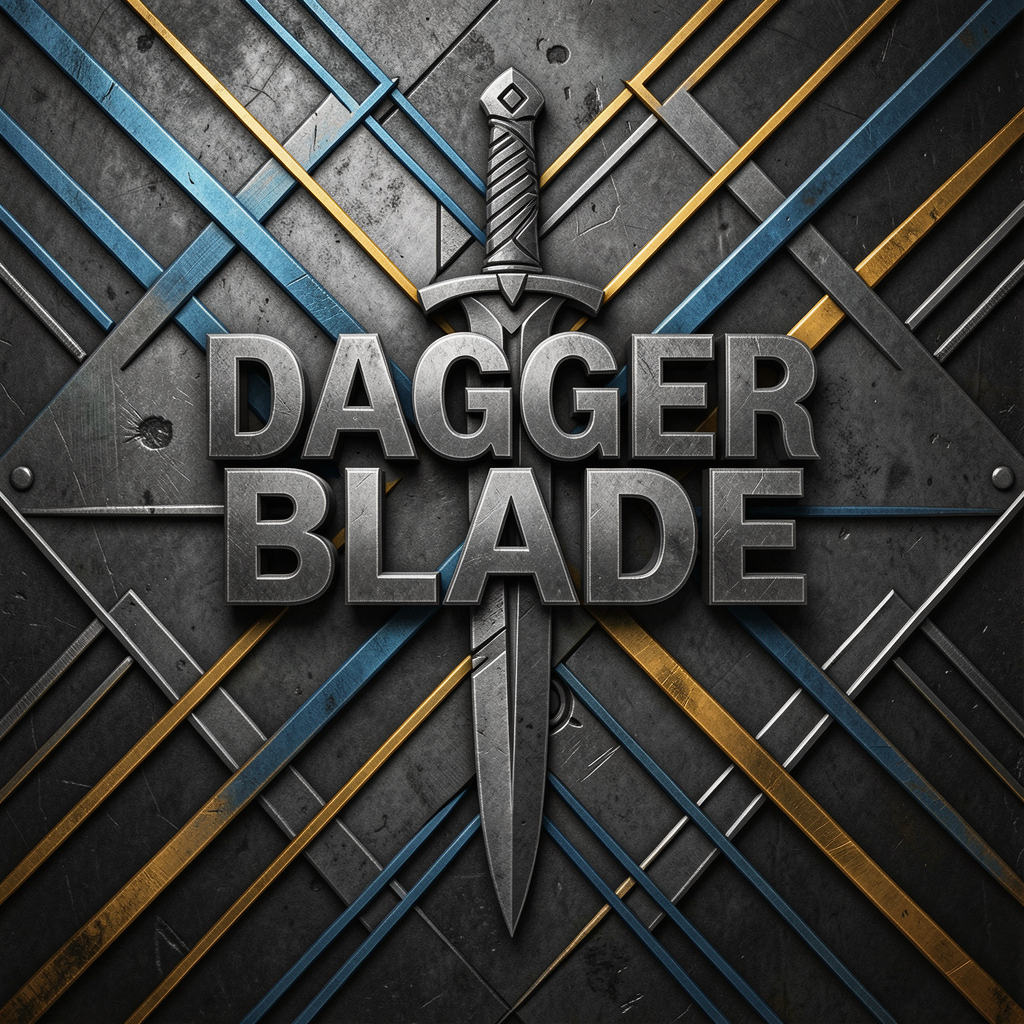
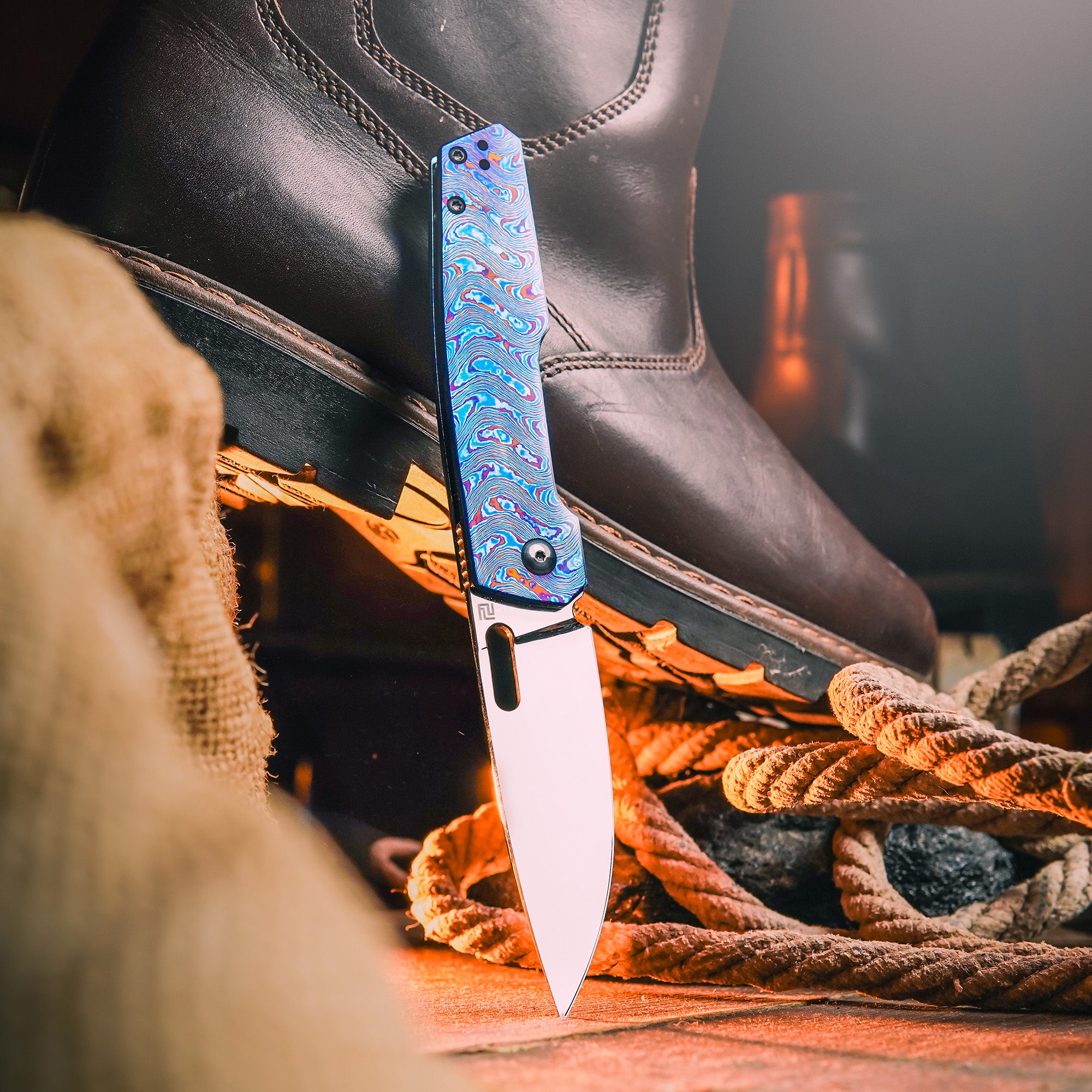
The symmetrical dagger grind — precision piercing meets classic design.
The defining feature of a dagger blade is its symmetry. Unlike a single-edged blade where the spine is unsharpened, a dagger blade's center line runs exactly down the middle, creating two evenly ground bevels. This symmetry makes the blade exceptionally balanced for precision cutting and piercing tasks.
History of the Dagger Knife
The dagger has ancient origins, dating back to the Bronze Age when early smiths crafted double-edged blades from bronze and later iron. Throughout medieval Europe, the dagger served as a secondary weapon for knights and soldiers. The dagger evolved through countless cultural variations — from the Scottish dirk to the Renaissance stiletto. Today, the dagger's functional geometry has been adapted for modern folding knife designs, bringing its legendary piercing capability into a compact EDC format.
Dagger Grind vs Other Blade Grinds
Understanding how the dagger grind compares to other common blade grinds helps in choosing the right knife for your needs:
| Grind Type | Edge Geometry | Best For | Thickness |
|---|---|---|---|
| Dagger Grind | Double-edged, symmetrical | Piercing, precision cuts | Medium |
| Flat Grind | Single edge, full flat | General slicing | Medium-thin |
| Hollow Grind | Single edge, concave | Razor-sharp slicing | Thin |
| Saber Grind | Single edge, angled bevel | Heavy-duty cutting | Thick |
| Scandi Grind | Single edge, zero bevel | Wood carving | Medium |
Dagger Blade Designs in Modern Folding Knives
Modern folding knives incorporate dagger-style geometry in several ways. Some feature a full double-edged dagger blade, while others use a dagger-like grind on a single-edged blade for enhanced piercing. Common variations include the true dagger (both edges sharpened) and the mock dagger (one edge sharpened, the other acting as a false edge or swedge). The latter is more practical for legal carry in many jurisdictions.
Dagger blade pocket knives typically feature a spear-point or needle-point tip, optimized for penetration. The symmetrical grind also makes the blade visually striking, which is why dagger-inspired designs remain popular among knife enthusiasts who appreciate both form and function.
Key Considerations for EDC
- Legal Compliance: Double-edged blades face restrictions in many areas. Always check local knife laws before carrying a true dagger-blade folder.
- Cutting Performance: Dagger blades excel at piercing but may not slice as efficiently as a flat-ground blade. Consider your primary EDC tasks.
- Sharpening: Maintaining a symmetrical double bevel requires more skill than sharpening a single-edged blade.
- Handle Design: A well-designed handle with secure ergonomics is critical for controlling a dagger blade's precise point.
For a wide selection of folding knives across multiple blade shapes and lock types, explore the Artisan Cutlery folding pocket knife collection. Whether you prefer a classic drop point or a tactical dagger-inspired profile, there's a design for every carry style.

Leave a comment
This site is protected by hCaptcha and the hCaptcha Privacy Policy and Terms of Service apply.