


When choosing a dagger-style folding knife for everyday carry, one of the most important yet often overlooked details is blade geometry. Two common dagger blade profiles dominate the market: the needle point and the spear point. Each brings distinct advantages in tip strength, penetration ability, and practical utility. Understanding these differences helps you select the right EDC dagger for your specific carry needs.
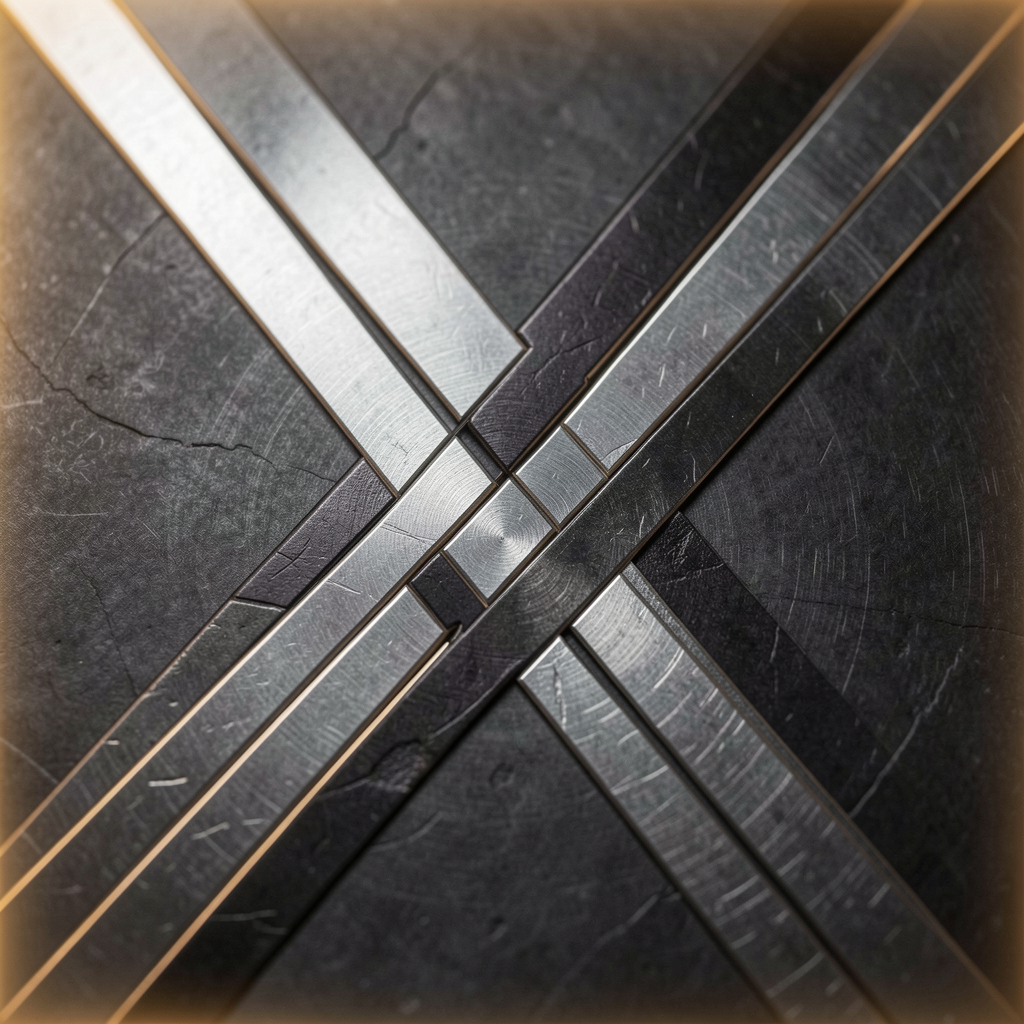
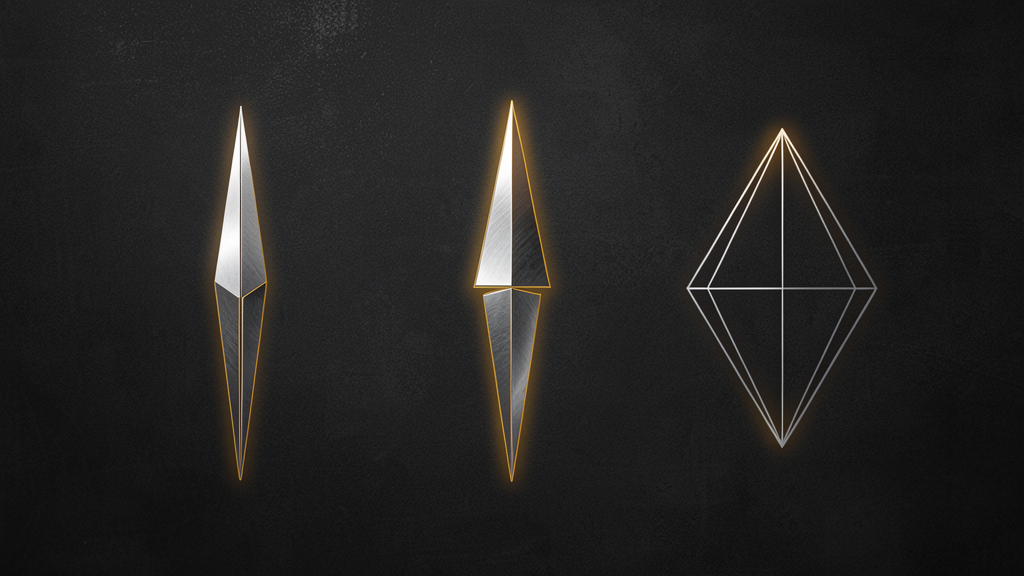
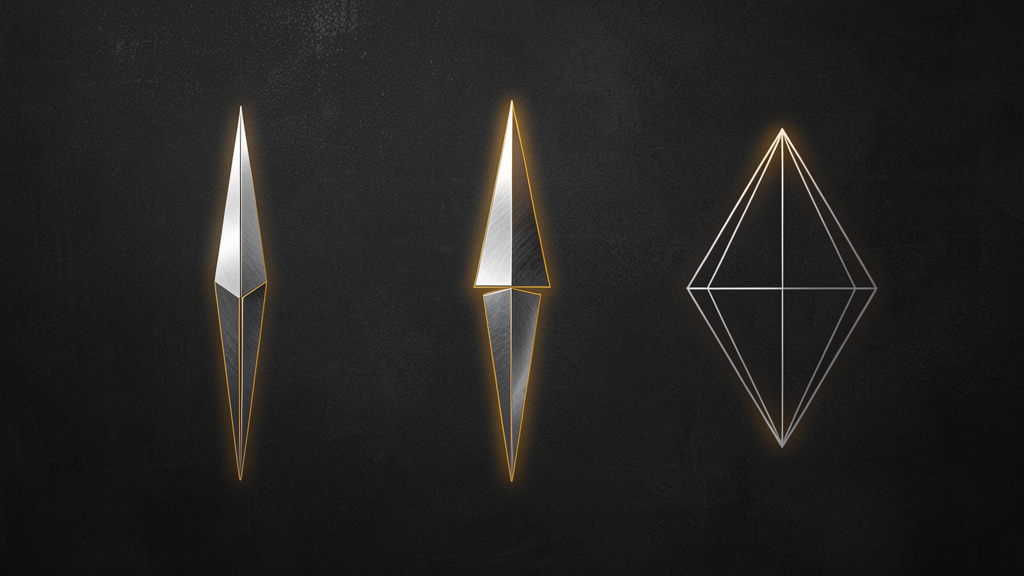
Dagger blade profiles compared: needle point (narrow profile) vs spear point (reinforced tip) cross-sections.
What Defines Dagger Blade Geometry
Dagger blades are defined by their symmetrical double-edged design, but within that category, the cross-sectional shape and tip profile vary significantly. The three primary geometries found in modern folding daggers are the needle point, the spear point, and the diamond cross-section. Each affects how the blade performs in cutting, piercing, and general utility tasks.
Needle Point Dagger Blades
Needle point daggers feature a long, narrow taper that comes to an extremely acute tip. The blade cross-section is typically a thin diamond, with both edges meeting at a fine point. This design prioritizes penetration above all else.
- Tip strength: Low to moderate — the fine tip is prone to snapping under lateral stress
- Penetration: Excellent — the narrow profile slides through materials with minimal resistance
- Edge geometry: Acute edge angles for aggressive cutting performance
- Best for: Precision piercing tasks where controlled insertion matters more than prying
- Common in: Thin dress-style daggers and collectible folding daggers
Spear Point Dagger Blades
Spear point daggers have a broader profile with the tip aligned with the blade's centerline. The blade swells toward the middle before tapering to a reinforced tip. This makes spear points significantly stronger at the tip than needle points while maintaining good piercing capability.
- Tip strength: High — the reinforced tip can handle incidental prying and light poking
- Penetration: Good — still effective for piercing, but requires slightly more force due to the wider profile
- Edge geometry: More robust edge angles that withstand harder use
- Best for: General EDC tasks where the blade may encounter tough materials
- Common in: Tactical folding daggers and heavy-use EDC folders
Diamond Cross-Section Explained
The diamond cross-section is the traditional dagger blade geometry. Both edges meet at the centerline of the blade, forming a steep V-shape on each side. This creates a strong spine at the center of the blade while maintaining two acute cutting edges. In needle point blades, this diamond extends all the way to a fine tip. In spear point blades, the diamond geometry is reinforced by the broader tip profile.
Diamond cross-sections offer a balance of edge sharpness and structural rigidity. The central ridge acts as a spine that prevents the blade from flexing excessively during lateral cuts, making diamond-ground daggers stiffer than flat-ground single-edge blades of the same thickness.
Choosing the Right Geometry for EDC
Your choice between needle point and spear point should match your intended use:
- Everyday light carry: Needle point — suits opening boxes, cutting cord, and fine slicing where tip strength is not critical
- Hard-use EDC: Spear point — handles tougher cutting tasks, light prying, and materials that would snap a finer tip
- Collection and display: Needle point — classic dagger aesthetics appeal to collectors who prioritize traditional dagger lines
- Tactical carry: Spear point — the reinforced tip offers more reliability in unpredictable scenarios
Why Blade Geometry Matters for Pocket Daggers
Dagger-style pocket knives require careful geometry consideration because the symmetrical double-edged grind concentrates stress differently than a single-edge blade. A needle point dagger under lateral load will fail at the tip more easily than a spear point of the same steel and heat treat. This is not a flaw but a design trade-off — the needle point maximizes piercing ability while the spear point maximizes tip survival.
Steel and Geometry Interaction
The blade steel also interacts with geometry. Tougher steels like D2 and 14C28N can tolerate finer tip geometries because they resist chipping better than harder but more brittle steels like M390 or S90V. When choosing a dagger blade, consider the steel's toughness rating alongside the tip profile:
- Fine needle points: Best paired with tough, high-toughness steels (D2, 14C28N, AR-RPM9)
- Stout spear points: More forgiving — can work with harder, higher-edge-retention steels (M390, S35VN, S90V)
Explore premium folding knife designs with purposeful blade geometry — browse the Artisan Cutlery collection for everyday carry knives built for reliable everyday carry.



Leave a comment
This site is protected by hCaptcha and the hCaptcha Privacy Policy and Terms of Service apply.