

What Makes a Knife a Dagger?
A dagger is defined by its symmetrical, double-edged blade designed primarily for thrusting rather than slicing. Unlike single-edged knives, daggers feature a central spine with two sharpened edges tapering to a point, making them exceptionally effective for piercing. While historically associated with combat, modern iterations have found their way into everyday carry collections as versatile tools appreciated for their balanced design and aesthetic appeal.
Modern interpretations of the classic dagger silhouette
A Brief History of the Dagger
Daggers have served humanity for thousands of years, dating back to the Bronze Age when early civilizations crafted them from copper and bronze. Throughout history, they evolved from utilitarian tools to symbols of status, ceremony, and combat readiness. The medieval period saw the rise of the rondel dagger and the baselard, while the Renaissance produced ornate court daggers worn as fashion accessories. In the modern era, the dagger has been adapted for tactical, survival, and everyday carry roles, maintaining its iconic symmetrical silhouette while embracing contemporary materials and manufacturing techniques.
Dagger vs. Standard Knife: Key Differences
- Blade Geometry: Daggers have symmetrical double-edged blades, while standard knives typically feature a single sharpened edge with an unsharpened spine.
- Primary Function: Daggers excel at thrusting and piercing. Standard knives prioritize slicing, cutting, and utility tasks.
- Grind: Daggers often use a symmetrical grind on both edges, creating a central ridge line. Most standard knives have a single-side grind.
- Legal Considerations: Double-edged blades face stricter carry restrictions in many jurisdictions compared to single-edged folding knives.
Modern Dagger-Style Knives for EDC
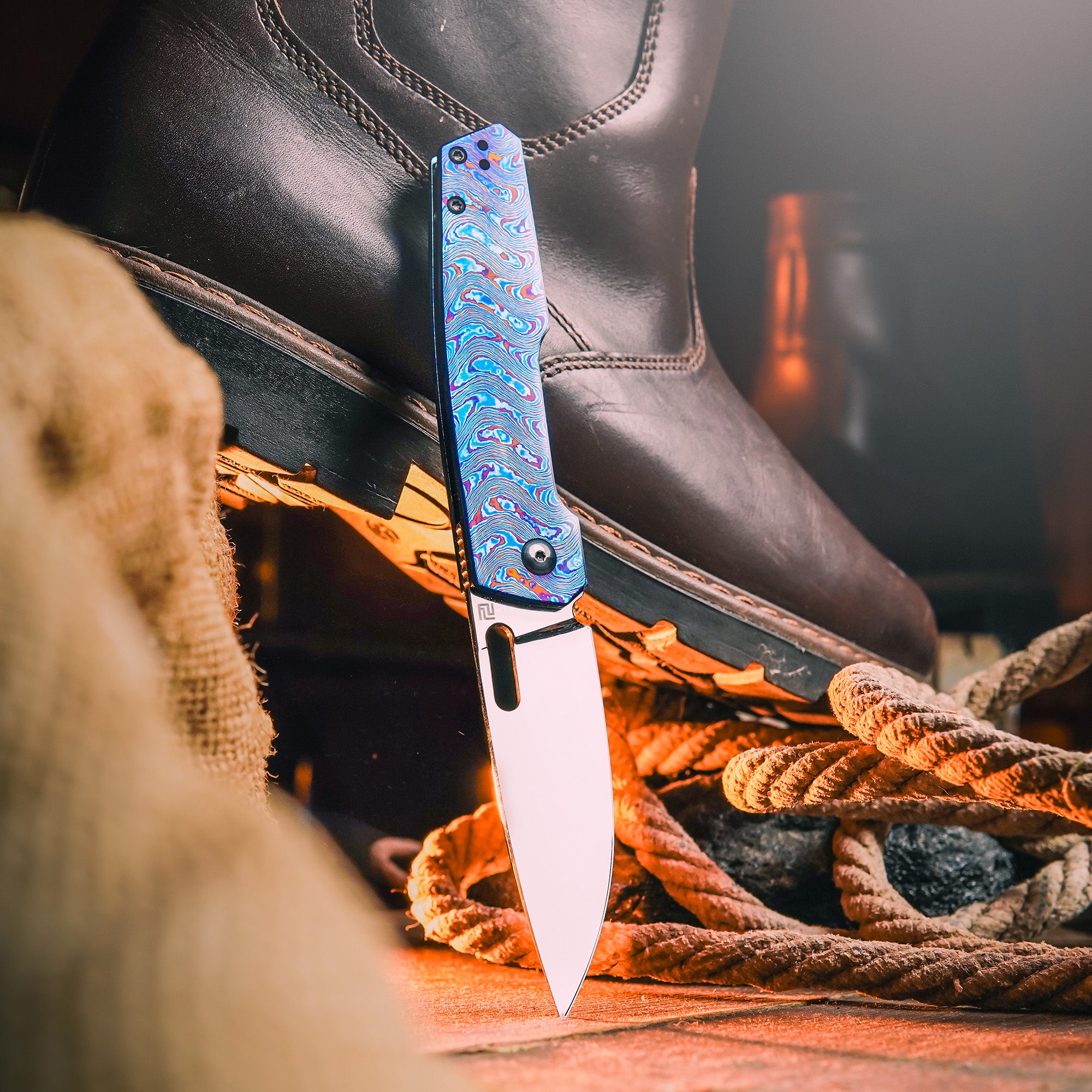
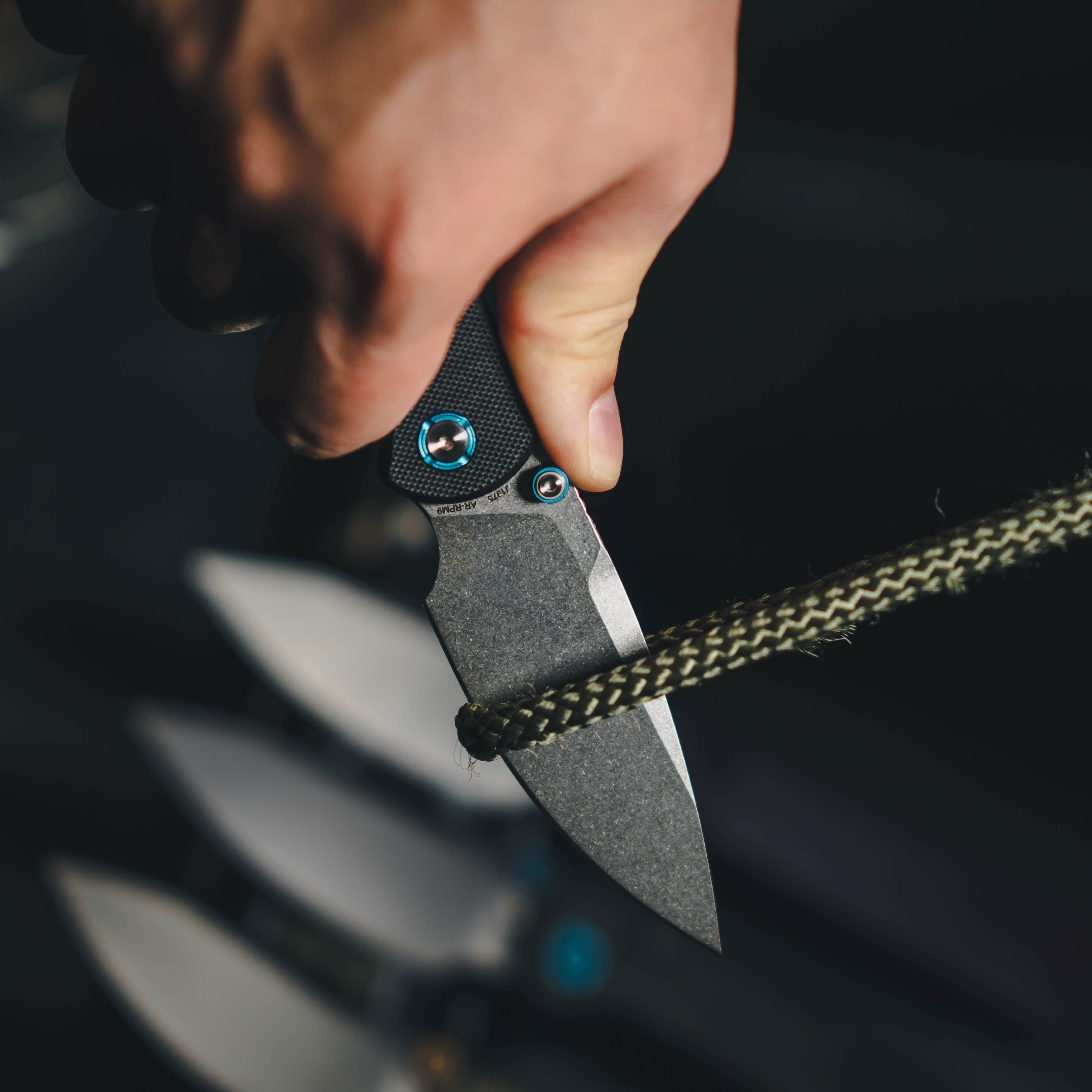
Contemporary knife makers have reimagined the dagger form for practical everyday carry. Many modern folding pocket knives incorporate dagger-like blade shapes — the spear point and drop point designs often borrow the symmetrical profile without the second edge. The Artisan Cutlery collection of folding pocket knives includes several models with refined, symmetrical blade profiles that capture the dagger aesthetic while complying with single-edged carry regulations. These designs offer the balanced handling and precise tip control that dagger enthusiasts appreciate, wrapped in modern handle materials like titanium, carbon fiber, and G10.
Dagger Blade Shapes in Modern Knives
| Blade Shape | Edge Type | Best For |
|---|---|---|
| Spear Point | Single or double edge | Versatile EDC, piercing, slicing |
| Dagger (true) | Double edge | Thrusting, tactical |
| Dirk | Double edge | Historical recreation, collectors |
| Stiletto | Narrow double edge | Deep piercing, slim profile |
The enduring appeal of the dagger lies in its perfect visual symmetry and purposeful design. Whether as a collector's piece or a daily companion, the dagger form remains one of the most recognizable and respected blade profiles in cutlery. For more on blade shapes and their history, Wikipedia's article on blades offers comprehensive information on the subject.

Leave a comment
This site is protected by hCaptcha and the hCaptcha Privacy Policy and Terms of Service apply.