

Short answer: an electric knife sharpener is the right tool for a soft, inexpensive kitchen knife and usually the wrong tool for a thin, hard pocket knife. It grinds at a single fixed angle and takes off steel fast — which is exactly what a tired paring knife needs, and exactly what shortens the life of a 60-plus HRC folder.
A fixed-angle machine grinds one bevel. A stone lets you follow the bevel the blade already has.
The machine is not the problem. The mismatch is. An electric sharpener is a powered jig: it holds the blade at one angle and runs an abrasive past it at a speed your hand cannot match. Used on the blades it was designed for, it turns a ten-minute job into ninety seconds. Used on a thin high-hardness edge, it removes in three passes what a stone would remove in thirty, and it leaves a shoulder where an apex used to be.
What an Electric Sharpener Is Actually Doing
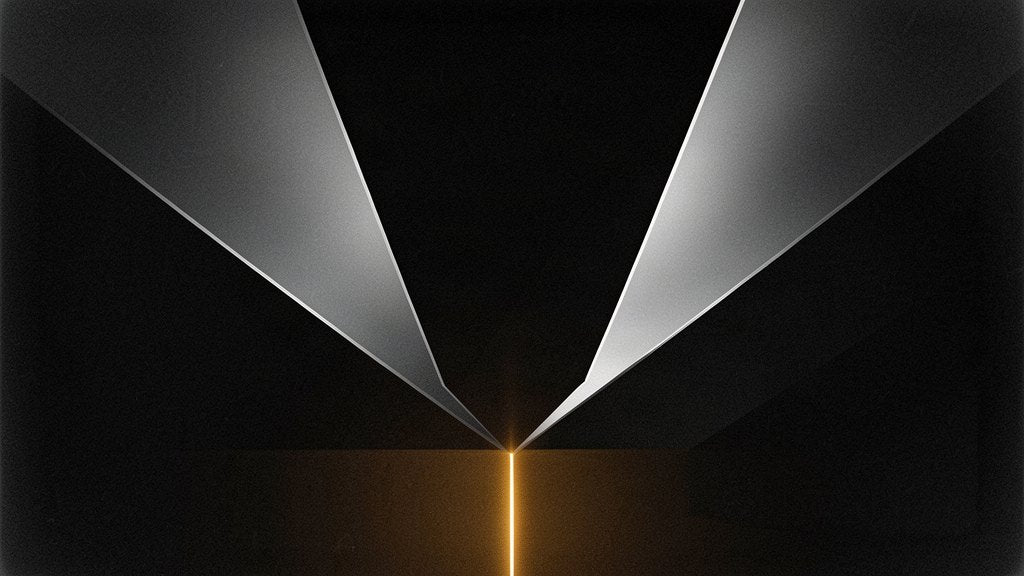
Every sharpener, powered or not, does one thing: it grinds two planes until they meet at a line. The angle between those planes is the edge angle, and the total across both sides is the included angle. Most knives in the world sit somewhere near 20 degrees per side, or 40 degrees included, with Western kitchen knives typically running 20 to 22 degrees per side and Japanese-style kitchen knives closer to 15 to 18 degrees.
An electric unit fixes that angle in hardware. Pull the knife through the slot and the carbide or diamond surfaces contact the edge at whatever angle the housing was molded to. That is the entire appeal and the entire limitation. You cannot thin behind the edge, you cannot follow a convex grind, and you cannot match a blade that was ground at 17 degrees.
There are three broad types, and they behave very differently:
| Type | How it cuts | Angle control | Best suited to | Poor choice for |
|---|---|---|---|---|
| Pull-through with carbide blades | Two fixed tungsten-carbide cutters scrape a V into the edge | None — set by the housing | Cheap kitchen knives, garden tools, a knife you do not care about | Anything thin, hard, coated, or serrated |
| Multi-stage electric (coarse, medium, fine slots) | Rotating abrasive wheels or belts in sequence | Fixed per slot, occasionally adjustable | Household kitchen knives, bulk sharpening for a shared kitchen | Folders with a 17-degree factory bevel or a compound grind |
| Belt sharpener (1x30, 1x42, or bench belt unit) | Moving abrasive belt, freehand or with a rest | Operator-controlled | Reprofiling, repairs, convex edges, high-volume work | Beginners on a good knife — a belt removes steel very quickly |
Where an Electric Sharpener Genuinely Works
Soft stainless is forgiving. A typical Western kitchen knife runs somewhere in the 52 to 58 HRC range, which means the steel deforms before it chips and the edge is easy to reform. A pull-through or multi-stage unit will bring that edge back in under two minutes, and the fact that it removes more steel than necessary does not matter much on a blade that will outlive its handle anyway.
Electric units also make sense when the alternative is worse. A household where nobody owns a stone, a rental kitchen, a set of steak knives, a machete that lives in a shed — all of these are better served by a machine that gets used than by a whetstone that sits in a drawer. Speed matters when it is the difference between sharpening and not sharpening.
Heavy reprofiling is the third honest use. If you bought a used knife with a visibly rounded edge, or you want to reset a badly maintained bevel, starting on a coarse belt saves an hour of hand work. The key word is starting: the machine does the rough shaping, and a stone or a strop finishes the apex.
Where It Ruins a Knife
The damage is not mysterious. Three mechanisms account for almost all of it.
1. Too much steel, too often
A pull-through carbide slot is a scraper, not a sharpener in the abrasive sense. Each pass cuts a fresh bevel and widens the relief until the blade is a wedge with a fat shoulder. Do that weekly to a pocket knife and, within a year, the blade has lost visible width and the geometry behind the edge is so thick it will not slice a ripe tomato no matter how carefully you finish the apex.
2. Hard steel chips instead of rolling
Premium folding knife steels run 59 to 64 HRC on purpose. A thin apex in that hardness does not bend out of the way when it meets abrasive at speed — it fractures. The result is a micro-chipped edge that feels sharp on your thumb and looks ragged under a loupe, plus a heat-affected sliver right at the edge if the abrasive is moving fast and pressed hard. That sliver will not hold an edge no matter how you finish it.
3. The angle is simply wrong
A machine set for 20 degrees per side cannot sharpen a blade ground at 17. It will grind a 20-degree bevel over the top of a 17-degree one, leave the original shoulder untouched, and create what amounts to a blunt secondary bevel on the outside of the edge. The knife cuts worse than it did before, and repeating the process just widens the mismatch. This is the single most common reason people conclude that their knife "will not take an edge anymore."
Two smaller traps are worth knowing. Serrated edges need a round or tapered abrasive, and a flat slot will flatten the points. Coated blades — blackwash, DLC, cerakote — will lose the coating along the bevel and look patchy afterward.
The 20-Degree Problem, and How to Work Around It
Most fixed-angle sharpeners are molded to a Western kitchen standard, because most of the world's knives are Western kitchen knives. If you want to use one on a folding knife, the workable approach is to accept the machine's angle as a micro-bevel rather than a full bevel. Sharpen the primary bevel by hand at the blade's real angle, then give it two or three very light passes in the fine slot only. The machine only touches the very edge, removes almost nothing, and gives you a stable, slightly more obtuse apex that resists rolling.
What you must not do is run a good folder through the coarse slot in order to "reset" the edge. That is how a 3.5-inch blade becomes a 3.1-inch blade with a thick shoulder and a rough finish. If the knife is worth carrying, it is worth the ten minutes with a diamond plate.
Using One Without Wrecking Anything
If the knife is a kitchen beater, the rules are simple: start in the coarse slot only if the edge reflects light along its full length, use steady even strokes at the same speed, and alternate sides so the bevel stays symmetric. Finish in the fine slot, then wipe the blade and check for a burr by drawing it across a plastic cutting board edge. A burr means stop and deburr on a ceramic rod or a strop.
If the knife is anything you care about, the sensible division of labor is: machine for the beater drawer, stone for the folder, strop for both. The machine never touches a blade you would photograph.
One more habit: sharpen less often than you think you should. Most edges that "need sharpening" only need a few passes on a honing rod or a loaded strop. Grinding is a last resort, and every powered pass is permanent.
If You Are Buying One Anyway
Three features separate a usable electric sharpener from a blade eater. Adjustable angle or at least a documented angle, so you know what you are imposing. Diamond or ceramic abrasive rather than bare carbide scrapers, because scrapers remove steel without refining the apex. And a slow or variable-speed motor, since speed plus pressure is what generates heat at the edge.
Belt units are the most capable of the electric options and the most demanding of technique. A 1x30 with a fine belt and light pressure will produce a convex edge that outperforms most factory grinds — in experienced hands. For most people, a guided rod system and a diamond plate will produce a better edge on the knives they actually carry, for less money and no risk of burning an apex.
The Bottom Line
An electric sharpener is a throughput tool. It buys speed by giving up angle control and steel conservation, and for a soft kitchen knife that trade is fine. For a hard, thin, well-ground pocket knife, the trade is bad: you spend blade width to save eight minutes. Keep the machine for the drawer knives, and keep a stone for the ones you carry — and if you are restocking the drawer in the first place, our pocket knives under $50 and folding knives collections are a reasonable place to start, with the blade material collection if you want to match steel to how you sharpen.
If you want the finishing tools that pair with either method, the knife accessories collection covers maintenance gear, and the best sellers page is where most people start when the drawer knife finally gives up.
For background on angles and abrasives, the Wikipedia entry on knife sharpening covers the geometry plainly, and Knife Steel Nerds on sharpness versus cutting ability explains why an aggressive edge does not always cut better.


Leave a comment
This site is protected by hCaptcha and the hCaptcha Privacy Policy and Terms of Service apply.