

Fat carbon fiber is the handle material you keep noticing on premium knife releases and never quite getting a straight answer about. It looks like marbled carbon, shimmers with metallic flecks, and carries a premium price. But what actually is it, how does it hold up, and does it deserve a spot on your EDC? Here is the practical breakdown.
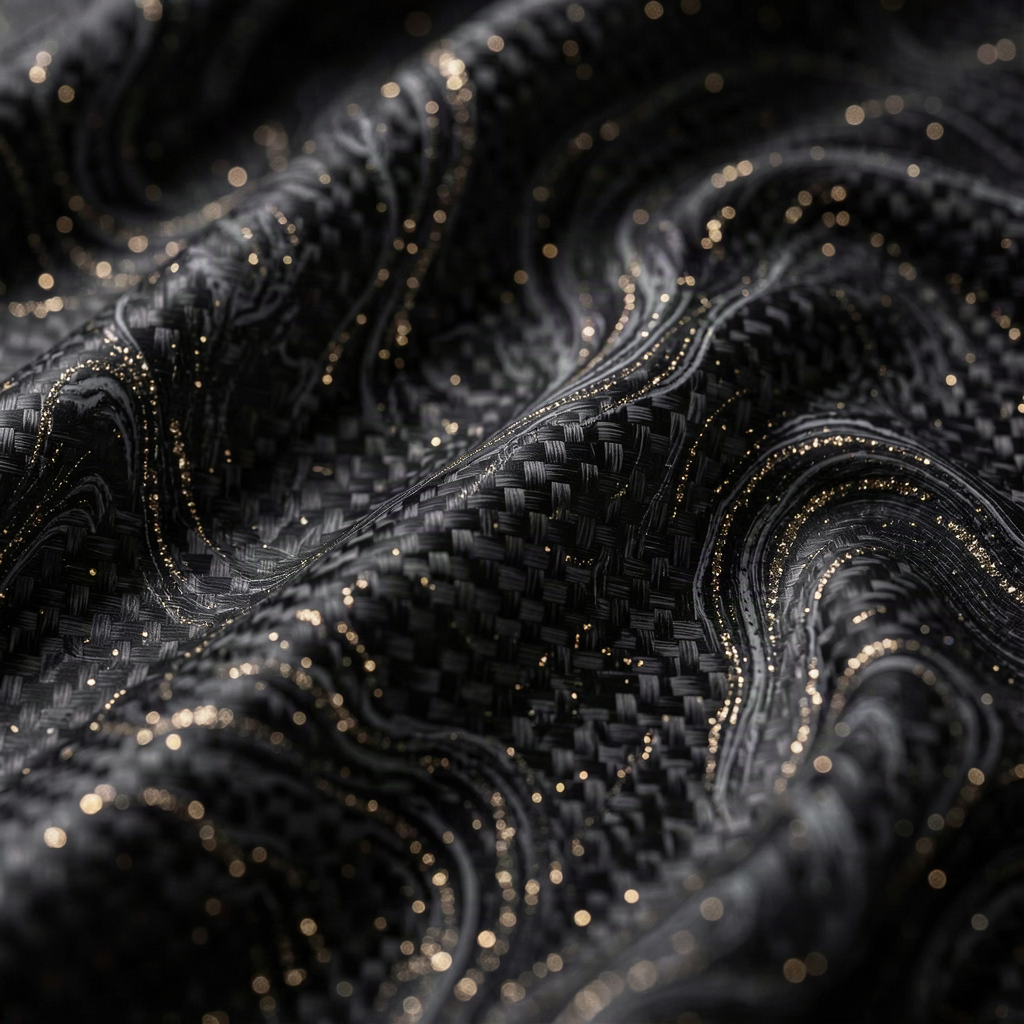
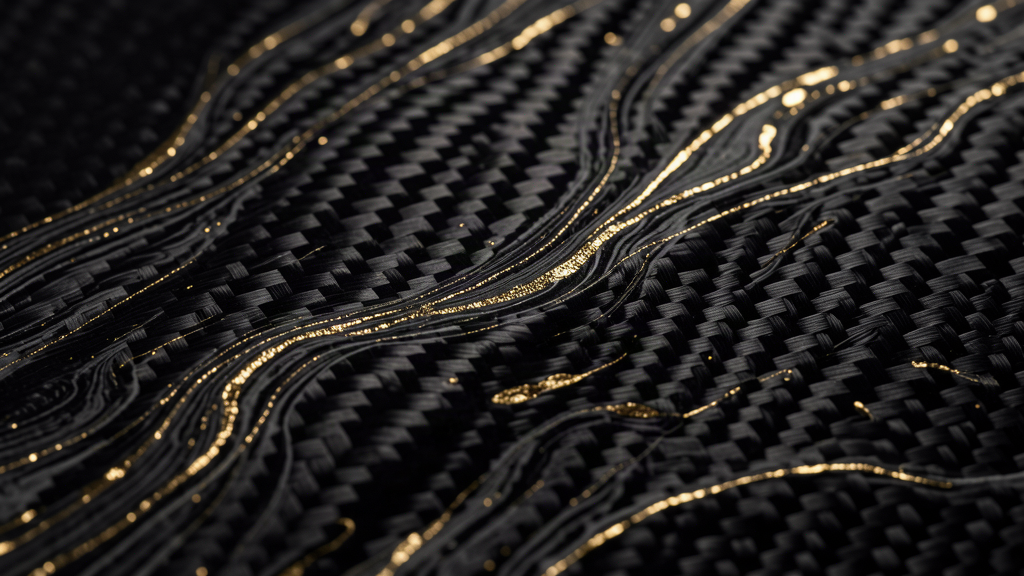
Fat carbon handles pair a marbled carbon fiber weave with metallic flakes for a lightweight, one-of-a-kind look.
What Is Fat Carbon Fiber?
Fat carbon is a forged composite handle material: carbon fiber strands are mixed into a resin matrix with metallic flakes, then compressed under heat and pressure into a dense block that is machined into handle scales. Unlike standard carbon fiber, which lays visible woven cloth in a repeating pattern, fat carbon has a random marbled look where every handle is slightly different. The metallic flecks in the mix are what give it that subtle shimmer under light.
How It Compares to Standard Carbon Fiber and G10
| Property | Fat Carbon Fiber | Standard Carbon Fiber | G10 |
|---|---|---|---|
| Look | Marbled, random, metallic flecks | Uniform woven pattern | Solid or layered color |
| Weight | Very light | Very light | Light |
| Strength | High strength-to-weight ratio | High strength-to-weight ratio | High, tough |
| Durability | Stiff, resists flex | Stiff, can chip on hard impacts | Very tough, scratch-resistant |
| Price | Premium | Moderate to premium | Budget friendly |
Weight and Strength
The core appeal of any carbon fiber handle is the strength-to-weight ratio. Carbon-fiber-reinforced polymers are extremely strong and light, which is why they are used everywhere from aerospace to sports equipment. On a knife, that translates to a handle that is rigid, thin, and noticeably lighter than titanium or steel scales. Fat carbon keeps those properties while adding the visual depth of the marbled, flaked finish.
Durability: What to Expect
Fat carbon handles are stiff and hold up well to normal carry, but they are not indestructible. Like other carbon composites, they can chip or crack under a hard impact on a corner, and the surface can develop micro-scratches over years of use. In practice, for everyday pocket carry, the material is plenty durable. The main thing to avoid is treating it like a pry bar or dropping it edge-first onto concrete.
How to Care for Fat Carbon Handles
Care is simple. Wipe the handle down with a soft cloth and mild soapy water when it picks up dirt or hand oils, and dry it thoroughly. Do not use harsh solvents or abrasive cleaners, which can dull the resin surface and cloud the metallic flakes. Occasionally applying a light coat of mineral oil on a cloth and buffing it in keeps the handle looking rich without leaving residue.
Is Fat Carbon Right for You?
Choose fat carbon if you want a lightweight, premium-feeling handle with a one-of-a-kind look and you are willing to pay for the material. Choose G10 if you want maximum toughness on a budget, or standard carbon fiber if you prefer the clean woven aesthetic. For collectors and daily carriers who value light weight and visual character, fat carbon is one of the most distinctive handle options available today.
Looking for a dependable everyday carry folder? Explore the Artisan Cutlery folding knife collection for premium EDC knives built for reliable everyday carry.

Leave a comment
This site is protected by hCaptcha and the hCaptcha Privacy Policy and Terms of Service apply.