



Why Lock Types Matter
The locking mechanism is one of the most critical components of any folding knife. A reliable lock keeps the blade securely open during use and prevents accidental closure that could cause injury. Understanding the different lock types helps you choose a knife that matches your needs for strength, ease of use, and safety.
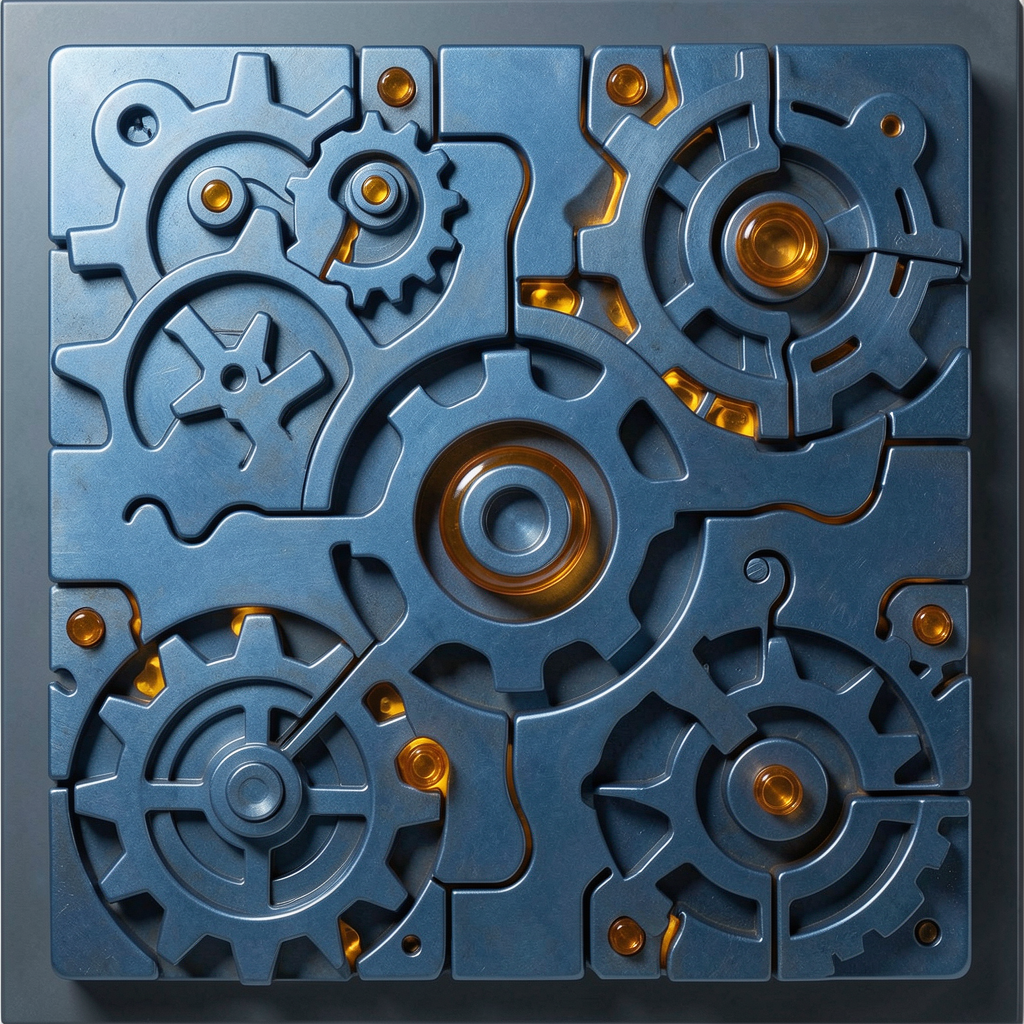
Folding knives use various lock mechanisms to keep the blade securely open during use.
From the classic liner lock to the advanced button lock, each mechanism offers distinct advantages. Here is everything you need to know about the most common folding knife lock types.
The Liner Lock
The liner lock is the most widely used locking mechanism in modern folding knives. Invented by Michael Walker, it consists of a spring-loaded metal liner inside the handle that snaps into position behind the blade when it is fully opened.
Pros: Simple, lightweight, easy to operate one-handed, widely available.
Cons: Can fail if the liner is thin or worn; requires proper heat treatment of the liner for long-term reliability.
The Frame Lock
Similar to the liner lock, the frame lock uses a cutout in the handle scale itself — typically titanium or stainless steel — that flexes inward to lock the blade. Popularized by Chris Reeve Knives, the frame lock is known for its strength and clean appearance.
Pros: Extremely strong, no extra parts needed, acts as lock and handle simultaneously.
Cons: Can be stiff on new knives; titanium lock faces may wear over time (often addressed with steel lockbar inserts).
The Button Lock
The button lock uses a spring-loaded plunger that engages with a notch in the blade tang. Pressing the button disengages the lock, allowing the blade to close. This mechanism is common on automatic knives and modern crossbar-lock-style designs.
Pros: Ambidextrous operation, smooth action, easy to use with gloves.
Cons: More internal complexity; spring fatigue can occur over extended use.
The Back Lock
The back lock — also called a lockback — uses a pivoting notched bar at the spine of the handle that engages a corresponding notch in the blade tang. To close, the user presses a release at the back of the handle. This is one of the oldest and most time-tested lock designs.
Pros: Extremely reliable, strong lockup, no accidental disengagement.
Cons: Typically requires two hands to close; can develop blade play over time if not properly maintained.
The Axis Lock / Crossbar Lock
Popularized by Benchmade's Axis lock, this mechanism uses a spring-loaded crossbar that slides forward and backward in a slot in the handle. The crossbar engages with the blade tang to lock it open or closed. Variations of this design are now used by many manufacturers.
Pros: Ambidextrous, smooth operation, strong lockup, allows blade to open/close without touching the edge.
Cons: More moving parts; omega springs can break over time (though often replaceable).
Lock Type Comparison
| Lock Type | Strength | Ambidextrous | One-Handed Close | Common On |
|---|---|---|---|---|
| Liner Lock | Medium-High | No (right-handed bias) | Yes | Mid-range to premium EDC |
| Frame Lock | Very High | No (right-handed bias) | Yes | Premium folding knives |
| Button Lock | High | Yes | Yes | Modern EDC, automatics |
| Back Lock | Very High | Yes | No | Traditional EDC, outdoors |
| Crossbar Lock | High | Yes | Yes | Premium EDC, tactical |
How to Choose the Right Lock for You
Consider how you plan to use your knife when choosing a lock type:
- Everyday Carry: Liner locks and frame locks are proven favorites for daily use — reliable, simple, and easy to maintain.
- Ambidextrous Carry: Button locks and crossbar locks offer true left/right-handed operation.
- Heavy Duty: Frame locks and back locks provide the strongest lockup for demanding tasks.
- Glove Use: Button locks and crossbar locks are easiest to operate with gloved hands.
Browse our collection of folding pocket knives featuring a range of lock types to find the mechanism that suits your carry style.
The right lock mechanism makes all the difference in safety and satisfaction. Understanding your options helps you choose a folding knife you can rely on for years.

Leave a comment
This site is protected by hCaptcha and the hCaptcha Privacy Policy and Terms of Service apply.