


FRN handles are the quiet workhorses of everyday carry. They show up on some of the best-selling budget and mid-range folding knives in the world, they survive years of pocket abuse, and they cost a fraction of what a titanium or G10 handle costs to produce. Yet most knife buyers never find out what FRN actually is — or why a moulded nylon handle can outperform a handle that looks far more expensive.
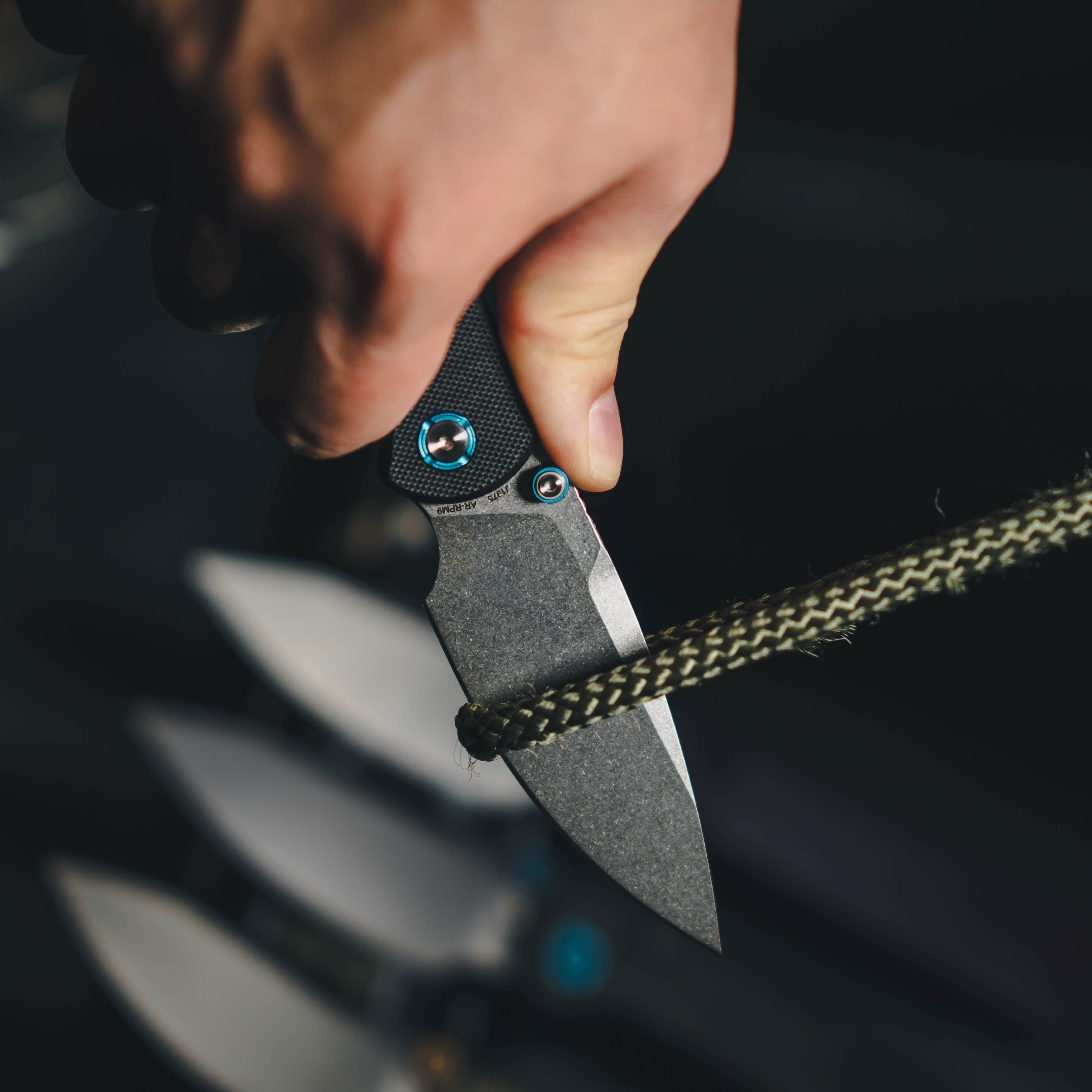
FRN is moulded, not machined: grip texture, finger grooves and screw bosses all come out of the mould in one shot.
What Is FRN?
FRN stands for fibreglass-reinforced nylon. The base material is nylon (polyamide), a tough engineering thermoplastic, mixed with short glass fibres that stiffen the polymer and improve dimensional stability. The result is a glass-filled polymer that combines the impact resistance of nylon with much of the rigidity of a composite.
The key manufacturing difference between FRN and materials like G10 or Micarta is that FRN handles are injection moulded. Instead of stacking fibreglass cloth with epoxy and then machining the handle to shape, manufacturers inject molten glass-filled nylon into a steel mould that already contains the final shape — including grip texture, finger grooves, lanyard holes and screw bosses. The part comes out of the mould finished. That is why FRN is cheap: almost no machining, almost no waste, and identical parts every time.
You will also see FRN sold under proprietary grade names. Zytel is DuPont's long-established glass-reinforced nylon, and EMS's Grivory is a similar engineering-grade glass-filled polyamide. When a spec sheet says "FRN", "GFN", "Zytel" or "Grivory", you are generally looking at the same family of moulded, glass-filled nylon.
Why Knife Makers Use FRN
- Weight. For the same handle volume, FRN is noticeably lighter than G10, Micarta, aluminium or titanium — which matters most on thin, pocketable knives.
- Impact toughness. Nylon flexes and absorbs shock instead of cracking. A dropped FRN handle tends to shrug off impacts that would chip a stiff laminate.
- Moulded texture. Grip patterns are formed in the mould at no extra cost, so FRN handles can have aggressive pebbled or checkered texture exactly where your fingers sit.
- Water and chemical resistance. FRN does not absorb moisture, swell, or rust. Salt water, sweat, and most cleaning agents are a non-issue.
- Cost. The same properties that make it fast to mould make it cheap to produce, which is why FRN is the handle material of choice on high-value working folders.
The trade-off is rigidity. FRN flexes where G10 or titanium does not, so nearly every FRN knife runs steel liners inside the handle to carry the pivot load and lock. FRN also has the limits of any thermoplastic: sustained high heat will soften it, and the screw threads cut into plastic are more easily stripped than threads in metal.
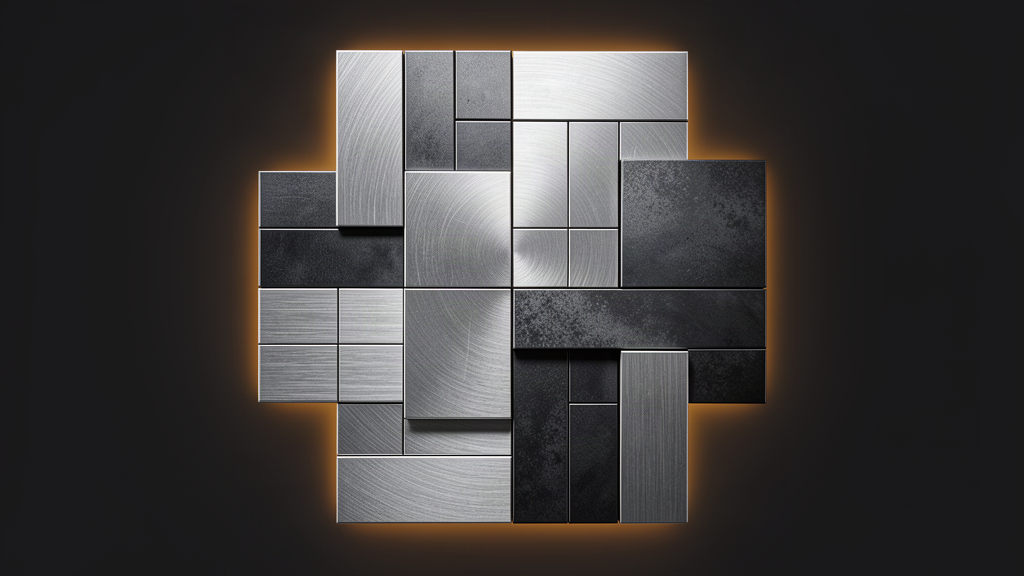
FRN vs G10 vs Micarta vs Titanium
| Material | Weight | Grip | Rigidity | Price tier |
|---|---|---|---|---|
| FRN | Lightest | Moulded texture, very good when wet | Flexes — needs liners | Entry |
| G10 | Light | Machined texture, excellent | Very stiff | Mid |
| Micarta | Light to mid | Warm, slightly absorbent grip | Stiff | Mid to high |
| Titanium | Heaviest of the four | Smooth, needs texture or jimping | Rigid enough to be the lock | Premium |
Where FRN Fits in the Artisan Cutlery Range
FRN is the reason our most accessible full-size folders can still use a premium blade steel. The Revel 1867G-BU pairs a blue FRN handle and a button lock with a 3.54" stonewashed CPM S90V blade for $89.99 — a steel that normally pushes knives past the $200 mark. If you want the same philosophy in a smaller, lighter package, the CJRB Pyrite-Light J1945 uses a light grey FRN handle over the same S90V steel at $79.99.
Both models show what FRN is good at: a moulded, textured, non-slip grip that weighs almost nothing, wrapped around a steel-linered chassis that does the structural work. You can see the full range of handle materials side by side on our folding knife collection page, from FRN entry models up through G10, Micarta, carbon fibre and full titanium frame locks.
How to Care for an FRN Handle
- Wash with warm water and mild soap. A soft brush lifts dirt out of the moulded texture. Rinse and dry — FRN will not absorb water, but steel liners still deserve a dry handle.
- Never put it in a dishwasher. Dishwasher cycles combine heat and harsh detergents, and heat is the one thing a moulded thermoplastic handle does not like.
- Skip solvents. Acetone, paint thinner and strong alcohol-based cleaners can dull or etch the surface. Soap and water will handle almost every mess.
- Snug screws, don't crank them. Threads cut into plastic strip more easily than threads in metal. Tighten until snug, use a thread-locking compound sparingly, and check the body screws occasionally since a knife that flexes can work them loose over time.
- Keep the pivot lubricated. FRN itself needs no maintenance, but the steel liners and pivot inside it do.
Used properly, an FRN handle will outlast several sharpenings of the blade it is attached to. Its texture may soften slightly with years of pocket carry, but it will not crack, swell or de-laminate from normal EDC use.
Frequently Asked Questions
Is FRN durable enough for hard use?
Yes, within reason. FRN is tough and impact resistant, and because it flexes it distributes shock rather than cracking. It is not the right choice if you want a handle you can pry with or strike with — that is a job for full titanium or steel — but for cutting tasks it is exceptionally reliable.
Is FRN just cheap plastic?
No. FRN is a glass-filled engineering polymer built to a specification, not a commodity plastic. Its low cost comes from the injection-moulding process rather than from weak material, which is why premium brands use it on working knives with high-end blade steels.
Is FRN better than G10?
They solve different problems. FRN is lighter and tougher against impacts; G10 is stiffer, offers a firmer grip and does not require liners to feel solid. For a lightweight daily carry knife, FRN is often the smarter choice. For a hard-use or tactical folder, G10 has the edge.

Leave a comment
This site is protected by hCaptcha and the hCaptcha Privacy Policy and Terms of Service apply.