

Not all knife steels are created equal — and more importantly, not all knife steels are right for every job. Choosing steel based on how you actually use your knife makes a bigger difference than picking the highest-rated steel on paper. This guide matches steel types to real-world use cases so you can choose the right blade for the way you carry and cut.
Different use cases call for different steel properties — match the steel to how you actually carry and cut.
Daily Carry (EDC) — Balanced Performance
For everyday carry — opening packages, cutting tape, breaking down cardboard, snipping loose threads — you need a steel that balances edge retention with corrosion resistance and reasonable sharpening ease. EDC knives see frequent but light tasks, often in varied environments.
Recommended steels for EDC
- 14C28N: Excellent all-rounder with good edge retention, excellent toughness, and easy sharpening. Corrosion-resistant and budget-friendly.
- S35VN: Premium choice for balanced performance. Good edge retention, good toughness, good corrosion resistance — the triple threat.
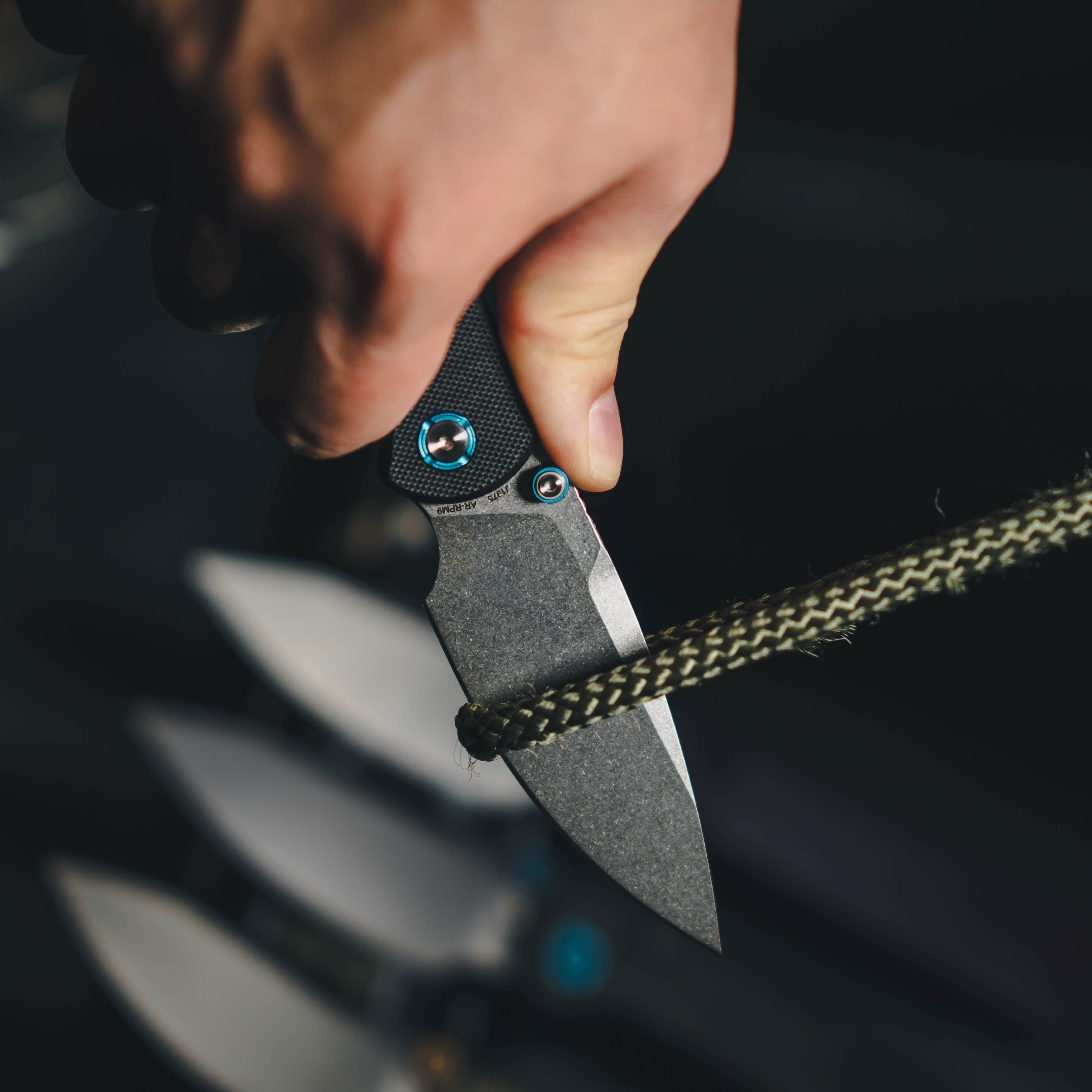
- Nitrobe N77 (AR-RPM9): Nitrogen-based steel with excellent corrosion resistance and good edge retention at a moderate price point.
- D2: Budget-friendly tool steel with very good edge retention. Requires some corrosion care but offers great value.
Camping and Outdoor — Toughness and Easy Sharpening
Outdoor use demands toughness — the ability to handle cutting branches, food prep, feather-sticking for fire starting, and occasional abuse without chipping. Outdoors, you may not have access to sharpening equipment, so edge retention matters too, but toughness is the priority.
Recommended steels for camping
- AEB-L: Exceptionally tough stainless steel that takes a very fine edge. Ideal for outdoor tasks where edge stability matters.
- 14C28N: Nearly as tough as AEB-L with slightly better edge retention. Excellent choice for a do-it-all outdoor folder.
- 1095: Classic carbon steel for outdoor use. Takes a great edge, easy to sharpen in the field, very tough. Requires rust vigilance.
- D2: When edge retention is more important than absolute toughness, D2 works well for outdoor tasks.
Heavy Use and Hard Use — Toughness Above All
Hard use means cutting through dense materials, occasional prying (though a knife is not a pry bar), heavy cardboard, rope, and prolonged cutting sessions. These tasks need steels that can take impact without rolling or chipping the edge.
Recommended steels for heavy use
- D2: Tool steel with good toughness and excellent edge retention for prolonged cutting sessions.
- 14C28N: Surprisingly tough for a stainless steel. Handles heavy use well while staying corrosion-resistant.
- 3V: If you can find it in a production folder, CPM-3V offers exceptional toughness combined with good edge retention. Rare in folding knives.
- S35VN: Premium option that balances toughness with edge retention for all-day cutting tasks.
Food Preparation and Kitchen — Stainless Required
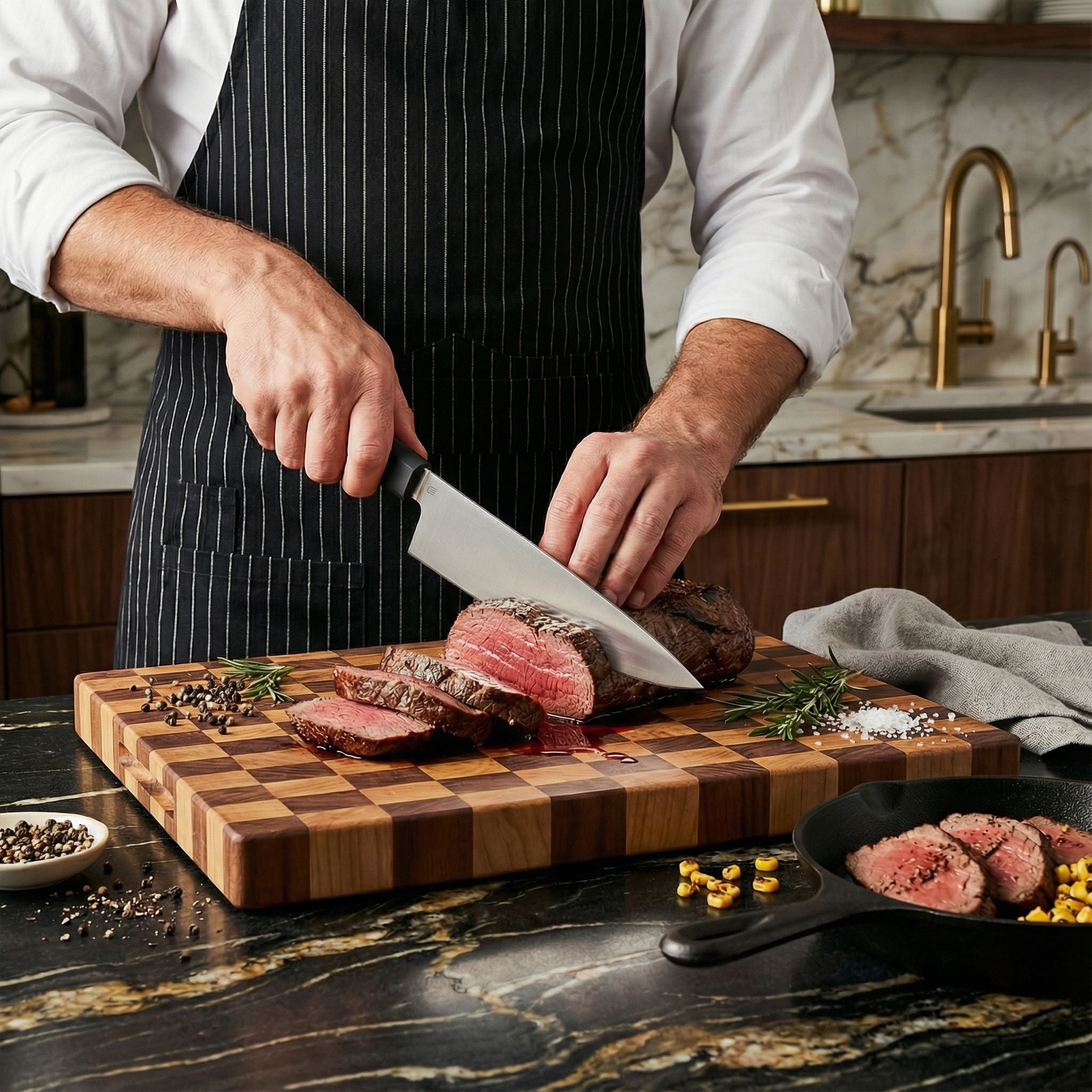
If your EDC knife cuts food — apples, sandwiches, vegetables — stainless steel is non-negotiable. Carbon steel reacts with acidic foods, can impart metallic taste, and requires immediate cleaning. Kitchen-friendly knife steels prioritize corrosion resistance and ease of sharpening.
Recommended steels for food prep
- 14C28N: Excellent for food contact — corrosion-resistant, easy to sharpen to a razor edge, and budget-friendly.
- 440C: Classic stainless with good corrosion resistance and easy sharpening. Reliable for food prep.
- S35VN: Food-safe and holds an edge longer than 440C or 14C28N, though harder to sharpen.
Marine and Wet Environments — Maximum Corrosion Resistance
For use around saltwater, diving, fishing, or any consistently wet environment, corrosion resistance is the primary concern. Standard stainless steels can still corrode in saltwater — you need a steel specifically formulated for marine conditions.
Recommended steels for marine use
- H1: Nitrogen-based steel that is effectively rust-proof. Used by diving knife manufacturers. Cannot rust in normal use.
- LC200N: Another nitrogen steel with excellent corrosion resistance and good toughness. Slightly better edge retention than H1.
- M390: Very high chromium content gives it strong corrosion resistance for freshwater environments. Less ideal for constant saltwater exposure.
Steel Selection Quick Reference
| Use Case | Top Pick | Budget Option | Key Priority |
|---|---|---|---|
| EDC / Daily | S35VN | 14C28N | Balance |
| Camping / Outdoor | 14C28N | 1095 | Toughness |
| Heavy Use | D2 | 14C28N | Edge Retention |
| Food Prep | 14C28N | 440C | Corrosion Resistance |
| Marine / Wet | LC200N | M390 | Max Corrosion Resistance |
Final Thoughts
The best knife steel is the one that matches how you actually use your knife. An EDC steel that works perfectly for office carry would be frustrating for marine use, and a tough camping steel might be overkill for light daily tasks. Match the steel to the environment and the cutting demands, and you will get a knife that performs reliably for years.
Explore folding knives in a range of steel types for different use cases in the Artisan Cutlery folding knives collection.


Leave a comment
This site is protected by hCaptcha and the hCaptcha Privacy Policy and Terms of Service apply.