



Cleaning vs Sanitizing: What Is the Difference?
Cleaning removes dirt, grease, and debris; sanitizing reduces the number of germs to a safe level. For an EDC knife you need both: regular cleaning keeps the pivot and edge working, while sanitizing matters after the knife has been used on food, in a first-aid situation, or anywhere hygiene is a concern. They are separate steps, not interchangeable ones.
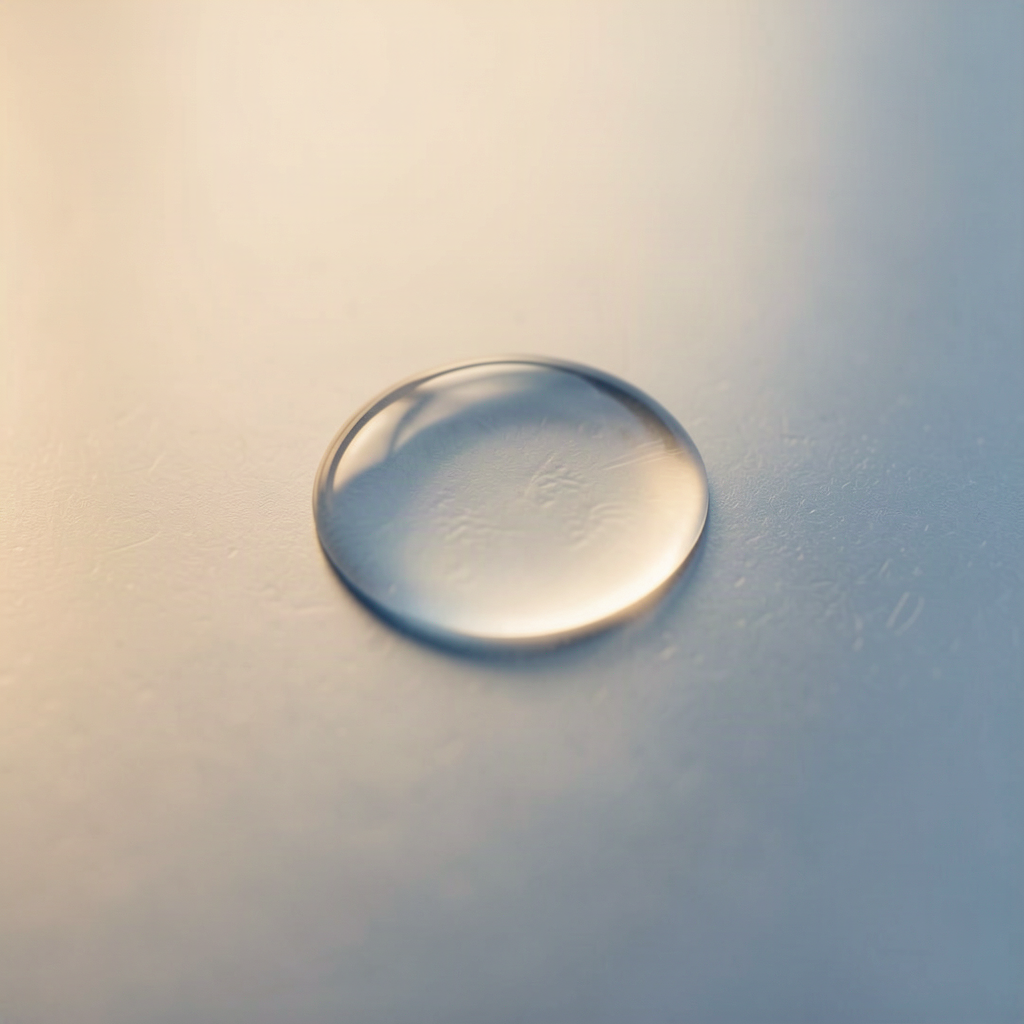
Wet cleaning always ends the same way: dry thoroughly, then re-oil.
Routine Cleaning: The Five-Minute Method
- Open the knife fully and wipe the blade with a dry cloth to remove loose debris
- Wash with warm water and mild dish soap, working the soap into the blade and handle with a soft brush or cloth; a toothbrush reaches into the pivot area and jimping
- Rinse with warm water — avoid hot water on natural handle materials such as bone or wood
- Dry completely with a lint-free cloth, then let it air-dry for a few minutes; trapped moisture is the enemy of any stainless steel blade
- Re-oil the pivot and blade with a light knife lubricant before closing (see below)
How to Sanitize Your EDC Knife
| Method | How To Use | Best For | Watch Out |
|---|---|---|---|
| Isopropyl alcohol | Wipe blade and handle with a cloth dampened with 70% or higher isopropyl alcohol, let it sit briefly, then wipe dry | Quick sanitizing, coatings-safe | Alcohol strips lubricant — always re-oil after |
| Dish soap wash | Warm water and soap scrub, then rinse | Routine cleaning before sanitizing | Not a true sanitizer on its own |
| Sanitizing wipes | Wipe the blade and handles, allow to air-dry | On-the-go sanitation | Check they are alcohol-based and coating-safe |
| Boiling water | Brief dip in boiling water, then dry and oil immediately | Food-contact blades | Risky for natural handles; never submerge the pivot for long |
Isopropyl alcohol is the practical all-rounder: it dissolves oils and resins on the surface while acting as a fast-drying disinfectant. It is safe on steel, titanium, G10, micarta, and most coatings when used as a wipe rather than a soak.
What NOT to Do
- Do not soak the knife — water and solvents in the pivot wash out lubricant and invite rust
- Do not use the dishwasher — heat and detergent are brutal on blades, handles, and locks
- Do not use bleach or aggressive solvents on coated blades or synthetic handles
- Do not skip drying — moisture left in the pivot is the most common cause of rust and stiff action
- Do not forget the pocket clip — it collects lint, dust, and skin oils that transfer to the handle
After Every Wet Cleaning: Dry and Re-Oil
Any wet cleaning — especially alcohol — strips the lubricant from the pivot and detent surfaces. After drying, apply a drop of light oil to the pivot, open and close the knife a few times to work it in, and wipe off the excess. A thin film of oil on the blade also protects against fingerprints and moisture between uses. If you keep a schedule, a full cleaning once a month is plenty for most carriers.
When to Deep-Clean
- After cutting food, fish, or game
- After exposure to salt water, sweat, or rain
- If the action becomes gritty or the blade shows spots
- Before long-term storage
Final Thoughts
Cleaning and sanitizing your EDC knife takes five minutes and protects the blade, the pivot, and everyone who uses it. Clean it when it is dirty, sanitize it when it has touched food or wounds, and always finish with oil — that simple rhythm keeps any folder performing for years.
Start with a knife worth caring for — browse the Artisan Cutlery collection, built for reliable everyday carry.



Leave a comment
This site is protected by hCaptcha and the hCaptcha Privacy Policy and Terms of Service apply.