


Counterfeit knives have never been easier to stumble across. A quick scroll through any online marketplace turns up suspiciously cheap versions of famous models, and the fakes are getting better every year. For collectors, the stakes are real: a fake knife wastes your money, fails when you need it, and has no place in a serious rotation. Learning to spot fake knives is one of the most valuable knife collecting skills you can develop. Here is the checklist professionals use.
Packaging, engraving, and hardware reveal counterfeits
Start With the Price
Price is the fastest counterfeit filter. If a folding knife that normally retails for $150 is listed at $35 from a brand-new seller, it is not a deal — it is a counterfeit. Fakes are cheap to produce because they skip the expensive steel, heat treatment, and quality control of the original. A price that seems too good to be true is the single most reliable warning sign in the entire counterfeit economy.
Inspect the Logo and Engraving
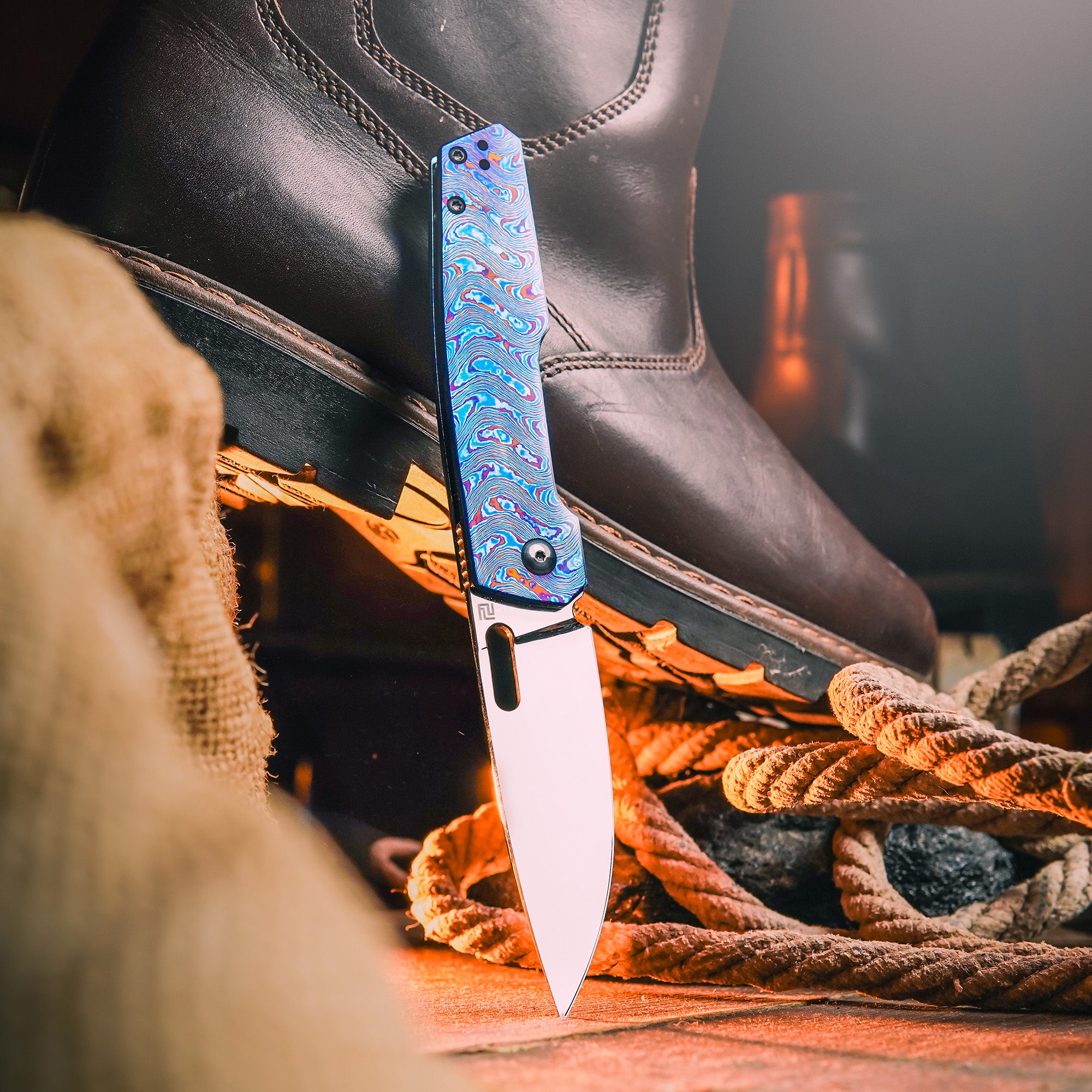
- Logo depth: Genuine knives have crisp, deep logos that are laser-engraved or stamped into the blade. Fakes often have shallow, blurry, or slightly misaligned markings.
- Letter spacing: Counterfeit engraving frequently has uneven letter spacing, wrong fonts, or subtle misspellings. Compare side by side with official product photos.
- Placement: Fakes often put the logo on the wrong side of the blade or the wrong location on the handle.
Check Blade Steel Markings
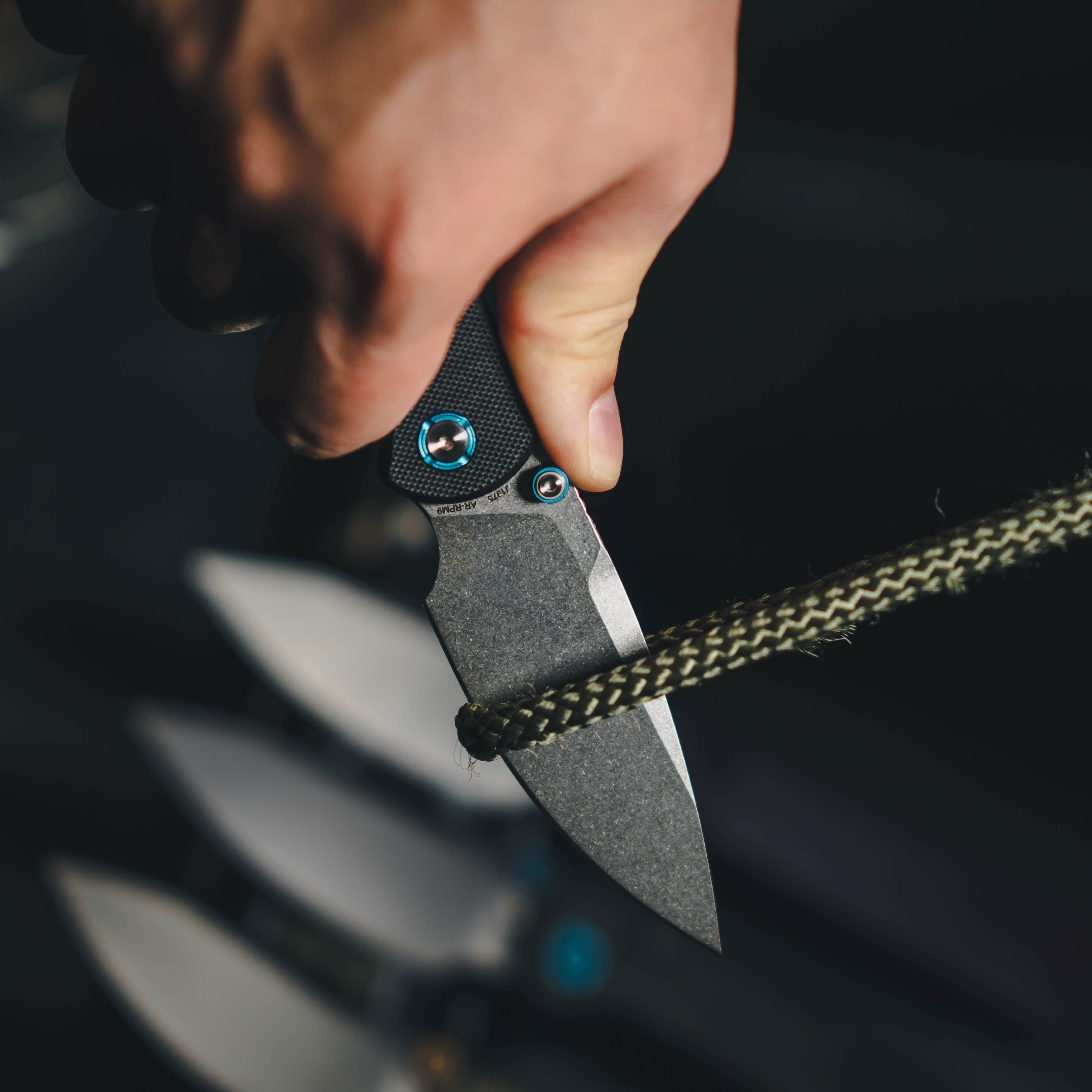
Legitimate manufacturers stamp the actual steel grade on the blade, and the marking matches the model's real spec sheet. If a knife claims to be M390 but the steel marking is smudged, missing, or inconsistent with the brand's standard placement, walk away. Remember that a printed steel name proves nothing by itself — fakes print impressive steel names all the time. The marking is one clue among many, not proof on its own.
Examine Pivot Hardware and Action
Genuine knives use specific, brand-consistent pivot hardware. If the pivot screws look like generic hardware store parts, that is a red flag. The action tells a story too: authentic knives with ball bearing pivots open smoothly with a satisfying detent, while fakes feel gritty, loose, or inconsistently stiff. Excessive blade play in every direction is common on counterfeits because their tolerances are sloppy.
Packaging, Documentation, and Serial Numbers
- Box quality: Real packaging uses premium cardstock and precise printing. Fake packaging is often glossy, thin, or printed with off colors.
- Documentation: Many brands include warranty cards, certificates of authenticity, or branded stickers. Missing documentation on a supposedly new knife is suspicious.
- Serial numbers: For limited and numbered runs, verify the serial number exists and looks consistent with the brand's format. Some brands offer serial lookup tools.
Weigh It in Your Hand
Counterfeiters usually substitute cheaper handle materials, which changes weight and texture. A titanium or carbon fiber knife that feels suspiciously light, or a G10 handle that feels like cheap plastic, is almost certainly fake. Genuine materials have a specific feel under the fingers that is hard to replicate at counterfeit production costs.
Where to Buy Safely
The simplest counterfeit defense is to buy from sources you control. Buying directly from the brand or an authorized dealer removes almost all the risk, because the product comes from the original factory and carries the real warranty. When you shop, check the seller's history, read reviews of the seller rather than just the product, and be especially wary of listings using stolen official photos with a suspiciously low price.
If you are building a collection and want to be certain every piece is genuine, stick to the official Artisan Cutlery catalog for brand purchases and buy secondhand only from sellers with verifiable history. A few minutes of inspection now saves you from a counterfeit that fails in your pocket later.
Counterfeits thrive on shortcuts — in steel, engraving, hardware, and packaging. Learn the tells, trust the price, and buy from the source for reliable everyday carry.



Leave a comment
This site is protected by hCaptcha and the hCaptcha Privacy Policy and Terms of Service apply.