

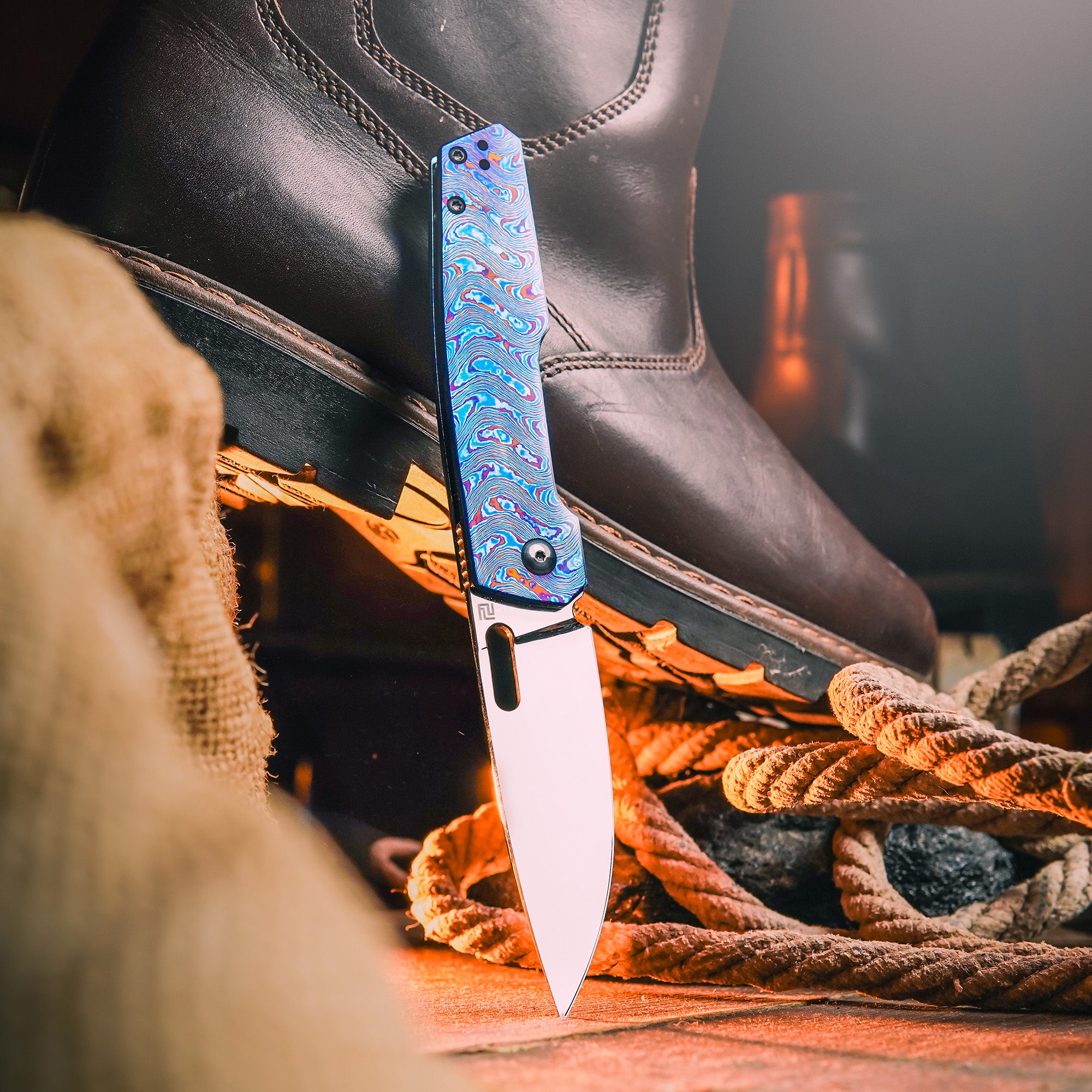
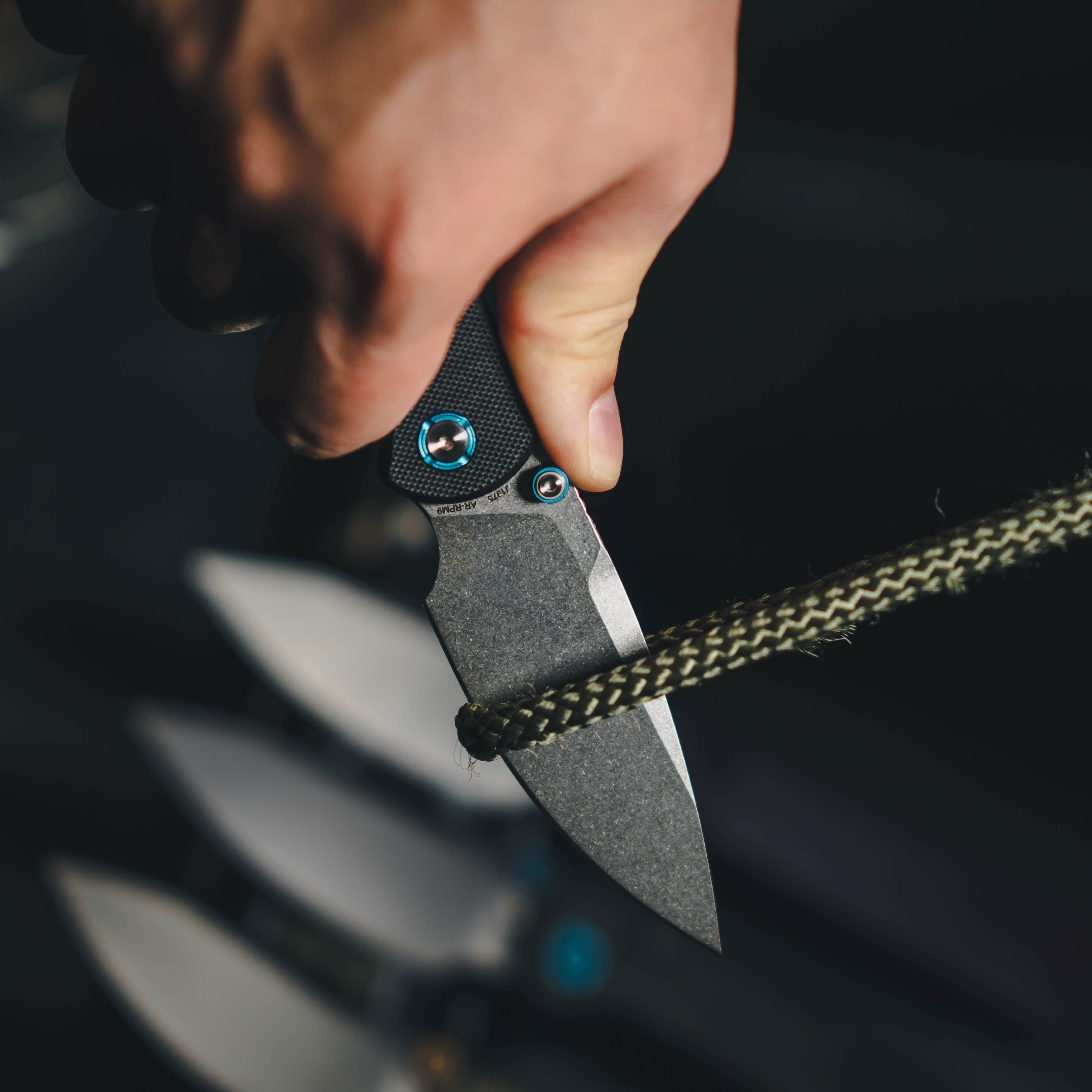

Understanding pocket knife lock types is essential for choosing a safe, reliable folding knife. The locking mechanism is what keeps the blade securely open during use and prevents accidental closure. From classic liner locks to modern crossbar locks, each system offers distinct advantages in strength, ease of use, and durability. Here is everything you need to know about the most common folding knife locking mechanisms.
Modern folding knives use a variety of locking mechanisms, each engineered for reliability and ease of operation.
Modern folding knives use a variety of locking mechanisms, each engineered for reliability and ease of operation.
Liner Lock
The liner lock is the most widely used locking mechanism in modern folding knives. A spring-loaded metal liner inside the handle moves into position behind the blade when it opens, preventing it from closing during use. To disengage, you push the liner to the side with your thumb. Liner locks are lightweight, easy to operate with one hand, and proven reliable across millions of knives. Check out liner lock options at Artisan Cutlery's liner lock collection.
Frame Lock
Developed by custom knifemaker Chris Reeve, the frame lock is essentially an integrated liner lock where part of the handle itself acts as the locking bar. Because the lock bar is part of the handle frame, it can be thicker and stronger than a separate liner. Frame locks are favored in premium knives and are known for their strength and clean aesthetics. Browse Artisan Cutlery's frame lock knives.
Crossbar Lock
Popularized by companies like Benchmade, the crossbar lock (also called an axis-style lock) uses a spring-loaded bar that moves back and forth across the blade's tang. Pulling the bar to either side releases the blade, allowing for smooth ambidextrous operation. This mechanism is exceptionally strong and allows the knife to be opened and closed with either hand. See Artisan Cutlery's crossbar lock models.
Button Lock
Button locks use a spring-loaded plunger that engages a notch in the blade tang. Pressing the button releases the blade, typically allowing it to swing freely. Button locks are popular for flipper knives and automatic knives where quick, easy deployment is a priority. Discover Artisan Cutlery's button lock collection.
Lock Types Comparison
| Lock Type | Strength | One-Handed Close | Ambidextrous | Typical Use |
|---|---|---|---|---|
| Liner Lock | Good | Yes | No | Mid-range to premium EDC |
| Frame Lock | Very Good | Yes | No | Premium/high-end EDC |
| Crossbar Lock | Excellent | Yes | Yes | Tactical and premium EDC |
| Button Lock | Good | Yes | Yes | Flippers and automatics |
| Back Lock | Very Good | Requires two hands | Yes | Traditional and outdoor knives |
Which Lock Type Is Right for You?
Your choice of locking mechanism depends on your priorities. For reliable strength and premium feel, the frame lock is hard to beat. If you want ambidextrous operation or the ability to close the knife with one hand, the crossbar lock is ideal. Liner locks offer excellent value and proven reliability at accessible price points. Button locks provide quick, satisfying deployment for flipper fans. Artisan Cutlery offers models across all these lock types, allowing you to find the perfect match for your carry style.
Learn more about slip joint knives on Wikipedia.

Leave a comment
This site is protected by hCaptcha and the hCaptcha Privacy Policy and Terms of Service apply.