

If you have been shopping for folding knives, you have probably noticed that most lock types fall into two camps: frame and liner locks that rely on a flexing piece of the handle, and button or crossbar locks that use a spring-loaded mechanism inside the handle. The crossbar family is where the Artisan Cutlery Recoil-Lock lives, and it is one of the most ambidextrous, user-friendly locking systems you can carry.
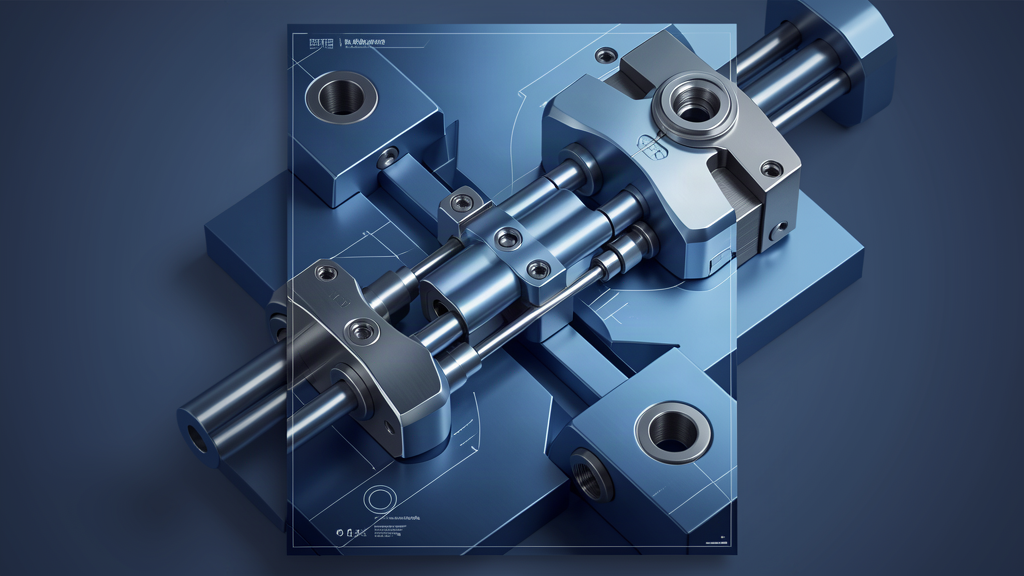
Crossbar-style locks engage a spring-loaded bar with a cutout in the blade tang.
What Is a Crossbar-Style Lock?
A crossbar lock uses a spring-loaded bar that spans the width of the handle, engaging a cutout in the blade tang to hold the blade open. To close the knife, you pull the bar back with your thumb or index finger, which disengages it from the tang and lets the blade fold. Because the bar is accessible from both sides of the handle, the lock is fully ambidextrous: left-handed users get exactly the same experience as right-handed users, with no lock-side configuration needed.
How the Recoil-Lock Works
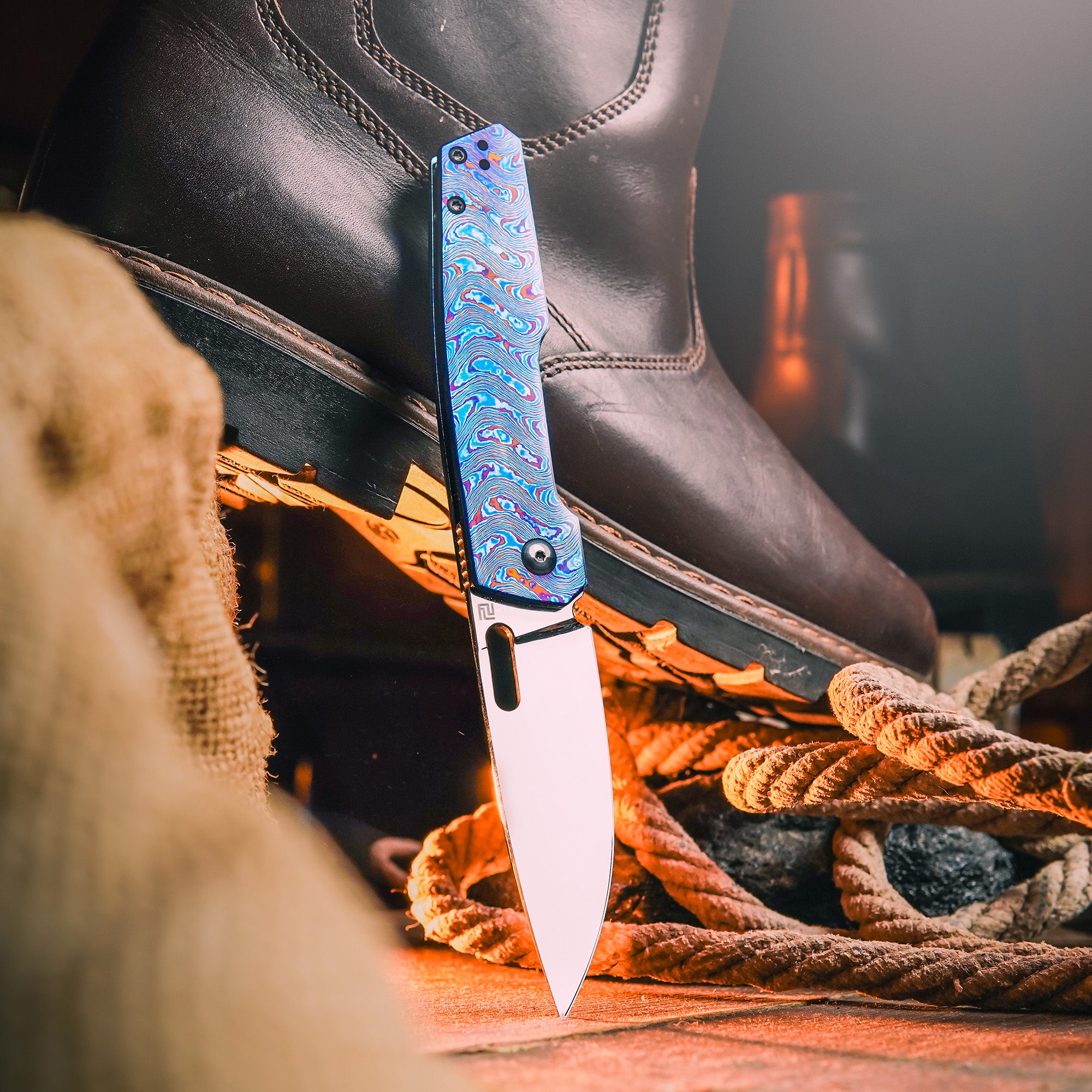
The Artisan Cutlery Recoil-Lock is the brand's own implementation of this crossbar concept, and it adds a distinctive twist. In addition to releasing the blade when pulled back, the Recoil-Lock assists deployment: it launches the blade out as it disengages, so the knife can be wrist-flicked open with no resistance at all. The first Artisan Cutlery model to use the mechanism is the Blowback, a full-size Damascus folder whose name nods to exactly this launch-assist behavior.
Recoil-Lock vs Other Lock Types
| Feature | Recoil-Lock (Crossbar) | Button Lock | Frame / Liner Lock |
|---|---|---|---|
| Ambidextrous | Yes, fully | Yes | No (right-handed by default) |
| Wrist-Flick Deployment | Yes (launch assist) | Yes (with flipper) | Usually no |
| Moving Parts | Spring + bar | Spring + button | Flexing lockbar |
| Fail-Safe Behavior | Spring holds lock engaged | Spring holds lock engaged | Lockbar flex |
| Maintenance | Simple, few parts | Simple | Very simple |
Why Ambidextrous Locks Matter
For left-handed carriers, a traditional frame or liner lock means reaching across the handle to release the lock, or carrying the knife in a configuration that does not suit your draw. Crossbar-style locks remove that friction entirely: pull the bar, close the blade, done. This same ease of operation makes crossbar locks popular with users who switch hands during the day, such as tradespeople working in awkward positions.
Caring for a Recoil-Lock Knife
Crossbar mechanisms have few moving parts, but they do benefit from a light routine: keep the pivot clean and lubricated, and make sure no debris gets packed into the lock bar channel. If the bar ever feels gritty or sluggish, a drop of quality knife lubricant on the bar and pivot, followed by opening and closing the knife a dozen times, usually restores the action. The mechanism is robust enough for hard use, and the spring-loaded design self-engages, so the blade locks up firmly every time.
Experience the Recoil-Lock for yourself in the Artisan Cutlery folding knife collection, built for reliable everyday carry.



Leave a comment
This site is protected by hCaptcha and the hCaptcha Privacy Policy and Terms of Service apply.