

Why Blade Shape Matters for Everyday Carry
The shape of your knife blade determines how it performs in real-world cutting tasks. A blade profile isn't just about looks — it dictates slicing efficiency, tip strength, piercing ability, and overall utility. Choosing the right blade shape for your EDC folding knife is one of the most important decisions you'll make as a knife enthusiast.
Whether you're cutting open packages, preparing food, performing rescue tasks, or handling rope and cordage, each blade geometry offers distinct advantages. Let's break down the most popular blade shapes and their ideal use cases.
Drop Point — The EDC All-Rounder
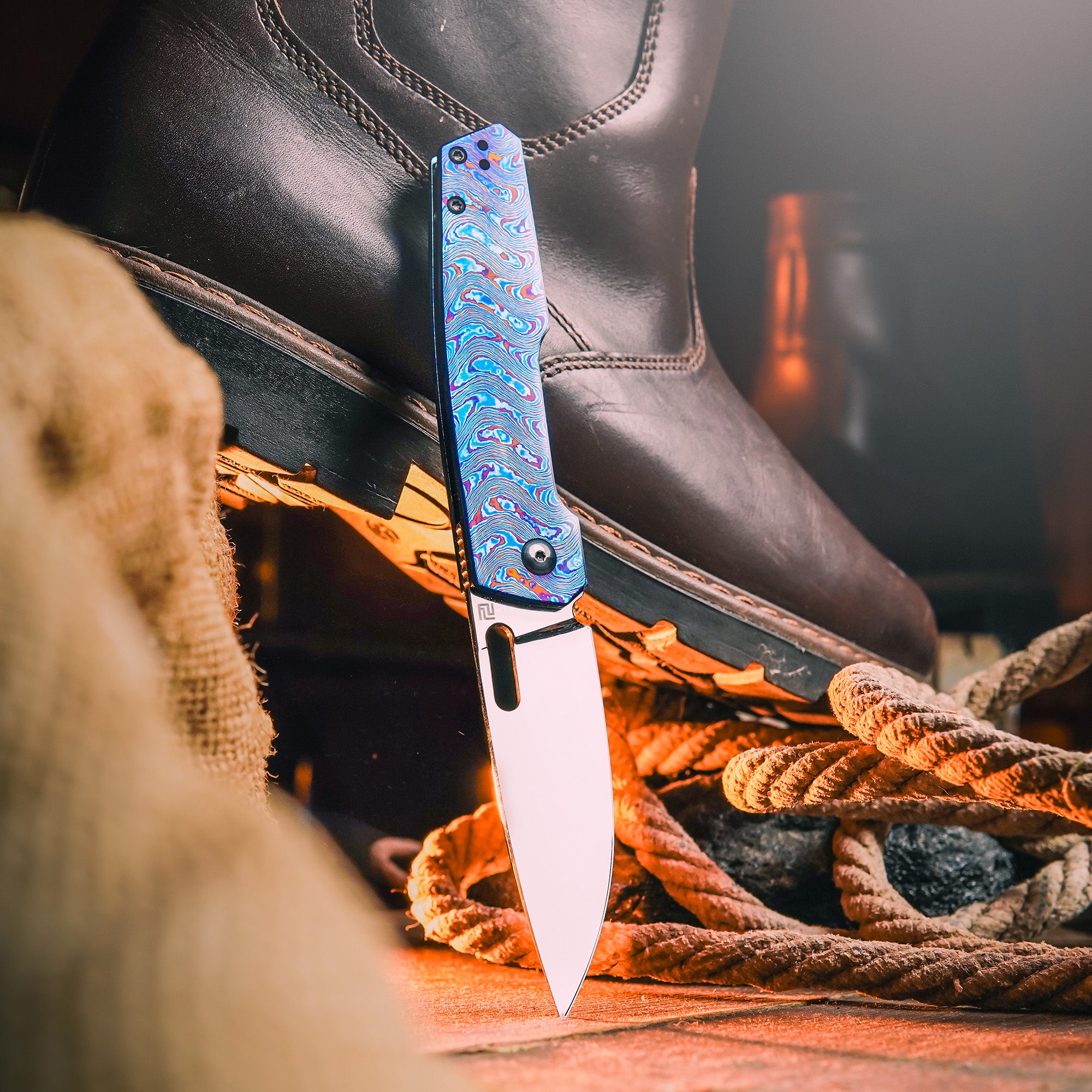
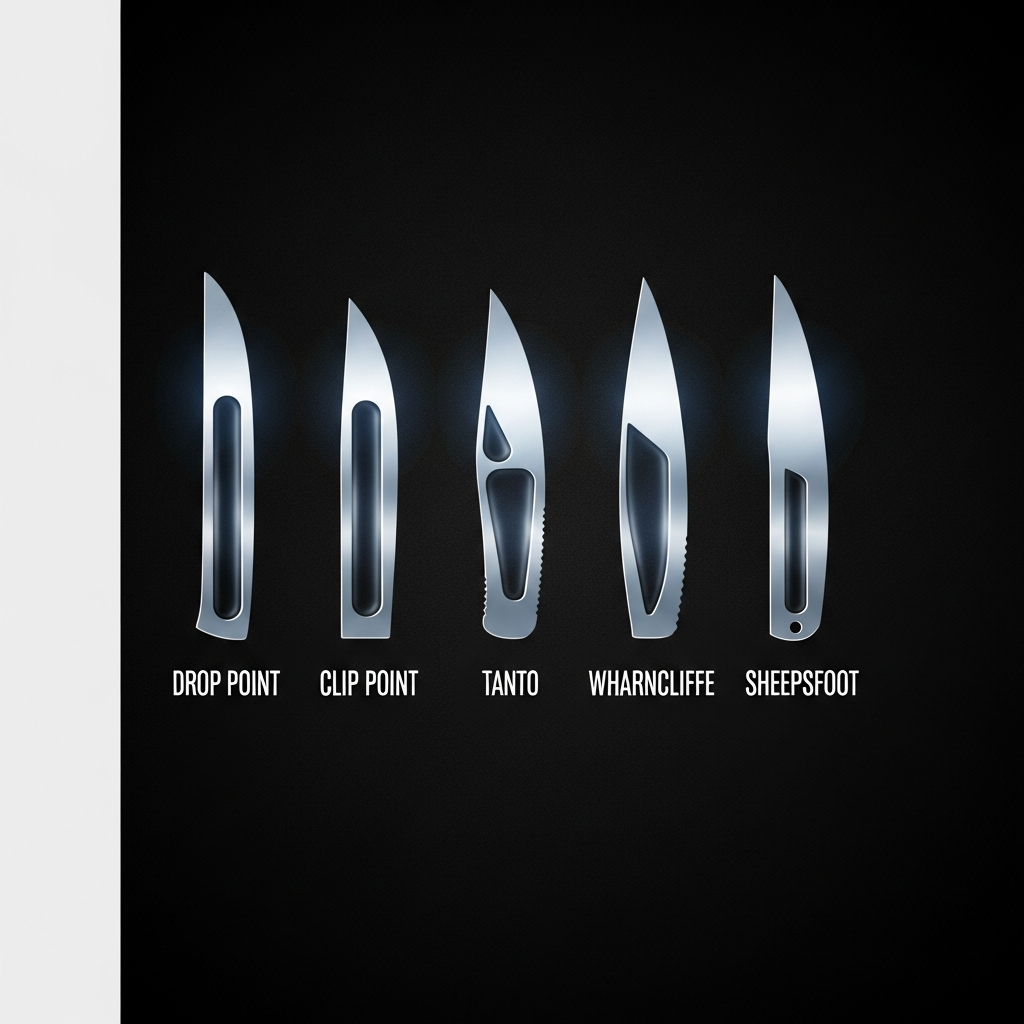
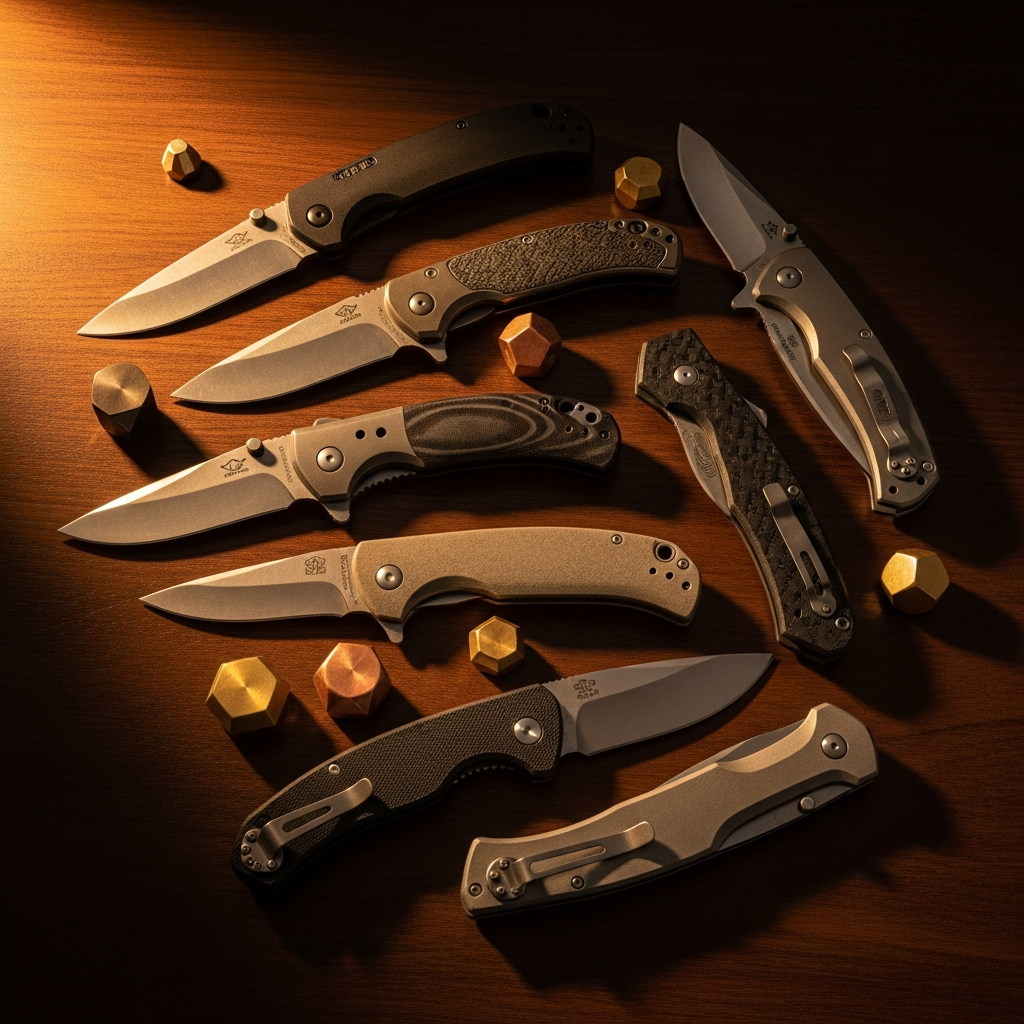
The drop point is the most popular blade shape for everyday carry knives, and for good reason. Its convex spine curves downward to meet the tip, creating a lower tip that offers excellent control while maintaining a strong point. The belly provides ample slicing surface, making it ideal for general-purpose cutting tasks. Artisan Cutlery's folding collection features many excellent drop-point designs suitable for daily carry.
- Best for: General EDC, hunting, camping, everyday slicing
- Tip strength: Strong — resistant to breaking under lateral pressure
- Control: Excellent — the lowered tip allows precise work
- Not ideal for: Deep piercing, heavy-duty prying
Clip Point — Precision Piercing
Recognizable by the concave or straight clip cut on the spine near the tip, clip point blades offer a thinner, sharper point ideal for piercing. The Bowie knife popularized this shape, and it remains a favorite for those who need precision work. The finer tip does trade some strength, but the increased belly delivers smooth slicing performance.
- Best for: Piercing, detailed carving, skinning
- Tip strength: Moderate — the thin tip is more prone to snapping
- Control: Good — fine point enables detailed cuts
- Not ideal for: Heavy-duty tasks, prying, hard use
Tanto — Maximum Tip Strength
Originally inspired by traditional Japanese tanto swords, the modern tanto blade features a flat grind with a distinct angular transition to the tip. This creates an exceptionally strong tip capable of penetrating tough materials without snapping. The tanto's two distinct cutting edges — a straight edge and an angled tip — offer versatility for different cutting angles.
- Best for: Tactical use, self-defense, piercing hard materials
- Tip strength: Very strong — best-in-class for penetration
- Control: Moderate — the angular transition can reduce slicing smoothness
- Not ideal for: Long slicing strokes, food preparation
Wharncliffe — Utility and Precision
The wharncliffe blade features a straight edge that meets a straight spine at a sharp point. This straight cutting edge provides maximum control and is ideal for tasks requiring precision, such as cutting tape, opening boxes, or scoring materials. The strong tip resists breakage, and the full-length straight edge delivers consistent cutting geometry.
- Best for: Utility cutting, box opening, carving, scoring
- Tip strength: Strong — thick spine continues to the tip
- Control: Excellent — the straight edge offers predictable cuts
- Not ideal for: Rocking cuts, skinning, food prep with curved surfaces
Sheepsfoot — Safe and Purposeful
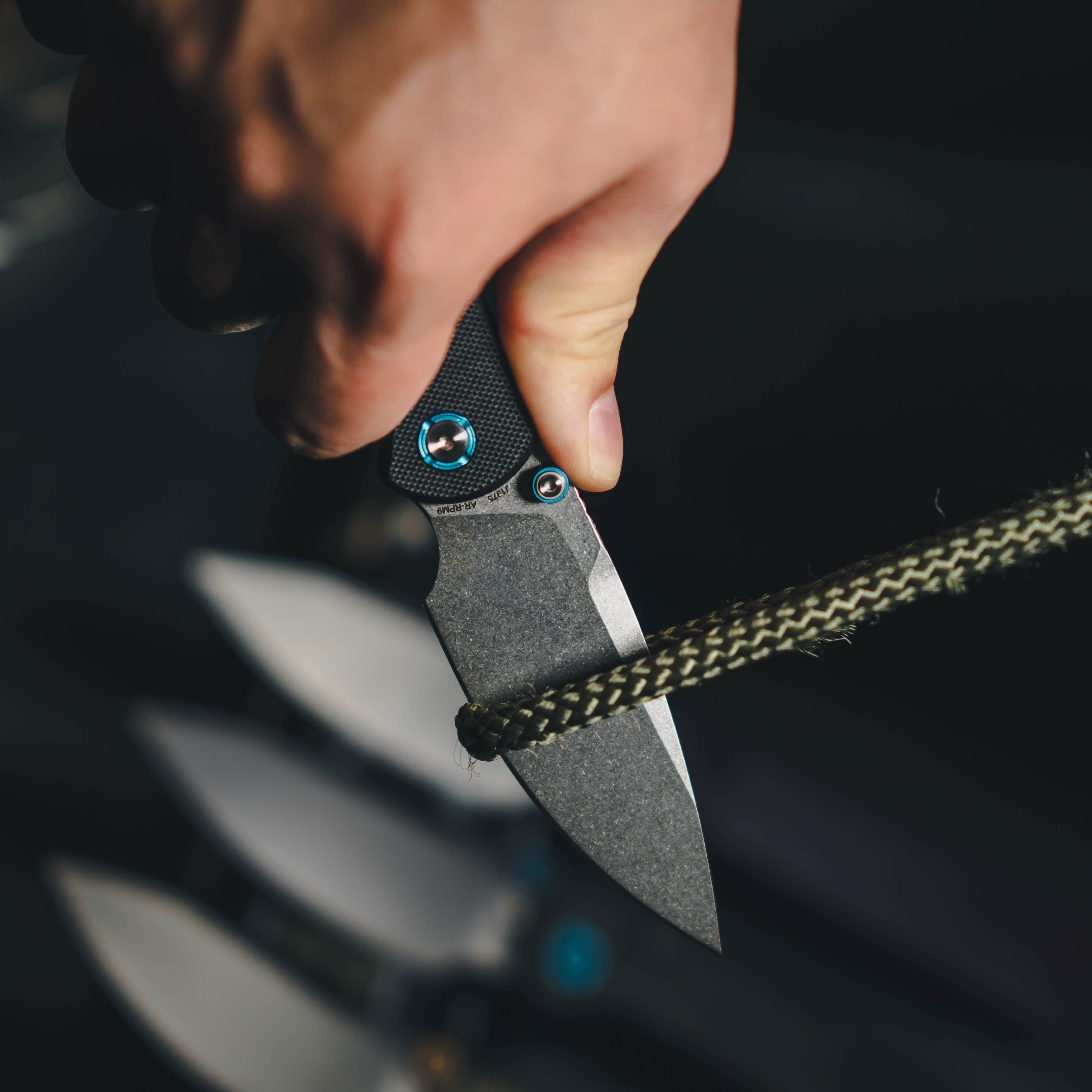
The sheepsfoot blade has a straight cutting edge with a spine that curves down to meet it at a blunt, rounded tip. Originally designed for trimming sheep hooves without piercing the animal, this shape is now prized for safety-focused EDC use. The absence of a sharp point makes it ideal for rescue work and tasks where accidental stabbing is a concern.
- Best for: Rescue work, rope cutting, opening packages, safe carry
- Tip strength: Strong — no fine point to break
- Control: Excellent — the blunt tip prevents accidental piercing
- Not ideal for: Piercing, self-defense, detailed carving
Blade Shape Comparison Table
| Shape | Tip Strength | Slicing | Piercing | Best Use |
|---|---|---|---|---|
| Drop Point | High | Excellent | Good | All-purpose EDC |
| Clip Point | Moderate | Good | Excellent | Piercing & carving |
| Tanto | Very High | Moderate | Excellent | Tactical & piercing |
| Wharncliffe | High | Good | Moderate | Utility & precision |
| Sheepsfoot | High | Good | Poor | Rescue & safety |
Choosing the Right Shape for Your Needs
Your ideal blade shape depends on how you use your knife daily. For general utility, a drop point or sheepsfoot offers the best balance of safety and performance. If you frequently pierce packaging or cut straps, consider a tanto or clip point. For precision cutting and box opening, a wharncliffe is unmatched. Browse Artisan Cutlery's folding knife collection to see these blade shapes in action across premium EDC designs.


Leave a comment
This site is protected by hCaptcha and the hCaptcha Privacy Policy and Terms of Service apply.