

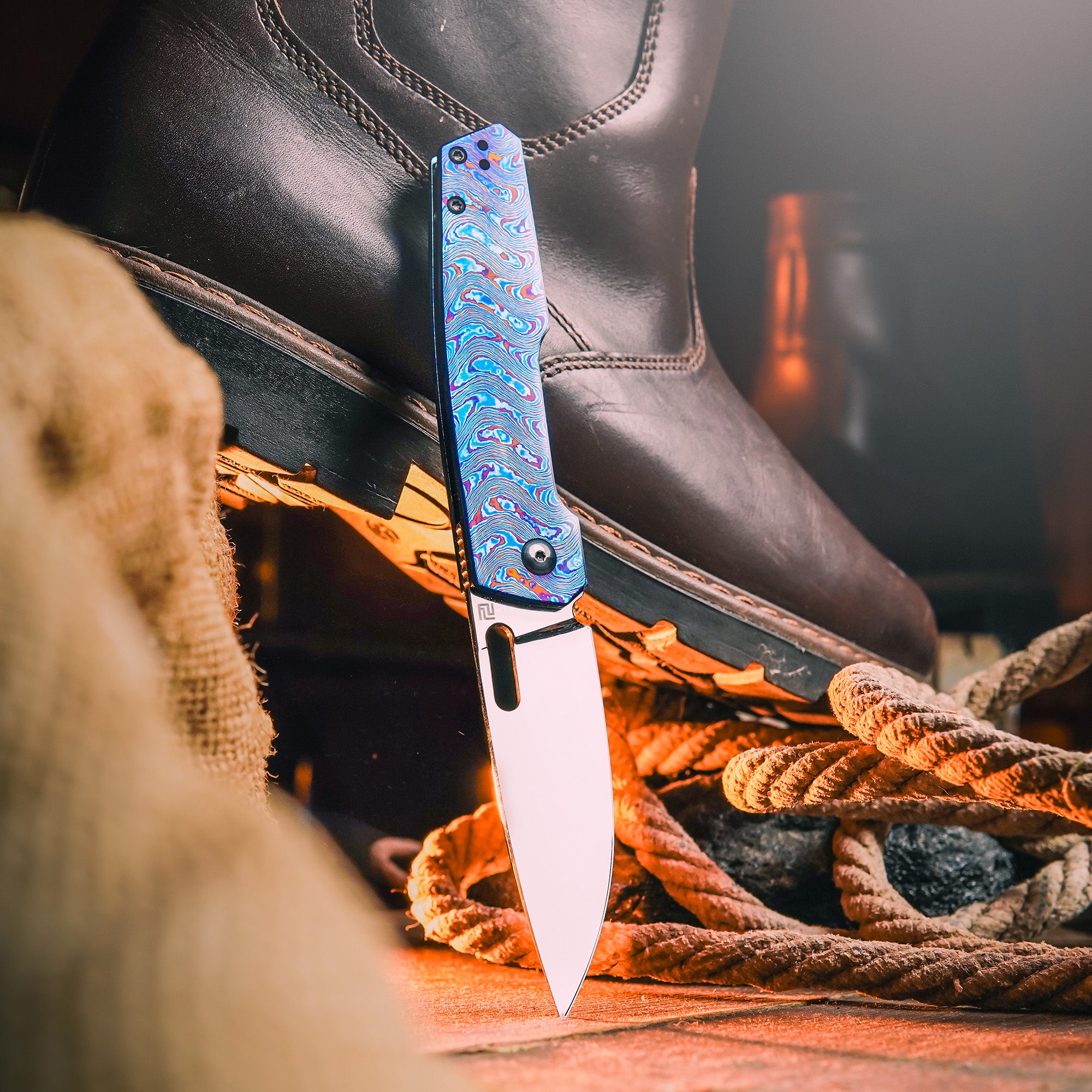
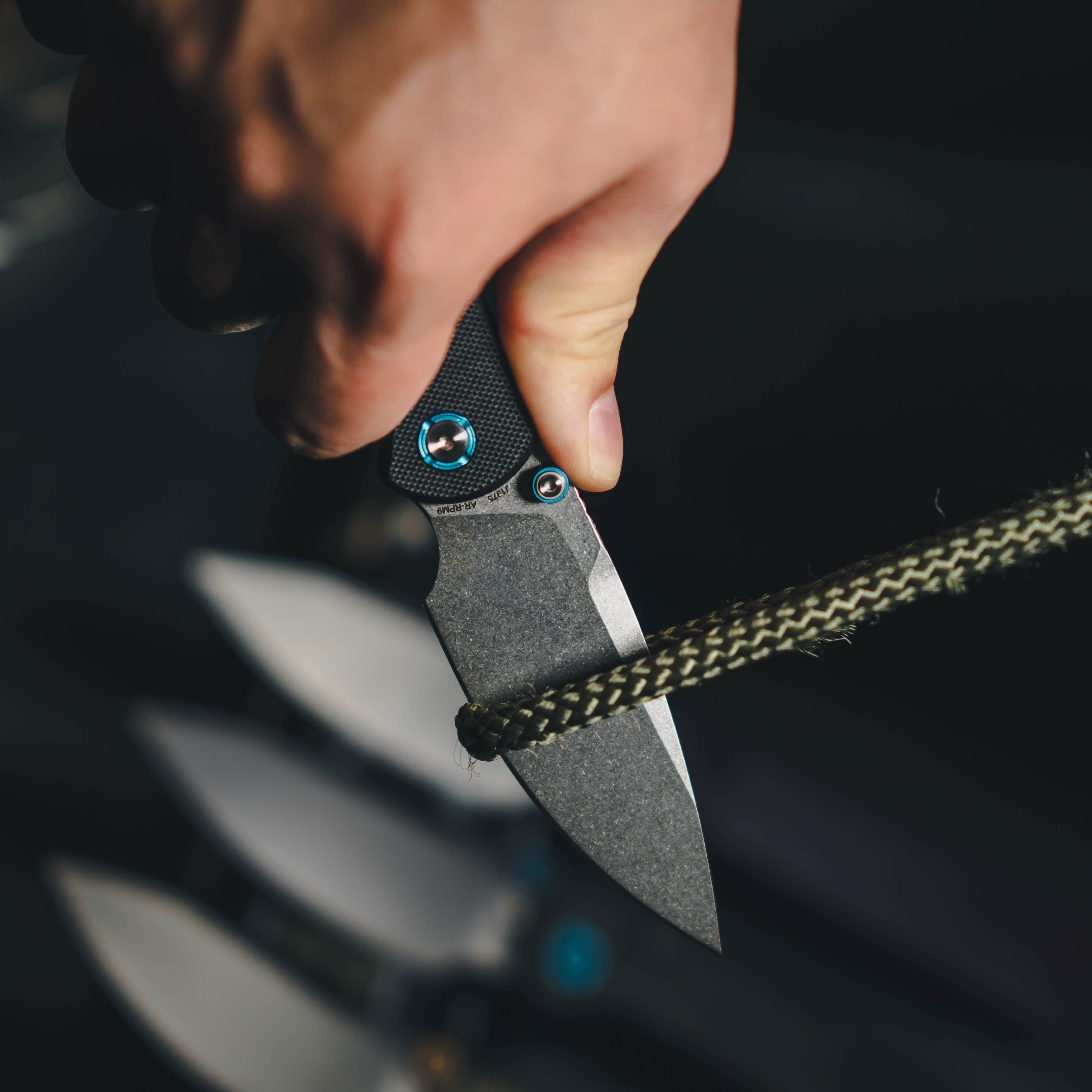
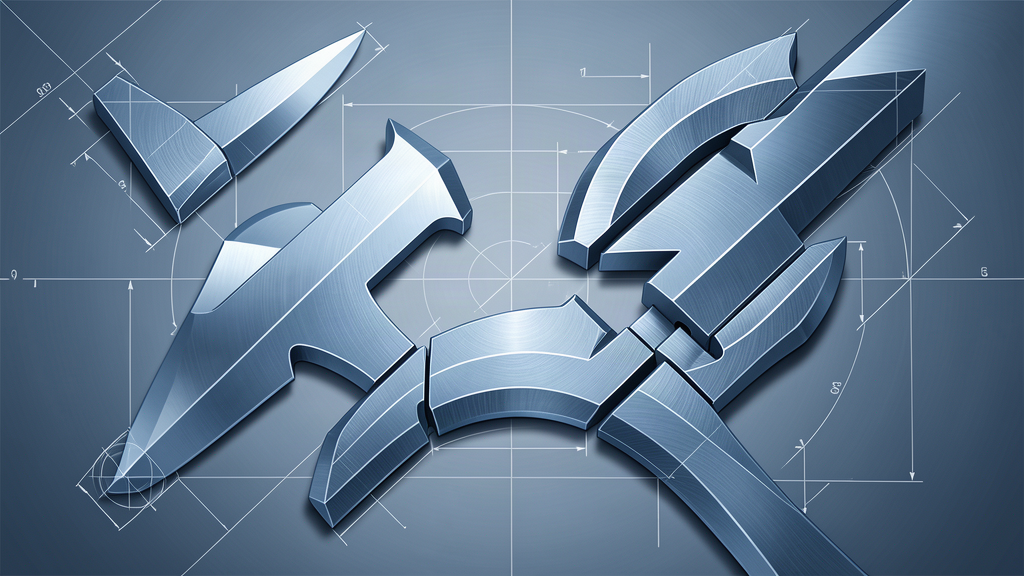
Wharncliffe and sheepsfoot blades look similar at a glance, but they are two distinct shapes with different histories and different cutting personalities. Both are straight-edged utility profiles that have surged in popularity among EDC enthusiasts, and both are showing up in modern folders more than ever. Understanding the difference is the key to choosing the right one for your carry.
Straight edges, different tips: wharncliffe pierces, sheepsfoot protects.
What Is a Wharncliffe Blade?
A wharncliffe blade has a straight cutting edge that runs nearly the full length of the blade, while the spine curves down to meet the edge in a pointed tip. The result is a blade with exceptional tip control and maximum edge length for the blade size. The shape is named after the Wharncliffe family of South Yorkshire, England, and it has been used in traditional pocket knives for well over a century. The modern EDC wharncliffe is prized by tradespeople because its long straight edge excels at precise, slicing cuts.
What Is a Sheepsfoot Blade?
A sheepsfoot blade also has a straight cutting edge, but its spine curves down dramatically toward the tip, which is blunt and positioned low. Originally designed for trimming sheep's hooves without accidentally stabbing the animal, the sheepsfoot is inherently safe-tipped — it slices like a utility knife but has almost no piercing ability. That blunt-tip design made it a favorite for sailors, firefighters, and anyone working in environments where an accidental stab is a real risk.
Key Differences: Wharncliffe vs Sheepsfoot
| Feature | Wharncliffe | Sheepsfoot |
|---|---|---|
| Tip shape | Sharp, pointed | Blunt, low-set |
| Cutting edge | Long and straight | Long and straight |
| Piercing ability | Good | Minimal |
| Tip control | Excellent | Excellent |
| Safety profile | Moderate | Very high |
| Historical use | Pocket knives, shearing | Sheep trimming, maritime |
Which Is Better for EDC?
The answer depends on what your knife mostly does. If you open boxes, cut tape, trim materials, and want a knife that can also pierce when needed, the wharncliffe's pointed tip makes it the more versatile all-rounder. If you work around people, inflatable equipment, or anything where a stabbing tip is a liability, the sheepsfoot's blunt design is the safer choice.
- Choose wharncliffe for: box cutting, craft work, self-defense capability, and maximum edge utility.
- Choose sheepsfoot for: safety-critical environments, maritime work, and utility slicing without piercing.
Both shapes slice through cardboard and packaging impressively well — the straight edge keeps full contact with the cutting surface, unlike curved blades that rock through cuts. For detailed histories of both designs, see the entries on Wharncliffe and sheepsfoot blades.
Modern Knives With These Blade Shapes
Wharncliffe and sheepsfoot profiles appear across the CJRB and Artisan Cutlery catalog — the CJRB Pyrite Wharncliffe is a popular modern example of the straight-edge trend. Explore the Artisan Cutlery catalog to see these blade shapes in production folders.
Final Verdict
Wharncliffe and sheepsfoot blades share a straight-edge philosophy but diverge at the tip: one pierces, the other protects. For most EDC users, the wharncliffe offers the better balance of utility and versatility; for safety-first carry, the sheepsfoot remains the classic choice.
Find your ideal everyday carry configuration — explore the Artisan Cutlery folding knife collection for knives built for reliable everyday carry.

Leave a comment
This site is protected by hCaptcha and the hCaptcha Privacy Policy and Terms of Service apply.