

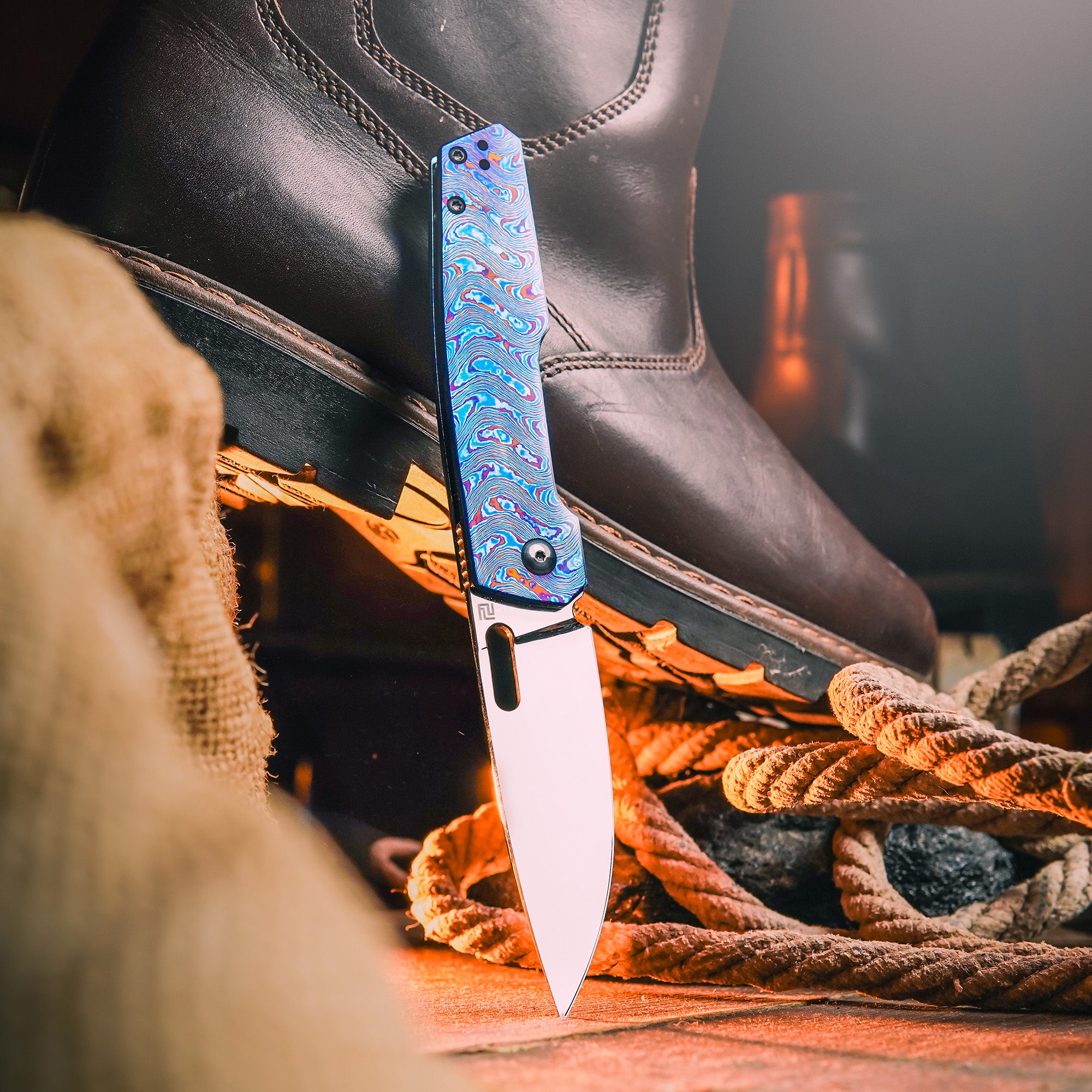
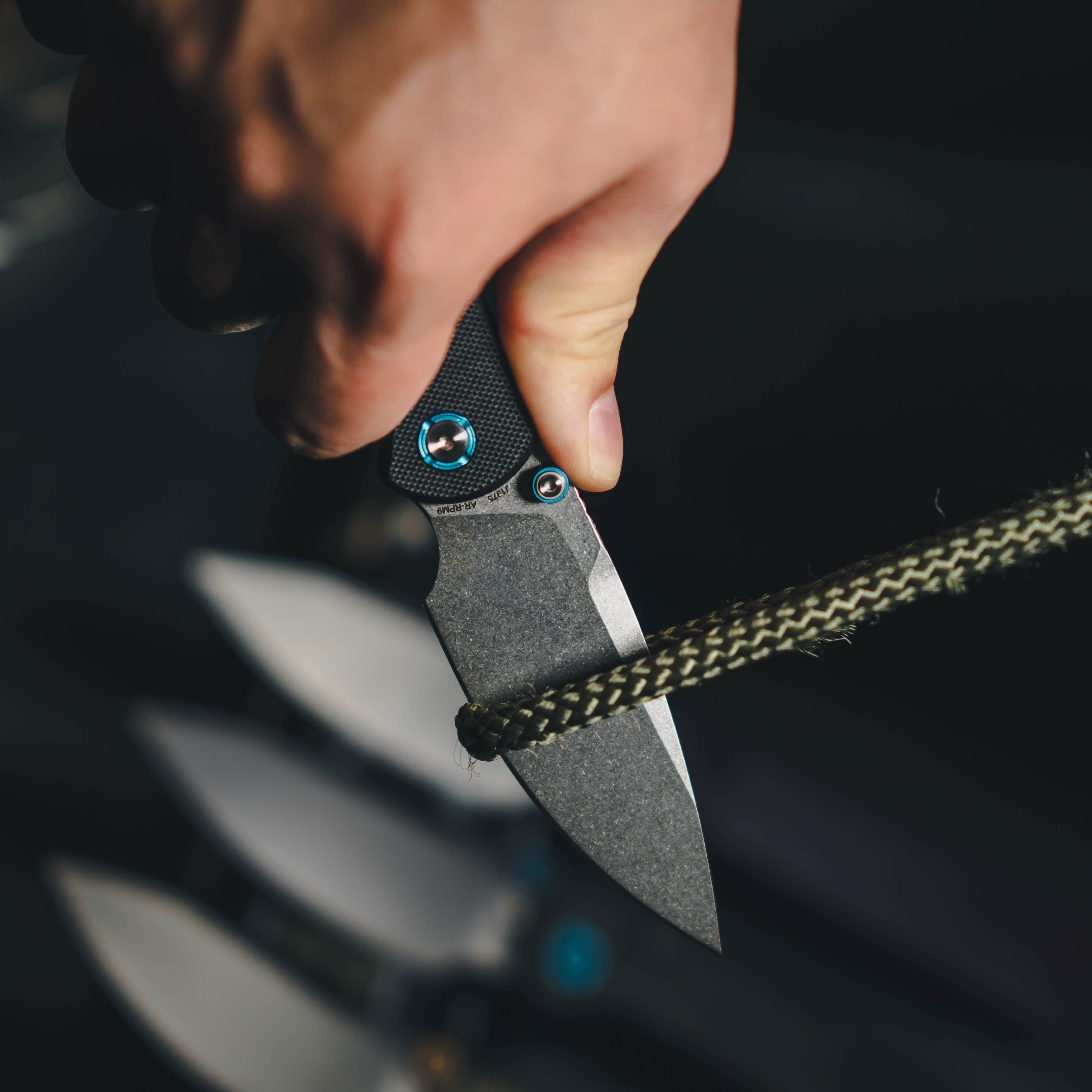


Knives Guide: Types, Materials, and Practical Use
Knives can look simple at first glance, but real performance depends on design details, material behavior, and task fit. This guide organizes those decisions into a practical framework readers can apply immediately.
What knives are
Knives is not a single, fixed category. The label usually covers multiple formats, carry styles, and intended tasks, so readers need a practical definition instead of a vague umbrella term.

A useful opening section on knives should explain where it performs well, which users benefit most from it, and what trade-offs appear once it moves from product page language into daily use.
- Define what counts as knives and what does not.
- Name the most common real-world use cases first.
- Separate functional differences from vague marketing language.
Core types and configurations
The main formats within knives tend to differ in access speed, edge profile, control, and pocket presence. Those differences affect ownership far more than small cosmetic changes.

For Artisan Cutlery, a good type breakdown should help readers separate everyday options from task-specific ones before they start comparing brands, steels, locks, or handle materials.
- Group options by use case, not just by appearance.
- Call out carry size, access speed, and control differences.
- Show which categories suit daily tasks versus specialized work.
Materials and performance differences
Material selection shapes how knives behaves over time. Edge retention, corrosion resistance, toughness, and sharpening effort rarely improve together, so every upgrade changes the balance of ownership.
Readers usually get better guidance when steel, handle material, grind, and heat treatment are discussed together. Real performance comes from the system, not from one premium material name in isolation.
- Compare corrosion behavior against climate and storage habits.
- Balance edge retention against sharpening difficulty.
- Evaluate steel, grind, and heat treatment as one package.
How to choose for your use case
The most reliable way to choose among knives options is to start with the task itself: utility work, food prep, trail carry, collection value, or light daily use. Once the task is clear, feature priorities become much easier to rank.

When two models look close on paper, decision quality usually improves by focusing on lock confidence, handle comfort, carry profile, and maintenance burden. Those factors tend to matter longer than a narrow advantage in raw specs.
- Start with the primary task before browsing specs.
- Set realistic limits for size, weight, and comfort.
- Rank ergonomics and reliability ahead of cosmetic details.
Maintenance and safety basics
Maintenance guidance for knives should stay practical. Most users benefit more from a simple repeatable routine than from an overbuilt care ritual that only sounds impressive on paper.

Regular cleaning, drying, inspection, and light protection where appropriate can prevent the majority of long-term issues before they affect safety, action, or edge quality.
- Clean and dry after hard use or moisture exposure.
- Inspect moving parts, hardware, and contact surfaces regularly.
- Use a simple schedule instead of waiting for visible problems.
Common mistakes and how to avoid them
Many readers approach knives the wrong way at first. They buy for hype, compare only headline specs, or copy someone else's use case without checking whether it matches their own needs.

A stronger article makes those mistakes explicit, then replaces them with a simple evaluation process. That shift turns the page into a decision tool instead of another generic recommendation list.
- Do not buy from steel names alone.
- Do not ignore grip fit or carry comfort.
- Do not expect one setup to excel at every task.
FAQ
What should beginners prioritize first with knives?
Prioritize safe handling, comfort, and reliability before chasing premium specs.
How do I compare two knives options quickly?
Use one checklist: task fit, material behavior, mechanism reliability, carry comfort, and maintenance load.
How often should maintenance be done?
Use a regular schedule based on usage intensity and environment instead of waiting for visible problems.


Leave a comment
This site is protected by hCaptcha and the hCaptcha Privacy Policy and Terms of Service apply.