

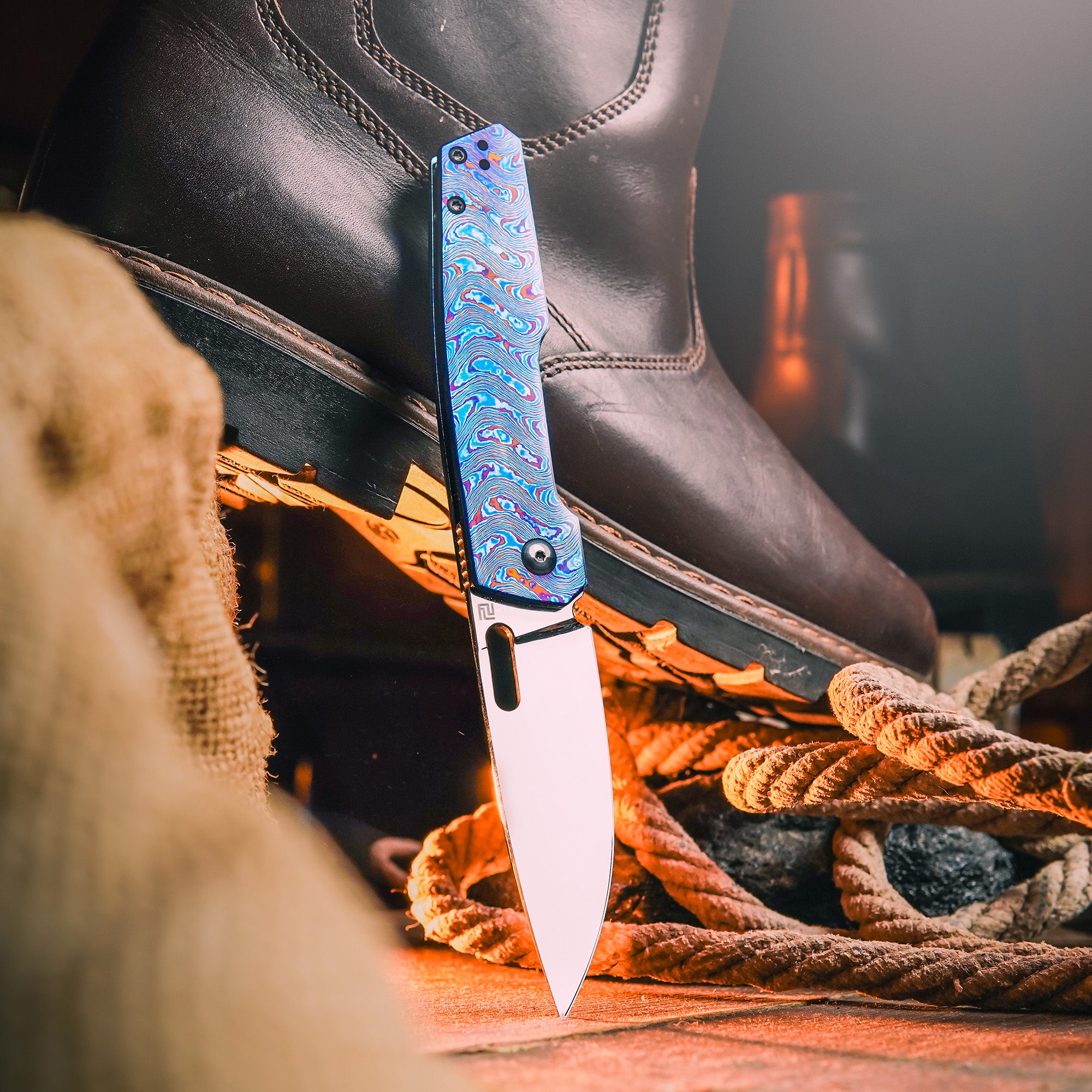
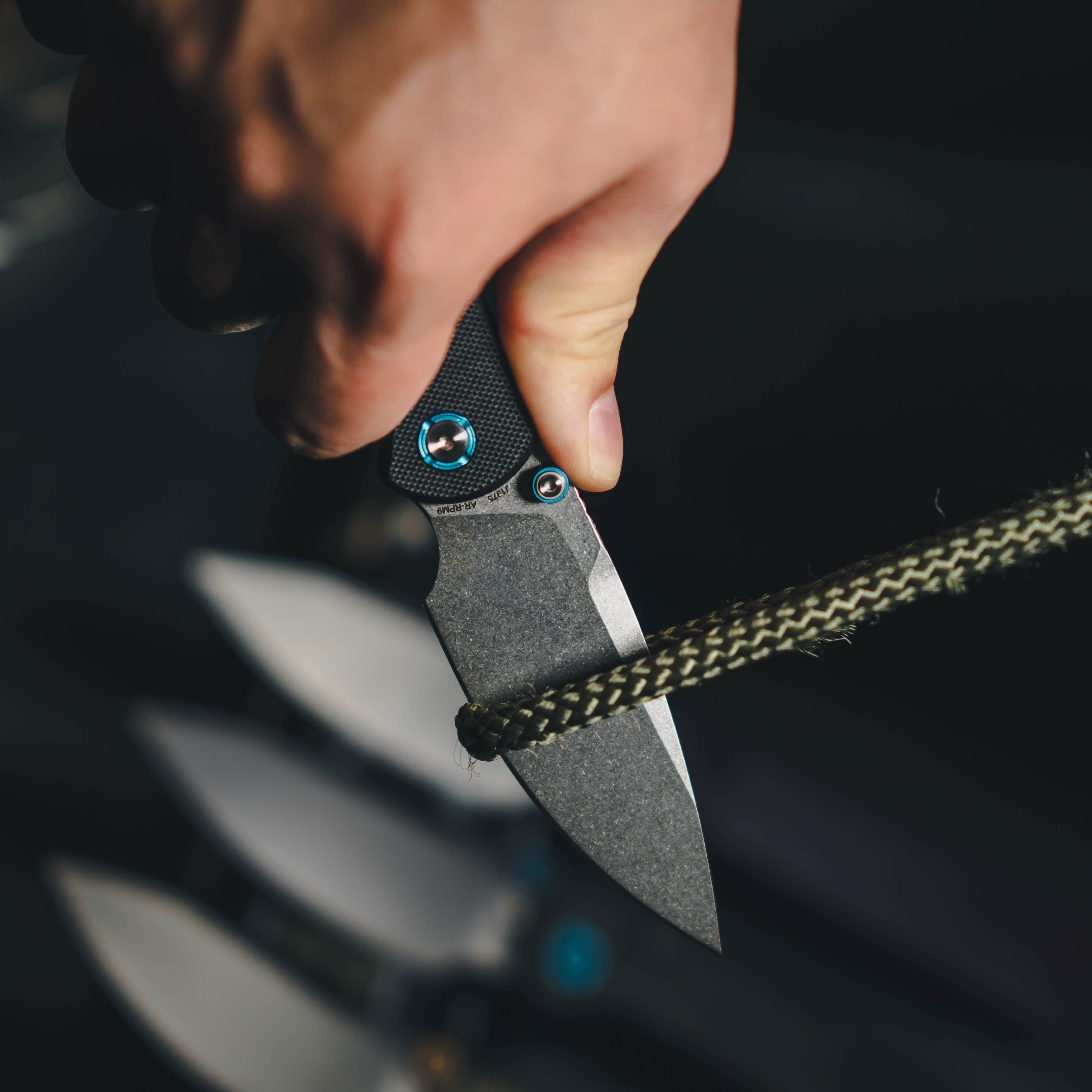
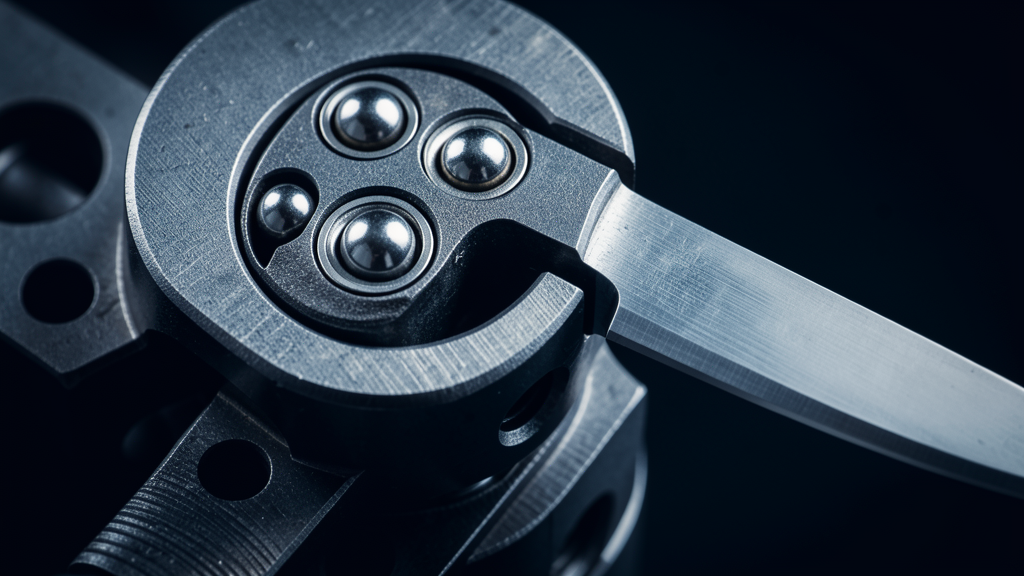
Balisong enthusiasts know that a stock butterfly knife rarely delivers peak performance. Whether you own an entry-level trainer or a premium Artisan Cutlery balisong, aftermarket modifications can transform flip characteristics, reduce play, and elevate the overall experience. This guide covers essential balisong butterfly knife modifications — from pivot tuning and latch removal to custom hardware upgrades — so you can dial in your knife for optimal flipping.
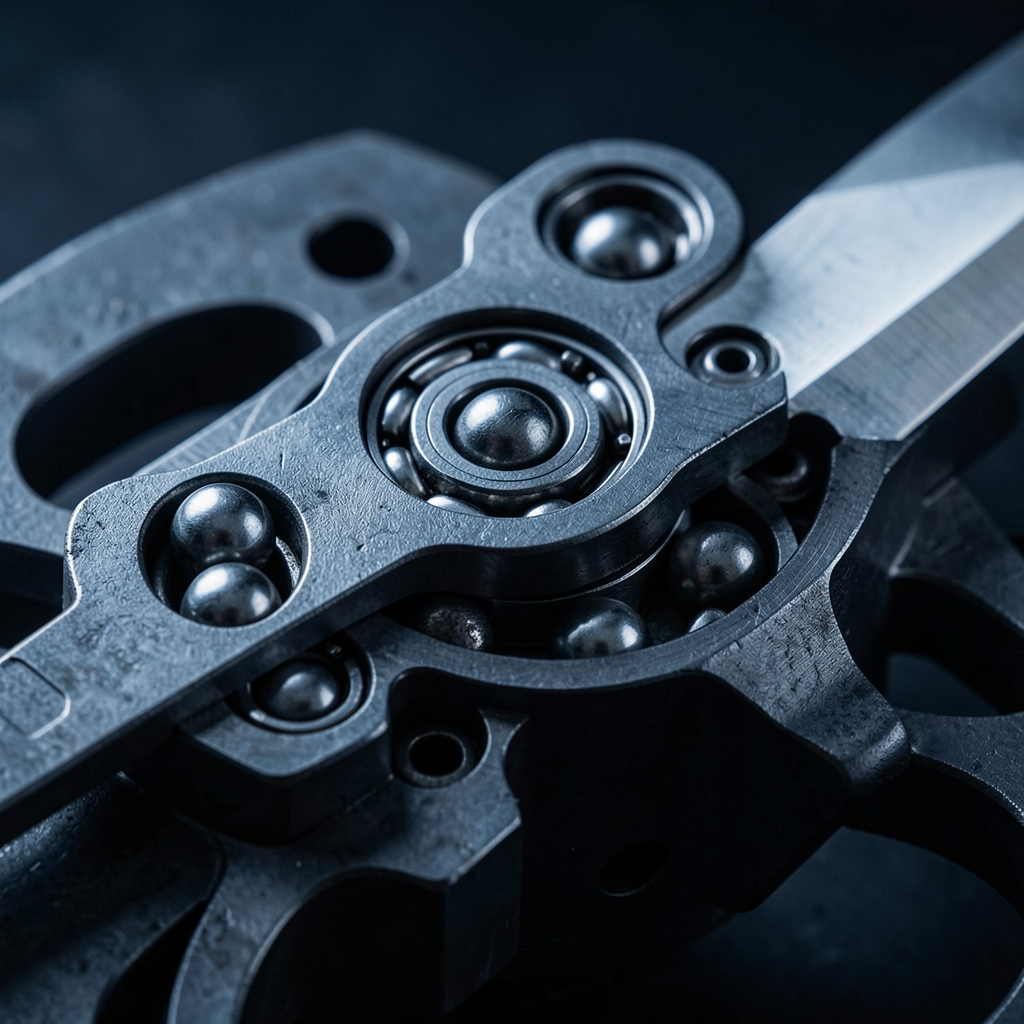
Essential tools for balisong tuning: Torx drivers, Loctite, and pivot lubricant
Why Modify Your Butterfly Knife?
Factory balisongs are built to a price point. Even high-end models benefit from tuning because manufacturers balance production tolerances across thousands of units. Modifications let you address common pain points: handle play, latch noise, pivot friction, and balance. The result is a knife that feels custom — because it is.
Pivot Tuning: The Foundation of Good Action
Understanding Pivot Systems
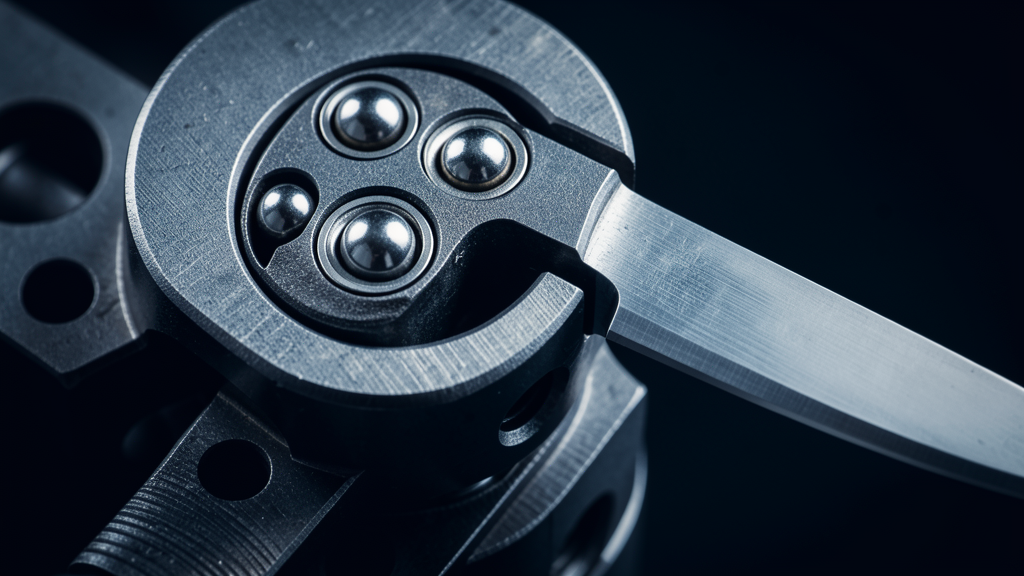
Most modern balisongs use a pivots system with washers (bronze, phosphor bronze, or nylon) or bearings. Tuning involves adjusting pivot screw tension to achieve the ideal balance between smoothness and minimal play.
- Bronze washers — Traditional, require break-in period, smooth over time
- Phosphor bronze washers — Slightly smoother, corrosion-resistant
- Bearing pivots — Ultra-smooth out of the box, less friction (IKBS, multi-row)
- Nylon washers — Budget option, moderate performance
| Washer Type | Smoothness | Break-In | Durability |
|---|---|---|---|
| Bronze | Good | 200-500 flips | Excellent |
| Phosphor Bronze | Very Good | 100-300 flips | Excellent |
| Bearing (IKBS) | Outstanding | Minimal | Good |
| Nylon | Fair | Minimal | Moderate |
How to Tune Pivot Screws
- Back both pivot screws out slightly until the handles swing freely
- Tighten each screw in quarter-turn increments, checking handle swing after every turn
- Stop when there is no vertical blade play but handles still swing under gravity
- Apply blue Loctite (242) to maintain tension long-term
Latch Removal and Alternatives
Latch removal is one of the most popular balisong modifications. The stock latch adds weight, creates noise during flipping, and can catch on tricks.
Latch Removal Options
- Full removal — Unscrew the latch pin and remove the latch completely. Lightens the knife and eliminates latch slap. Requires removing the latch pin weight or leaving empty holes.
- Paracord latch — Replace the metal latch with a paracord loop. Adds grip, reduces noise, maintains closure security.
- Spring latch — Some aftermarket latches use spring tension to stay flush against the handle during flipping.
- Magnetic latch — Rare but excellent option using rare-earth magnets embedded in the handles for silent closure.
Custom Hardware Upgrades
Factory hardware is functional but rarely premium. Upgrading pivots, screws, and handle pins transforms both aesthetics and performance.
- Pivot screws — Titanium pivot screws reduce weight. Black oxide or DLC-coated screws resist wear.
- Barrel spacers — Replace stamped spacers with machined titanium or brass barrel spacers for better balance and weight distribution.
- Zen pin screws — Upgraded zen pin screws prevent stripping during disassembly.
- Handle weights — Aftermarket handle weights tune balance toward handles (handle-heavy) for smoother aerial recovery.
Tuning for Different Flip Styles
- Speed flippers — Lighter pivot tension, latch removed, handle-heavy balance (~52-55% handle weight)
- Tech flippers — Medium tension, moderate handle play tolerance, neutral balance
- Aerial-focused — Handle-heavy balance, latch removed, slightly looser pivots for momentum
Tools You'll Need
- Torx T6, T8, and T10 drivers (quality steel, avoid cheap bits)
- Blue Loctite 242 (threadlocker)
- Isopropyl alcohol (for degreasing pivots)
- Nano-oil or KPL (for lubrication)
- Heat source (soldering iron or hair dryer) for Loctite removal
Final Tips for Customizing Your Balisong
- Document each disassembly with photos — hardware orientation matters
- Go slow on pivot adjustments — eighth-turns make a difference
- Test flip 20-30 times after each adjustment before making another change
- Consider anodizing titanium handles for a custom look (heat anodizing requires no special equipment)
- Always degrease pivots before applying fresh lubricant
For those starting their balisong journey, explore Artisan Cutlery's folding knife collection for premium EDC options that showcase exceptional pivot engineering straight from the factory.
Learn more about balisong history and design on Wikipedia's Balisong page or browse custom hardware at BladeHQ for aftermarket tuning parts.



Leave a comment
This site is protected by hCaptcha and the hCaptcha Privacy Policy and Terms of Service apply.