


If you're shopping for the best balisong trainer, you've probably noticed that prices range from under twenty dollars to several hundred. The difference is rarely about looks. A trainer is a butterfly knife with an unsharpened blade, and the qualities that make it a great learning tool are the same ones that make a live balisong great: weight, balance, and tolerances. This guide breaks down what actually matters, so you spend on the right things and skip the gimmicks.
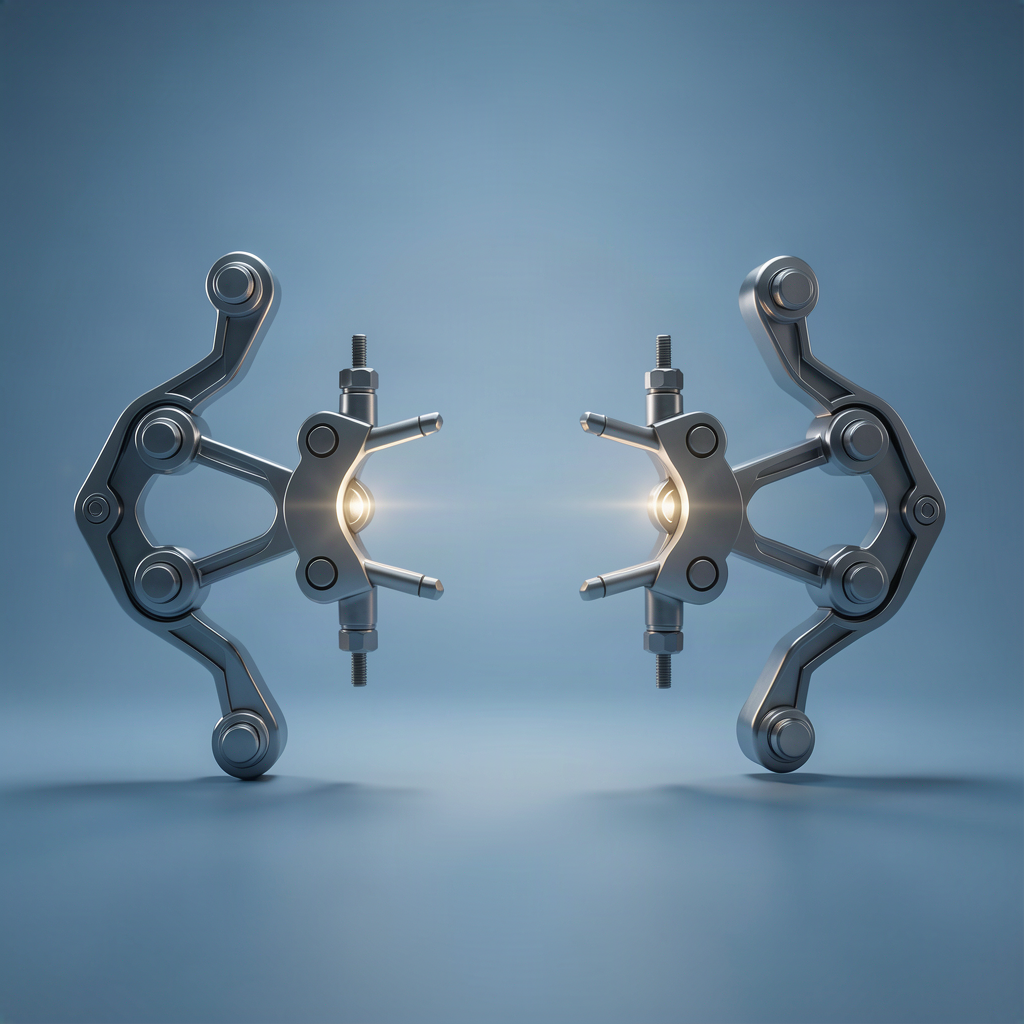
Balance is the second decision after weight: handle-biased trainers feel stable, blade-biased trainers flip faster.
Why Weight Is the First Decision
Weight shapes every flip. A heavier trainer builds wrist strength and slows your movements just enough that you can see and correct mistakes. A lighter trainer is easier to control for smaller hands and lets you chain moves at full speed sooner. Most flippers look for a trainer that lands close to the weight of the live knife they plan to carry, so the muscle memory transfers directly. If you already own a balisong, weigh it and use that number as your target.
- Heavier trainers: more feedback and strength building, with a slower learning curve.
- Lighter trainers: faster and more forgiving, easier for small hands.
- Match trainer weight to your target live knife whenever possible.
Balance: Handle Bias vs Blade Bias
Balance describes where the weight sits when the knife is closed. A handle-biased trainer keeps more weight in the handles, which makes fans and choker-style moves feel stable and controlled. A blade-biased trainer shifts weight toward the blade, adding momentum to rolls and aerials but feeling twitchier for beginners. Channel-style handles tend to be heavier and more handle-biased; sandwich-style construction is lighter and lets makers tune balance with different materials.
Tolerances and Build Quality
Tolerances are the small details that decide whether practice is a pleasure or a chore: pivot play, screw quality, and how precisely the handles close. The best balisong trainer opens and closes with smooth, consistent resistance and minimal lateral play. Tap (the blade kissing the handles) and play (wobble at the pivots) are common on cheap trainers and they teach sloppy habits. Check the hardware too — tunable torx screws and a latch that doesn't rattle. A quiet trainer is usually a well-toleranced one.
Handle Materials Compared
| Material | Feel | Best For |
|---|---|---|
| Aluminum | Light and affordable, dents over time | Budget builds and small hands |
| Steel | Heavy, durable, most realistic weight | Strength training and live-blade feel |
| Titanium | Premium, light but stiff, higher cost | Long-term, carry-grade trainers |
The Blade: Safe Shape, Serious Feel
Trainer blades are unsharpened but still shaped like a live balisong blade, which keeps the proportions — and therefore the flipping behavior — honest. Some trainers add a rounded false edge for a more realistic profile, while others use a flat bar with a hole pattern. Blade finish matters less than geometry: what you want is a shape that mimics the knife you'll eventually carry.
What to Avoid in a Beginner Trainer
- Trainers with sharp-edged hardware or rough pivots that can cut during practice.
- Ultra-cheap models with excessive tap and play — they reward bad technique.
- Novelty shapes that don't mimic a real balisong's proportions and balance.
The Bottom Line
Start with weight and balance, then check tolerances before you commit. A mid-priced trainer with good materials and clean pivots will teach you more than a flagship knife you're afraid to flip. Once the muscle memory is there, the skills transfer straight to a live balisong — and to any pocket knife that earns a spot in your rotation.
Trainer in hand and ready to upgrade? Explore premium folding knives built to the same standards — browse the Artisan Cutlery folding knife collection for reliable everyday carry.


Leave a comment
This site is protected by hCaptcha and the hCaptcha Privacy Policy and Terms of Service apply.