

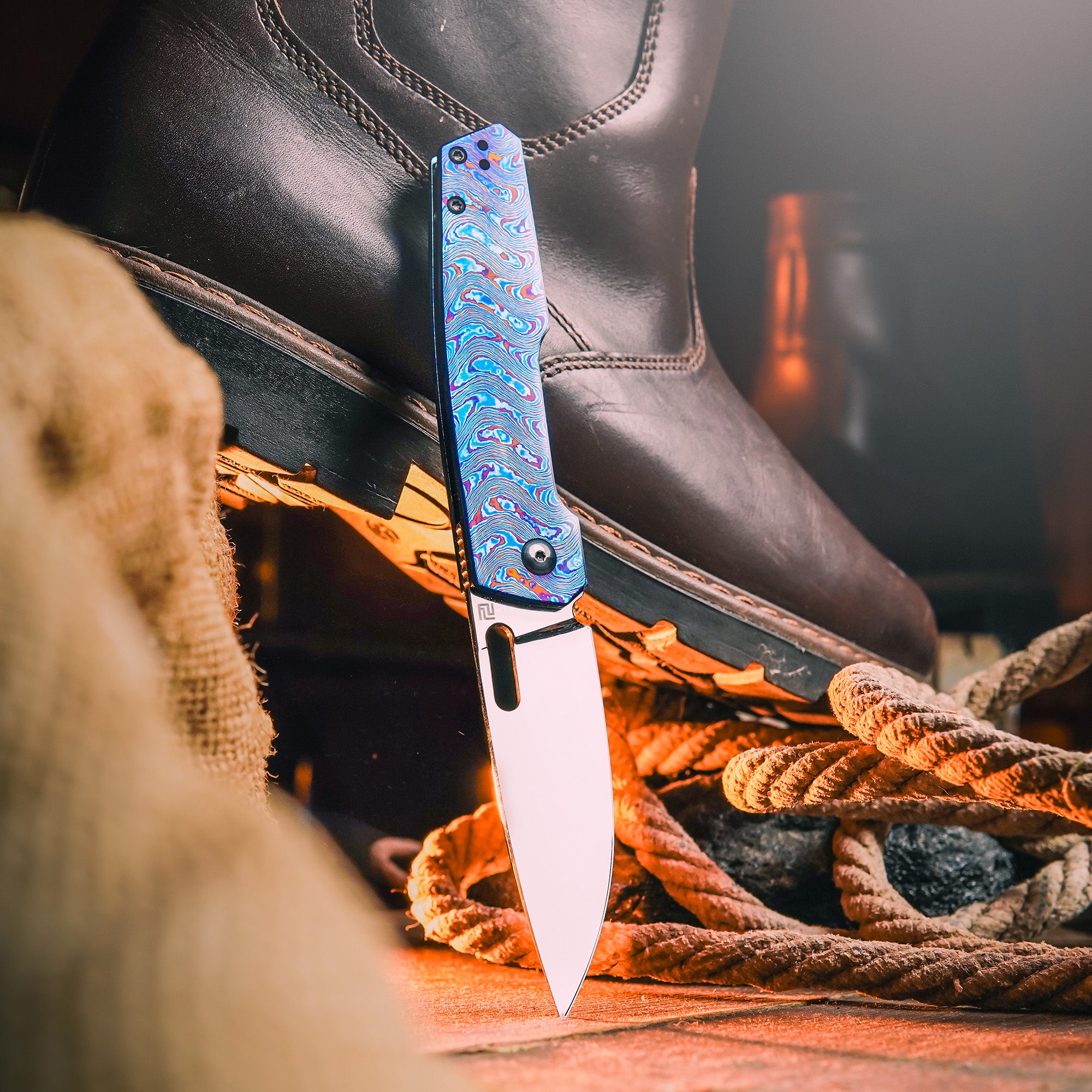
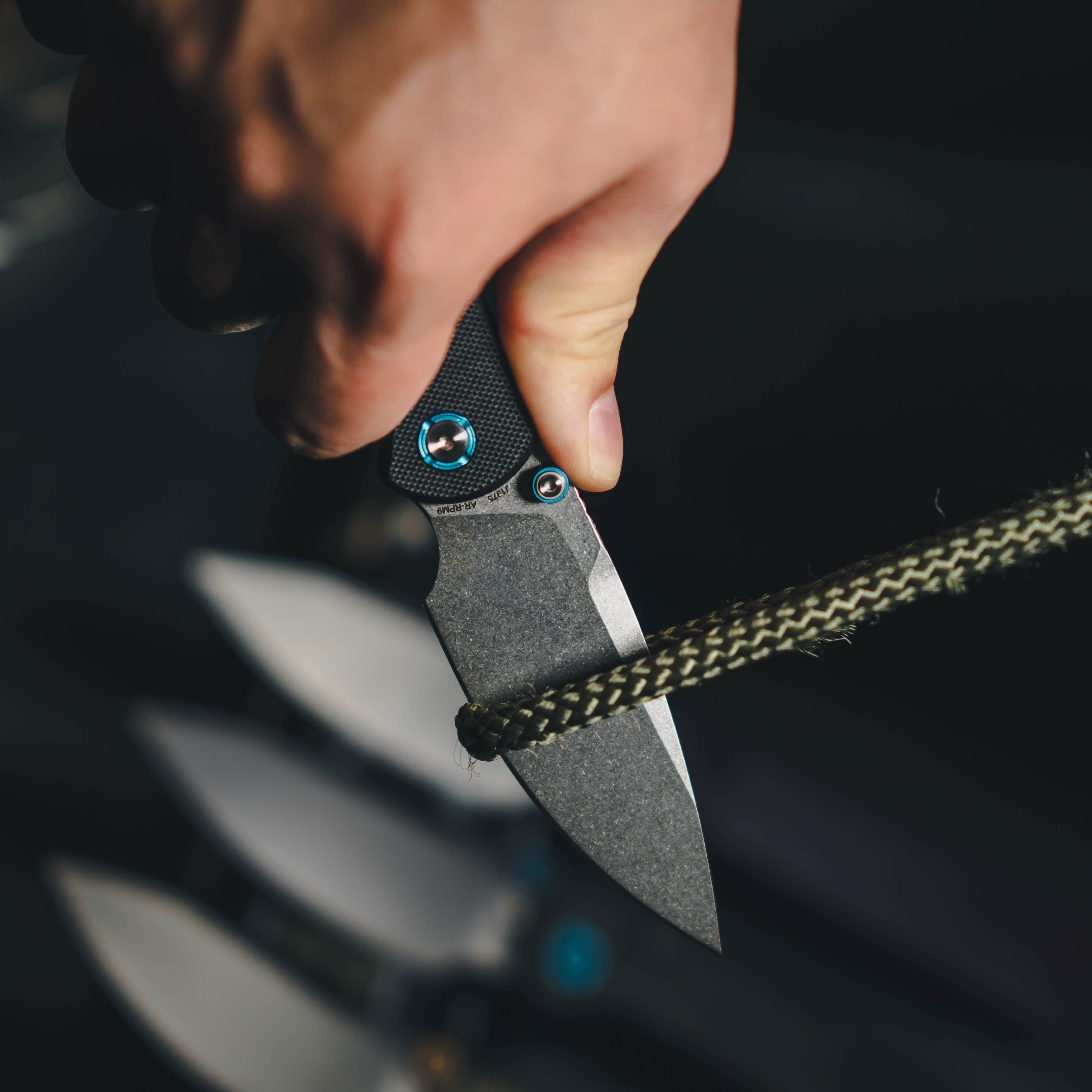

Knife collecting is often described as a solitary hobby — a stack of boxes, a rotation of carry knives, a shelf of display cases. In practice, the most successful collectors do almost nothing alone. The community is where you learn what's rare, verify what's genuine, and find pieces that never appear in retail stores. This guide maps the collecting community: in-person shows, online forums, and the secondary market that connects them.
Shows, forums, and the secondary market each play a role: in-person handling, archived knowledge, and access to sold-out runs.
Why the Community Matters
Collecting knowledge compounds fastest around other collectors. A single conversation at a show table can teach you more about a maker's history than a week of searching. Community members share early access to drops, warn each other about counterfeit runs, and track price history better than any database. If you collect seriously, community access is not a nice-to-have — it's how the hobby works.
Knife Shows and Expos
Blade Show in Atlanta is the largest annual gathering of the knife world, drawing manufacturers, custom makers, and thousands of collectors under one roof. Regional shows across the country offer a smaller, friendlier version of the same experience: maker tables, dealer booths, and plenty of knives you can handle before you buy. Shows are also where limited and prototype pieces surface first, and where you can talk directly to the people who made the knives you carry.
Online Forums and Social Communities
Dedicated knife forums remain the backbone of the hobby — decades of archived threads on steel behavior, design history, and honest reviews. Social platforms add speed: collector communities on Reddit and Facebook run daily sales and discussion threads, while Instagram and YouTube build a visual record of new releases and custom work. The pattern is the same everywhere: introduce yourself, read before you post, and let reputation build slowly.
The Secondary Market
Discontinued models, sprint runs, and custom pieces surface on the secondary market weeks or years after they sell out. Forum exchange areas, auction sites, and private sales all have their own etiquette. Prices on the secondary market are driven by condition, rarity, provenance, and whether the knife comes with its original packaging — which is why serious collectors keep boxes and paperwork.
Buying Safely in the Community
- Check feedback scores and post history before any transaction.
- Ask for detailed photos — both sides of the blade, pivot area, edge, and packaging.
- Compare the asking price against recent completed sales of the same model.
- Use payment methods with buyer protection for your first transactions.
- When in doubt, post a verification thread — the community is fast at spotting fakes.
Where to Buy and Connect
| Channel | Best For | Watch Out For |
|---|---|---|
| Knife shows | Handling pieces in person, meeting makers | Travel cost, impulse buys |
| Forums | Deep knowledge, rare sales | Slow pace, reputation required |
| Social media | Fast deals, current trends | Scams, mislabeled listings |
| Auction sites | Rare and discontinued finds | Condition exaggeration, shipping |
Building Your Circle
Start small: attend one show, join one forum, follow a few makers whose work you admire. Ask questions and show what you carry. The collectors who last in this hobby are the ones who treat it as a conversation, not a transaction — and that conversation is covered in dedicated knife magazines like Blade magazine and the broader tradition of collecting as a lifelong pursuit.
Ready to start or grow your collection? Explore premium folders and limited runs in the Artisan Cutlery folding knife collection — built for reliable everyday carry.


Leave a comment
This site is protected by hCaptcha and the hCaptcha Privacy Policy and Terms of Service apply.