



Your EDC Knife Is Just the Beginning
A folding pocket knife is the cornerstone of any well-rounded everyday carry kit, but true preparedness extends beyond a single blade. Building a complete EDC system means choosing tools that complement your knife without duplication, covering the most common daily challenges with minimal bulk. Whether you're new to EDC or refining an existing setup, these essentials will transform how you approach daily carry.
The Core Four EDC Categories
Most EDC enthusiasts organize their carry into four functional categories. Here's what each covers and the key items to consider:
1. Cutting (Your Knife)
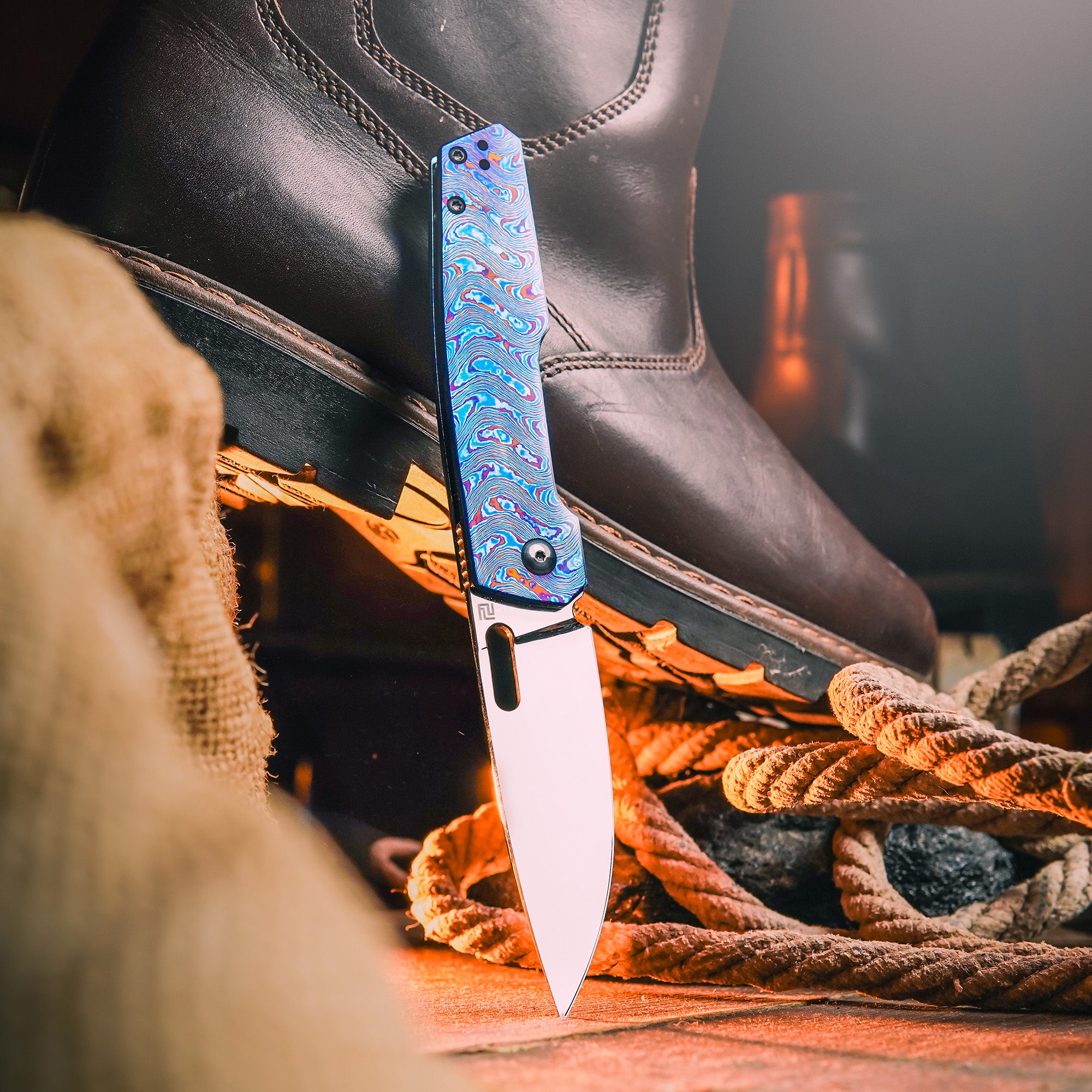
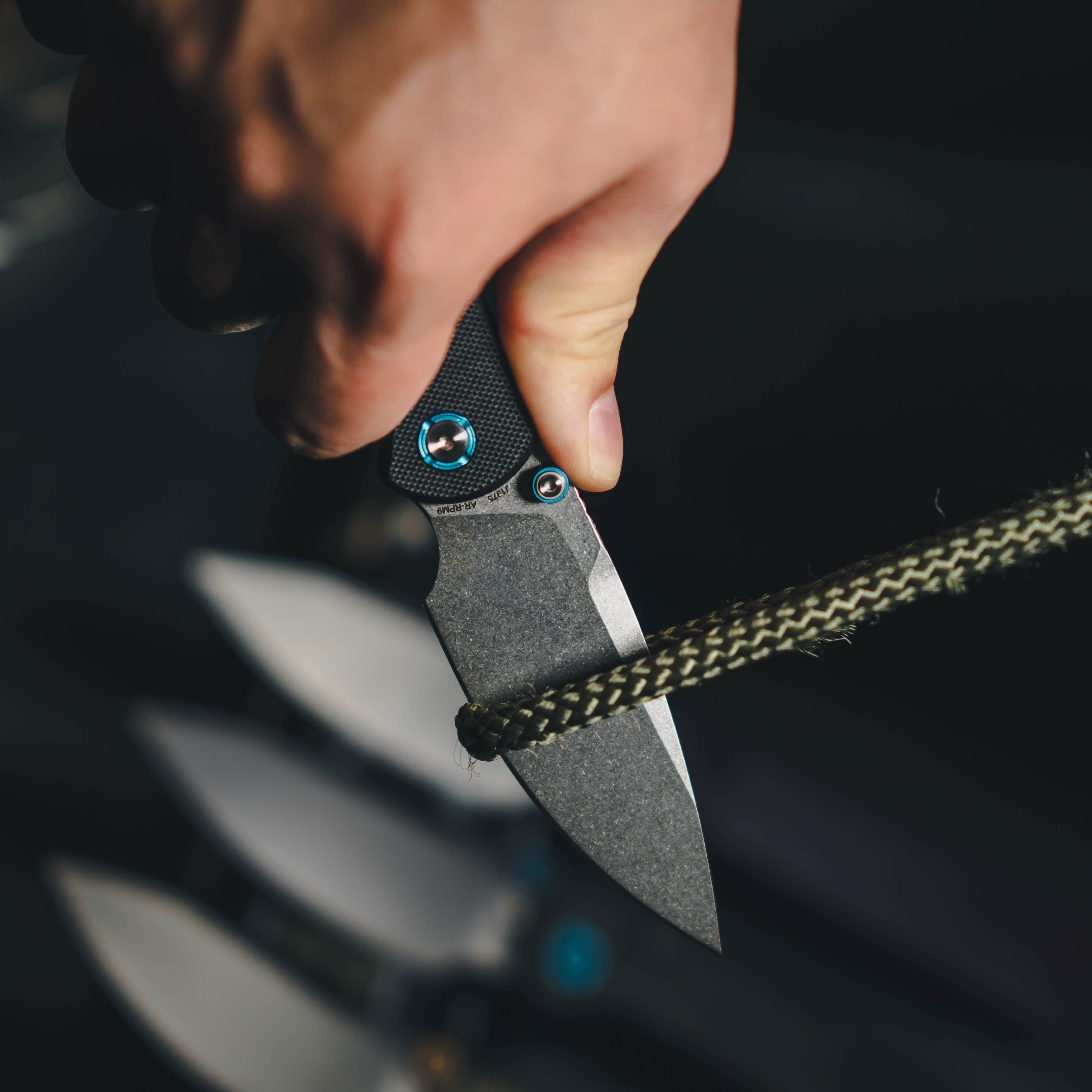
Your primary cutting tool handles 80% of daily tasks — opening packages, cutting cord, food prep, and general utility. A quality folding knife like those in Artisan Cutlery's collection serves as your foundation. Look for reliable lockup, a blade steel that matches your maintenance habits (D2 for edge retention, 14C28N for easy sharpening), and ergonomics that feel natural in hand.
2. Illumination (Flashlight)
A dedicated EDC flashlight is arguably the second most important tool after your knife. Modern keychain and pocket flashlights produce 100–500 lumens in packages smaller than your thumb. Consider:
- Battery: Rechargeable (USB-C) or common CR123/AA — avoid proprietary batteries
- Output: 150–300 lumens is sufficient for 90% of EDC tasks
- UI: Simple tail-switch or twist operation is more reliable than multi-mode electronics
- Clip: Deep-carry pocket clip for hat-bill carry (hands-free use)
3. Multi-Tool or Pry Bar
While your knife handles cutting, a multi-tool or dedicated pry bar tackles tasks your blade shouldn't — prying, screwing, poking, and scraping. Options range from full-size multi-tools with pliers to minimalist pry bars that weigh under an ounce. Choose based on your daily needs:
- Office worker: Compact pry bar + scissors
- Trade/field worker: Full multi-tool with pliers, screwdrivers, and wire cutter
- Minimalist: Credit-card-sized multi-tool in your wallet
4. Writing Instrument
A reliable pen is a surprisingly essential EDC item. Tactical or everyday pens offer durability, refill compatibility, and discreet self-defense capability. Look for machined aluminum or titanium construction, pressurized ink cartridges (write upside-down, on wet paper), and a compact form factor. Many EDC pens are no larger than a standard marker and clip easily into a pocket or notebook cover.
EDC Gear Comparison Table
| Category | Essential Item | Budget Option | Premium Option | Key Feature |
|---|---|---|---|---|
| Cutting | Folding Knife | D2 steel/G10 | MagnaCut/Titanium | Reliable lock + ergonomics |
| Light | EDC Flashlight | 100 lm keychain | 500 lm titanium | Rechargeable + compact |
| Utility | Multi-tool/Pry | Mini pry bar | Full-size multi-tool | Pliers + screwdrivers |
| Write | EDC Pen | Aluminum bolt pen | Titanium click pen | Pressurized cartridge |
| Carry | Pocket Organizer | Nylon sleeve | Leather organizer | Reduces pocket clutter |
Expanding Your Kit: Advanced EDC Additions
Once you've covered the core four, consider these value-adding items based on your lifestyle:
- Portable Power: A slim USB-C power bank keeps your phone and flashlight charged
- First Aid: A minimalist trauma kit with gauze, tape, and止血带 fits in a pocket or bag
- Fire Source: A ferro rod or quality lighter for outdoor or emergency scenarios
- Notebook: A pocket-sized field notes book for jotting ideas, sketches, or directions
- Paracord Bracelet: 4–12 feet of 550 paracord for emergency lashing or gear repair
Balancing Weight and Utility
The golden rule of EDC is to carry what you'll actually use. A full pocket of gear you never touch is just weight. Start with your knife (choose a quality folder from a reputable maker), add a flashlight, then layer in additional items only after you genuinely need them. This gradual approach prevents burnout and ensures each tool earns its pocket space. Build your foundation around a great folding knife from Artisan Cutlery's lineup and expand thoughtfully from there.


Leave a comment
This site is protected by hCaptcha and the hCaptcha Privacy Policy and Terms of Service apply.