

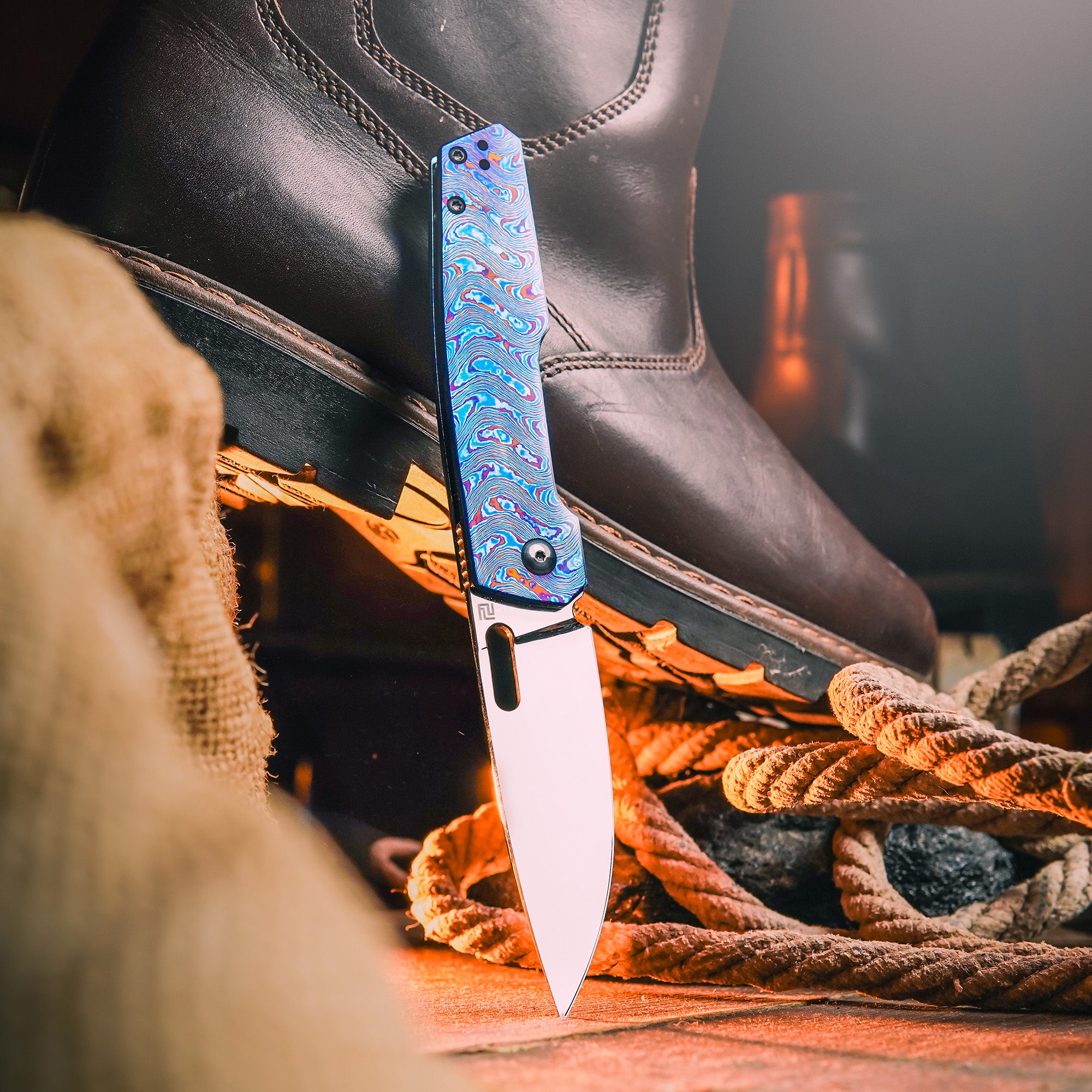
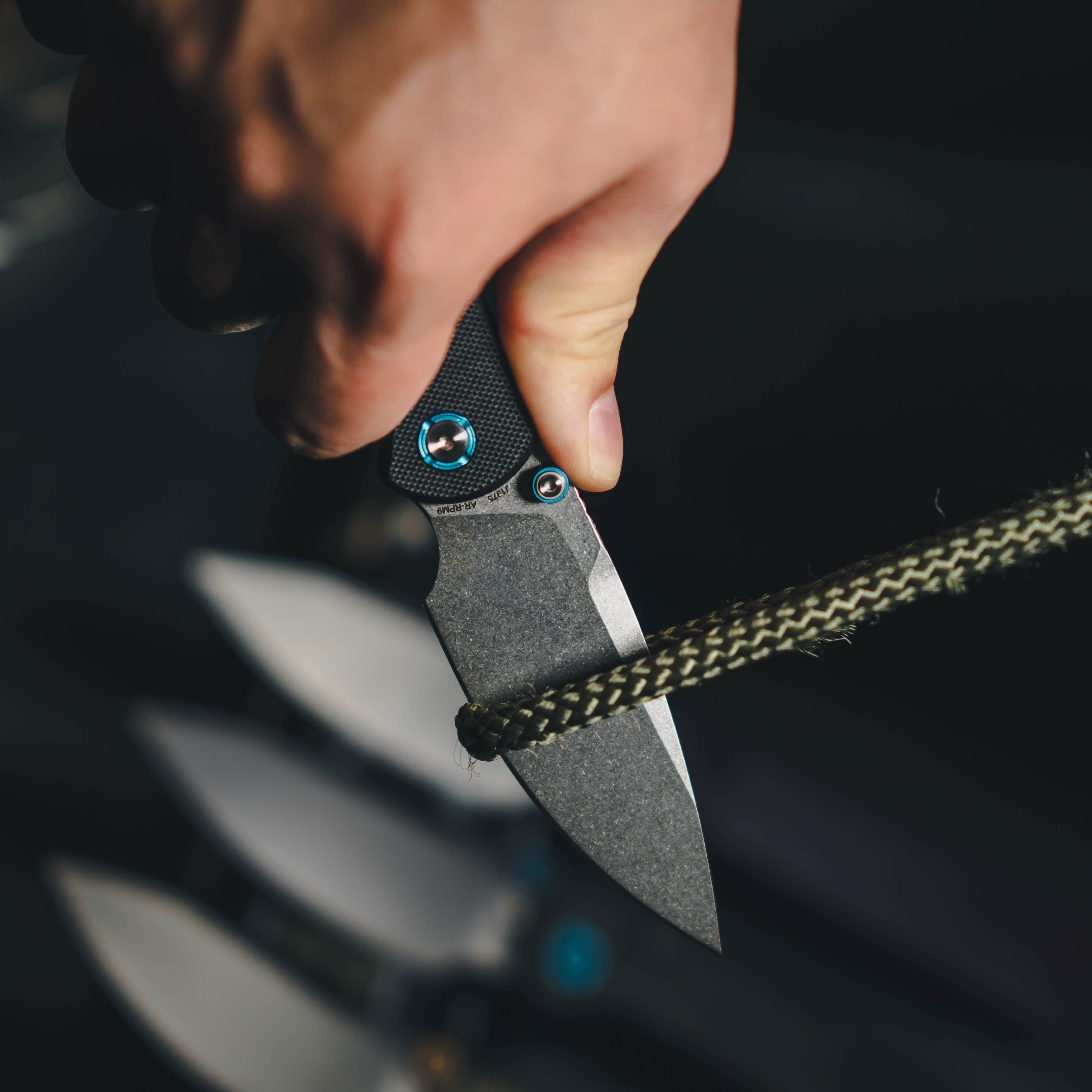


The butterfly knife — also known as a balisong — is one of the most distinctive folding knife designs ever created. While often associated with flipping tricks and cinematic flair, the balisong has practical roots as an everyday carry tool. Understanding how to carry a butterfly knife safely, legally, and effectively can open up a unique EDC experience for those willing to learn its nuances.

A balisong in the EDC rotation requires understanding both mechanics and legal context.
Why Carry a Butterfly Knife for EDC?
Balisongs offer several practical advantages that make them compelling EDC tools. The clamshell design provides exceptional blade protection when closed — the blade nests entirely between two handles, keeping the edge isolated from pocket contents. When deployed, the long handle length offers excellent ergonomic leverage for cutting tasks.
- Blade protection — fully enclosed when closed, no edge contact with pocket items
- Dual-handle ergonomics — long handles provide leverage and control
- One-handed deployment — practiced users can open with a single motion
- Unique aesthetic — distinctive design that stands out in any collection
Legal Considerations: What You Need to Know
Before adding a balisong to your daily carry, understand the legal landscape. Butterfly knife laws vary significantly by state and locality. Some jurisdictions restrict carry based on blade length, while others prohibit balisongs entirely.
- Restricted states — several states explicitly regulate or prohibit butterfly knife carry
- Blade length limits — some areas cap blade length at 3 or 4 inches
- Concealed carry rules — how you carry matters legally in many jurisdictions
- Local ordinances — city and county laws may differ from state statutes
Always research your specific jurisdiction before carrying any folding knife, especially one with a distinct mechanism like the balisong. When in doubt, consult local legal resources.
Carry Methods for Everyday Balisong Use
Carrying a butterfly knife differs from a standard folding knife. The wider handle profile affects pocket clip placement and carry comfort. Here are the most common approaches:
| Carry Method | Pros | Cons |
|---|---|---|
| Tip-up pocket clip | Quick one-handed deployment, natural draw | Handle exposed above pocket line |
| Tip-down pocket clip | Better concealment, blade-open upon draw | Slower deployment, orientation-dependent |
| Deep carry clip | Low profile, concealed carry | Harder to grip during draw |
| Pouch carry | Secure, no pocket wear, horizontal option | Additional EDC item, slower access |
Real-World Balisong Skills
If you carry a butterfly knife daily, practical skills matter more than flashy tricks. Focus on these core competencies:
- Safe closing — the most important skill. Learn to close your balisong safely without pinching or dropping
- Efficient deployment — a quick, controlled open that doesn't alarm bystanders
- Pivot maintenance — balisongs need pivot tuning more than standard folders; learn to adjust tension
- Latch management — know your latch type (spring, paracord, or none) and how it affects carry
Choosing a Balisong for EDC
Not every butterfly knife is suitable for daily carry. Key factors include handle material for grip, blade steel for edge retention, and overall weight. Titanium-handled balisongs offer corrosion resistance and strength, while G10 and aluminum handles provide lighter options. Blade steels commonly found in balisongs range from 14C28N for corrosion resistance to D2 and S35VN for edge retention.
Explore the folding pocket knives at Artisan Cutlery for designs that balance carry-friendly dimensions with premium materials.
Daily Maintenance for Your EDC Balisong
A carried butterfly knife accumulates pocket lint, dust, and moisture faster than a standard folder due to its exposed pivot area. Weekly pivot cleaning, proper lubrication, and periodic screw checks keep the action smooth and safe. Store your balisong clean and dry to prevent handle material degradation and pivot wear.
For more on balisong design and construction, Wikipedia's balisong article offers a solid technical overview, and Knife Steel Nerds covers the metallurgy behind common balisong blade steels.



Leave a comment
This site is protected by hCaptcha and the hCaptcha Privacy Policy and Terms of Service apply.