

If you flip a butterfly knife long enough, you will hear it: the sharp clack of the handles slapping together as the knife closes. For beginners it sounds like a broken knife. For experienced flippers it is usually just background noise. But when that clack turns into a rattle, or when the blade tip starts tapping the inside of the handle on every close, it is time to look closer at the pivot and pin system.
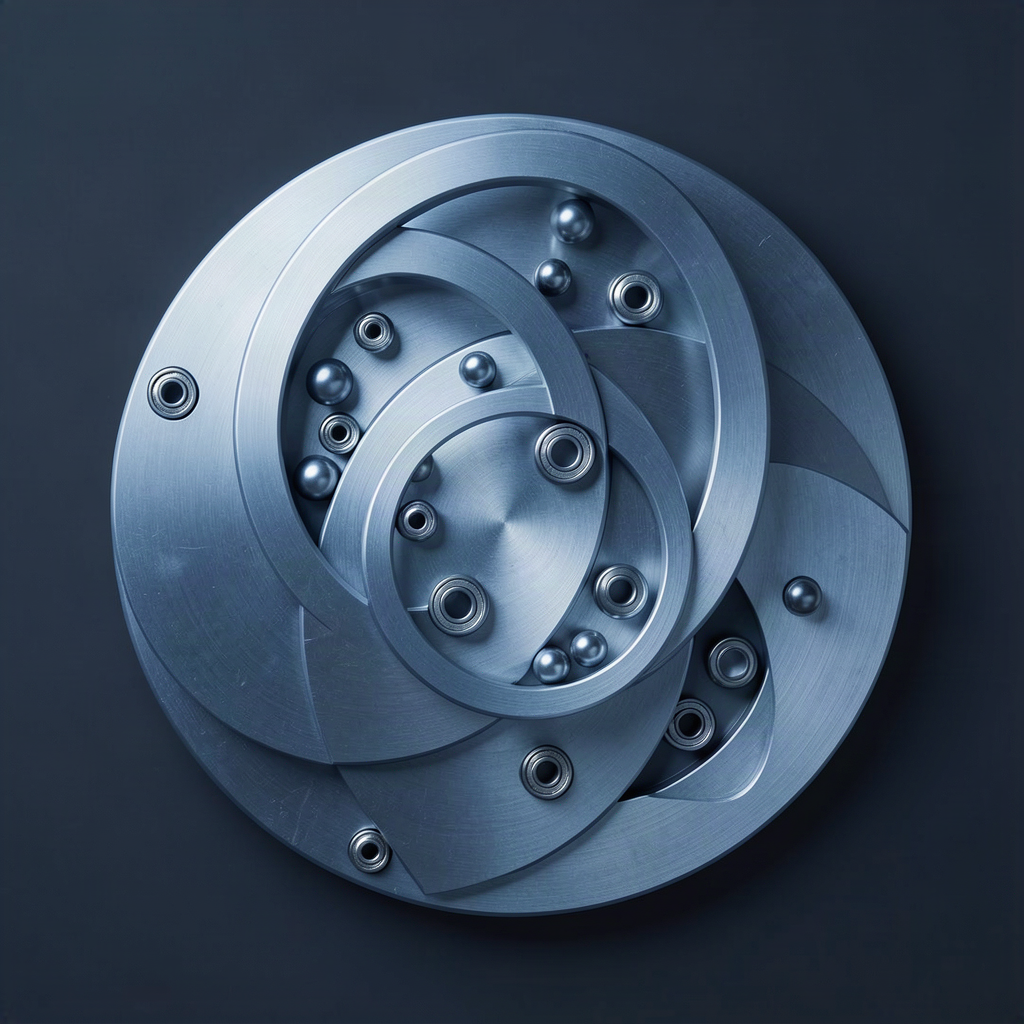
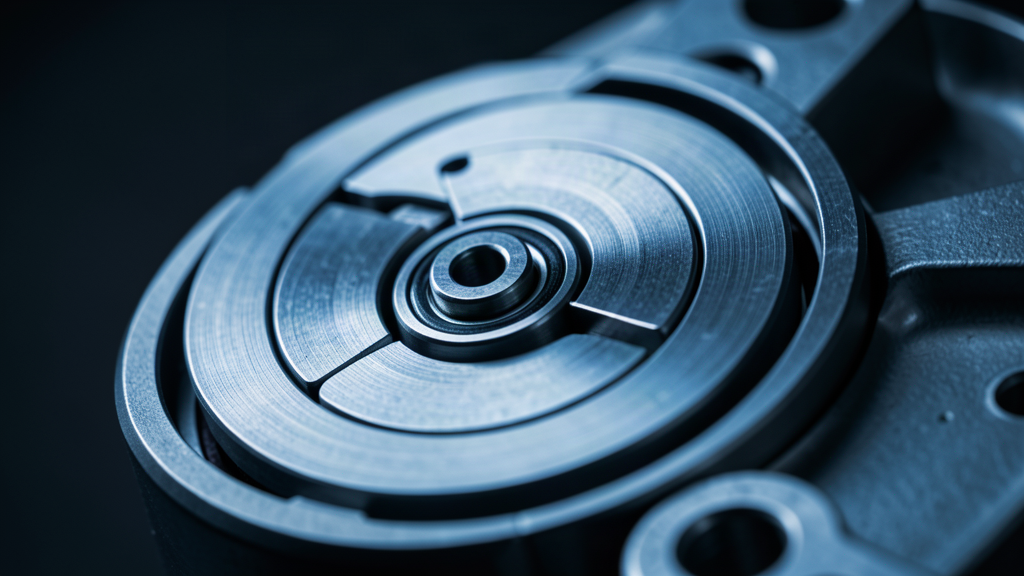
A balisong pivot and washer stack — the area where handle slap usually starts.
What Is Butterfly Knife Handle Slap?
Handle slap is the sound and impact produced when the two handles of a balisong meet as the knife closes. A butterfly knife is a folding knife with two handles that rotate around a single pivot, and when the blade folds between them the handles collide on the closing stroke. On tang-pin (zen pin) designs, hardened pins or blade shoulders stop the handles at the right point. When those stops are worn, misaligned, or under too little tension, the handles slam into each other harder than they should.
Some handle slap is a natural part of how a butterfly knife works — the handles have to meet, after all. The problem is when the slap becomes excessive, loud, or inconsistent, because that usually means something in the mechanism is out of spec.
Handle Slap vs Tap vs Blade Play
Balisong enthusiasts use three related terms that are easy to confuse:
| Term | What it is | What it sounds like |
|---|---|---|
| Handle slap | The handles smacking together when the knife closes | A loud clack on every close |
| Tap | The blade tip lightly touching the inside of the handle | A tick or rattle during flips |
| Blade play | Side-to-side wiggle of the blade at the pivot | A loose, sloppy feel; no sound |
- Handle slap is about the handle-to-handle contact point.
- Tap is blade-to-handle contact and is very common on trainer balisongs.
- Blade play is pivot looseness and is usually the easiest to fix.
What Causes Handle Slap?
Most handle slap traces back to one of a handful of causes:
- Loose pivot tension — the most common cause. When the pivot screws back out slightly, the blade and handles develop slack that turns into slap.
- Worn or uneven washers — washers that have worn unevenly let the blade sit at an angle, changing where the handles meet.
- Worn tang pins or zen pins — pins that have mushroomed or worn down stop the handles later than they should.
- Debris in the pivot — grit and old lubricant can create a rough, loose pivot over time.
- Handle misalignment — a bent or warped handle changes the geometry of the close.
How to Fix Handle Slap
- Tighten the pivots evenly. Use the correct driver size, snug both pivots a quarter-turn at a time, and check the action after each step. Stop the moment the blade stops swinging freely.
- Clean and re-lubricate. Disassemble the knife, wipe the pivot, blade tang, and washers clean, then apply a thin film of light oil or a quality knife lubricant before reassembly.
- Replace worn washers. If the washers show uneven wear or a lip, new ones of the correct size and material can restore the original geometry.
- Re-seat or replace tang pins. Mushroomed pins can sometimes be stoned back to shape; badly worn pins should be replaced.
- Use thread-locker. A drop of medium-strength thread-locker on the pivot screws keeps tension from walking out during heavy flipping sessions.
- Know when to stop. On inexpensive trainers, a little slap is normal and often unfixable without parts. Over-tightening to silence it will bind the action and ruin the flip.
When Handle Slap Is Normal
Not every balisong needs to be silent. Pinless designs, budget trainers, and knives with looser factory tolerances often slap from day one without any defect. What matters is consistency: a knife that slaps the same way on every close is functioning as designed. A knife whose slap gets louder over time, or that develops tap mid-flip, needs attention.
Preventing Handle Slap
- Store the knife closed, not under spring tension.
- Check pivot tension every few months as part of routine maintenance.
- Keep the pivot clean — debris is the quiet killer of smooth balisong action.
- Avoid flipping over hard surfaces that can bend a handle on a missed catch.
Handle slap is rarely a reason to retire a knife. Understand what it is, diagnose the cause, and a few minutes with a driver and some oil will usually put the clack back where it belongs.
Looking for a premium folding knife with a tuned, reliable action? Explore the Artisan Cutlery folding knife collection for EDC folders built for reliable everyday carry.


Leave a comment
This site is protected by hCaptcha and the hCaptcha Privacy Policy and Terms of Service apply.