

Copper and brass handles on EDC knives offer a unique combination of heft, thermal conductivity, and aesthetic evolution that no other handle material can replicate. Unlike titanium or G10, copper and brass develop a natural patina over time that records your carry history in the metal itself. However, these materials require specific care to keep them looking their best — whether you prefer a bright polished finish or a rich, aged patina. This guide covers everything you need to know about copper and brass knife handle care.
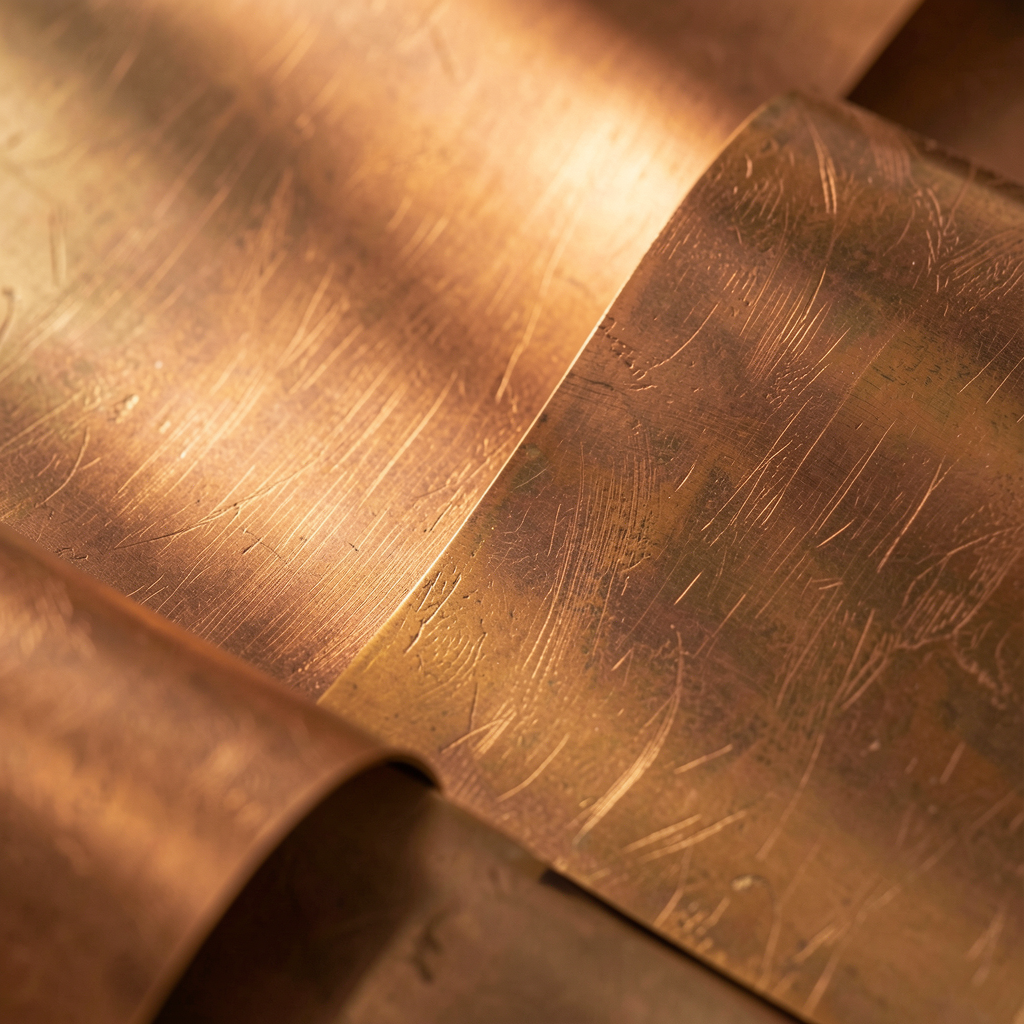
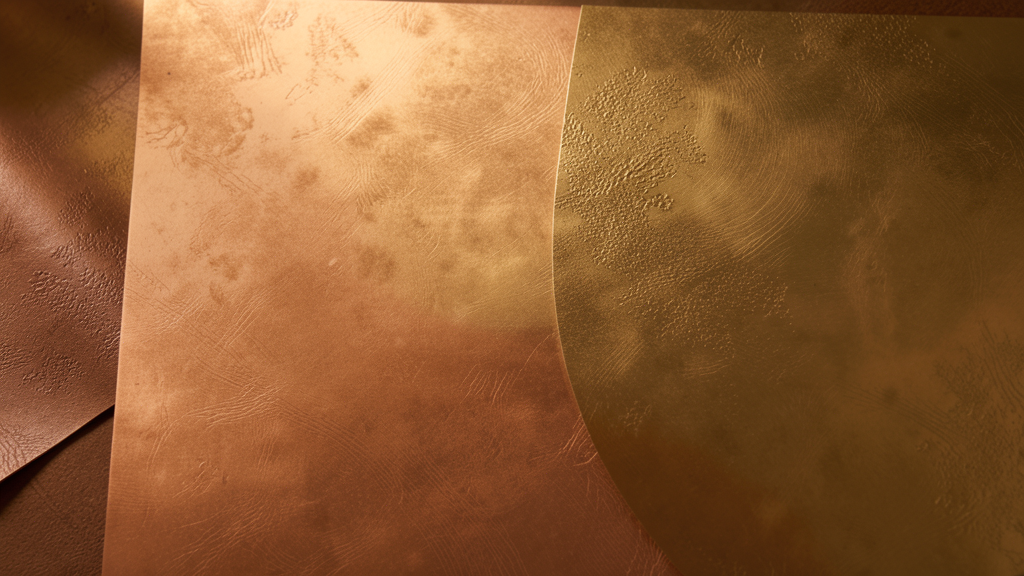
Copper and brass handle material textures showing natural patina development.
Understanding Patina: What Happens to Copper and Brass
Patina is not damage — it is a chemical reaction between the metal and environmental elements. Both copper and brass are reactive metals that oxidize when exposed to air, moisture, and skin oils. This oxidation creates a surface layer that actually protects the underlying metal from further corrosion.
- Copper patina: Begins as a warm pink-gold, transitions through rose and bronze tones, and eventually settles into deep browns and, over many years, the green verdigris associated with aged copper roofs and statues.
- Brass patina: Brass naturally darkens from bright yellow-gold to deeper amber, bronze, and brown tones. The exact color depends on the zinc-to-copper ratio in the alloy.
Many EDC enthusiasts intentionally encourage patina because it gives each knife a unique, personal appearance. Unlike scratches on anodized aluminum, patina is part of the material's character rather than a defect.
Should You Let Patina Develop or Keep It Polished?
This is the central question in copper and brass knife handle care. The answer depends on your aesthetic preferences and how much maintenance you are willing to perform.
| Preference | Look | Maintenance | Best For |
|---|---|---|---|
| Natural patina | Warm, aged, personalized | Minimal (wipe clean, no polish) | Daily carry, collectors |
| Polished bright | Shiny, reflective, new-looking | Regular (weekly or monthly polish) | Display, rotation carry |
| Forced patina | Even dark/colored oxidation | One-time treatment, then minimal | Uniform aesthetic |
Cleaning Copper and Brass Knife Handles
Whether you are maintaining a seeded patina or restoring a bright finish, the cleaning approach differs significantly from standard handle materials like G10 or Micarta. Never use abrasive cleaners on copper or brass handles without first understanding the finish you want to achieve.
Gentle Cleaning (Preserving Patina)
For routine cleaning that preserves existing patina:
- Wipe the handle with a soft microfiber cloth after each carry to remove skin oils and moisture.
- Use mild soap and warm water for deeper cleaning. Dry immediately with a soft cloth.
- Avoid acidic cleaners, vinegar, or lemon juice unless you specifically want to accelerate patina development.
- Never use steel wool or abrasive scouring pads on patinated copper or brass — they will strip the patina layer.
Restoring a Bright Polish
To restore copper or brass handles to a bright, reflective finish:
- Disassemble the knife to remove the handle scales (or mask the blade and pivot area carefully).
- Apply a metal polish formulated for copper and brass. Products like Flitz, Nevr-Dull, and Brasso are commonly used in the knife community.
- Buff with a soft cotton cloth in circular motions until the desired brightness is achieved.
- Wipe away all polish residue with a clean cloth.
- Reassemble the knife and apply a thin layer of mineral oil to slow re-oxidation.
For more on handle material care generally, see our guide on knife handle materials and maintenance.
Forced Patina Techniques
Some EDC enthusiasts prefer an even, controlled patina rather than the irregular pattern that develops naturally. Forced patina can be achieved through several methods:
- Vinegar and salt: A classic method for copper. The acid accelerates oxidation, and salt creates texture in the patina.
- Hard-boiled egg yolks: Sulfur from egg yolks creates a dark, dramatic patina on copper and some brass alloys.
- Liver of sulfur: A professional-grade patination chemical that produces consistent, controllable results. Available from jewelry supply stores.
- Ammonia fumes: Suspending copper scales above (not in) ammonia creates a blue-green patina over 12–24 hours.
Always test forced patina methods on a small, concealed area first. The science of patina formation is well documented in metallurgical literature and provides guidance on which chemical environments produce specific colors.
Preventing Unwanted Tarnish Transfer
One practical concern with copper and brass knife handles is that the metal can transfer tarnish or a metallic smell to your hands, particularly in hot or humid conditions. Here are some mitigation strategies:
- Clear coating: A thin layer of clear lacquer or Renaissance Wax seals the metal surface and prevents transfer — but also prevents patina development.
- Regular wiping: Simply wiping the handle with a dry cloth after handling minimizes tarnish residue.
- Pocket position: Carrying the knife in a separate pocket from phones or metal objects reduces abrasion that accelerates tarnish.
When to Avoid Copper and Brass
Copper and brass handles are not ideal for every environment. The added weight — copper and brass are significantly denser than titanium or aluminum — can be noticeable in the pocket. Additionally, individuals with copper or nickel allergies may experience skin reactions with prolonged contact. In marine environments, both metals develop patina more rapidly, which some users embrace and others find undesirable.
For those who appreciate the weight, warmth, and evolving character of copper and brass, the minimal maintenance requirements are a small trade-off for a handle material that truly becomes your own. Browse the Artisan Cutlery collection to see knives featuring these classic handle materials.



Leave a comment
This site is protected by hCaptcha and the hCaptcha Privacy Policy and Terms of Service apply.