

D2 steel is one of the most popular blade materials in budget and mid-range EDC knives, known for excellent edge retention and wear resistance. But there is a common question among knife owners: does D2 rust? The answer is nuanced. D2 is often called a semi-stainless steel, meaning it resists corrosion better than true carbon steels but is not fully stainless. This guide covers D2 steel patina development, corrosion resistance limits, and how to care for your D2 blade.
D2 steel offers a useful balance of edge retention and moderate corrosion resistance for everyday carry.
Is D2 Steel Stainless or Non-Stainless?
D2 steel contains approximately 11 to 12 percent chromium, which places it right at the boundary of stainless steel classification. True stainless steels typically require at least 10.5 to 12 percent chromium to form a passive chromium oxide layer that resists corrosion. D2 hits this threshold but falls short of the 14 to 18 percent chromium found in most modern stainless knife steels. This is why D2 is called semi-stainless: it offers better corrosion resistance than 1095 or O1 carbon steel but less than 14C28N, S35VN, or M390.
Can D2 Steel Develop a Patina?
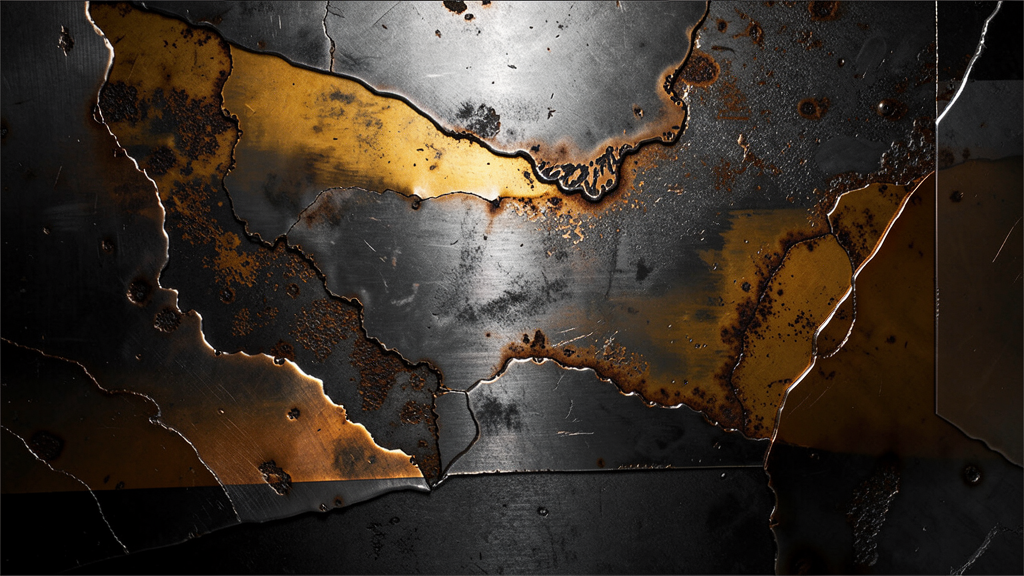
Yes, D2 steel can develop a patina over time, though it is less common and less dramatic than the patina seen on high-carbon steels. A patina on D2 typically appears as subtle gray or bronze discolorations rather than the dark, reactive patina of 1095 or blueing on a carbon steel blade. The patina forms when the chromium oxide layer is disturbed and the underlying steel reacts with moisture, acids, or other environmental factors.
Factors that accelerate patina formation on D2 include:
- Exposure to acidic substances like citrus, tomatoes, or vinegar
- Humidity and sweat from pocket carry
- Saltwater exposure or coastal environments
- Inconsistent cleaning after use
- Poor heat treatment that leaves the steel more reactive
D2 Steel vs True Stainless: Corrosion Comparison
| Property | D2 Steel | True Stainless (14C28N, S35VN) |
|---|---|---|
| Chromium Content | ~11-12% | 14-18% |
| Corrosion Resistance | Moderate (semi-stainless) | Good to excellent |
| Patina Development | Possible, slow forming | Rare, usually not visible |
| Rust Risk in Humid EDC | Low to moderate with care | Very low |
| Saltwater Exposure | Risk of pitting if not rinsed | Resistant, still rinse recommended |
| Edge Retention | Excellent | Good to excellent (varies) |
| Ease of Sharpening | Moderate (high wear resistance) | Easier to Good |
How to Prevent Rust on D2 Steel Knives
While D2 is more corrosion-resistant than carbon steel, it still benefits from basic maintenance. Here is a practical care routine for D2 EDC knives:
- Wipe the blade after use. A quick wipe with a dry cloth removes moisture, acids, and salts that can trigger corrosion.
- Apply a light oil coating. Mineral oil, food-grade oil, or specialized knife oil creates a protective barrier between the steel and the environment. A thin coat is sufficient.
- Avoid prolonged exposure to moisture. If your knife gets wet, dry it promptly. Do not store it in a damp sheath or pocket.
- Clean after cutting acidic foods or materials. Citrus, onions, and tomatoes are particularly reactive with exposed steel surfaces.
- Inspect regularly. Check the blade edge and pivot area for signs of discoloration or rust spots. Early detection makes removal easy.
How to Remove Rust or Patina from D2
If your D2 blade develops light surface rust or an uneven patina, it can usually be removed without damaging the blade:
- Apply a penetrating oil or rust remover to the affected area.
- Gently rub with a fine abrasive pad or soft cloth. Use the direction of the blade finish to avoid scratching.
- Wipe clean and dry thoroughly.
- Re-oil the blade to restore the protective layer.
For a patina that you prefer to keep, simply ensure the blade is clean and oiled. A stable patina can actually provide some protection against further corrosion by sealing the surface.
Is D2 Steel Good for EDC Despite Corrosion Risk?
For most everyday carry use in normal conditions, D2 steel is an excellent choice. Its edge retention is outstanding for the price point, and with basic care, corrosion is rarely a problem. The semi-stainless nature of D2 is a trade-off: you give up some corrosion resistance for superior edge holding and wear resistance. For users in dry climates or those who maintain their knives regularly, D2 is one of the best value steels available.
If you live in a coastal or high-humidity area, or if you frequently use your knife around water, a fully stainless steel like 14C28N or S35VN may be a better fit. But for most EDC scenarios, D2 requires only minimal maintenance to stay rust-free.
Explore the Artisan Cutlery folding knife collection for premium EDC knives in D2, S35VN, and AR-RPM9 steel for reliable everyday carry.



Leave a comment
This site is protected by hCaptcha and the hCaptcha Privacy Policy and Terms of Service apply.