

D2 vs 14C28N — Two Popular Knife Steels Compared
Choosing the right blade steel is one of the most important decisions when selecting an everyday carry knife. Two common options at different price points are D2 tool steel and 14C28N stainless steel. While both are widely used in modern knife manufacturing, they serve different priorities. This guide compares D2 and 14C28N across the five key metrics that matter most to knife users: edge retention, toughness, corrosion resistance, ease of sharpening, and overall value.
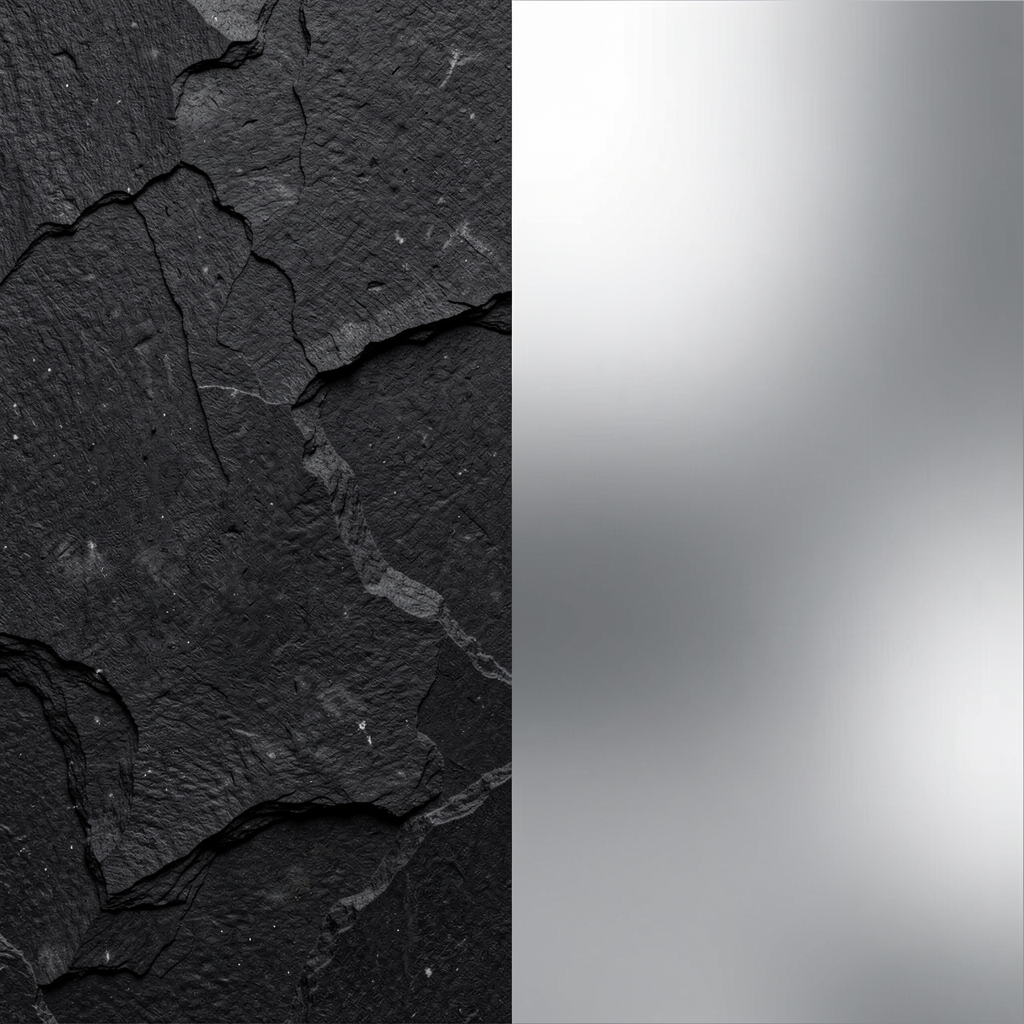
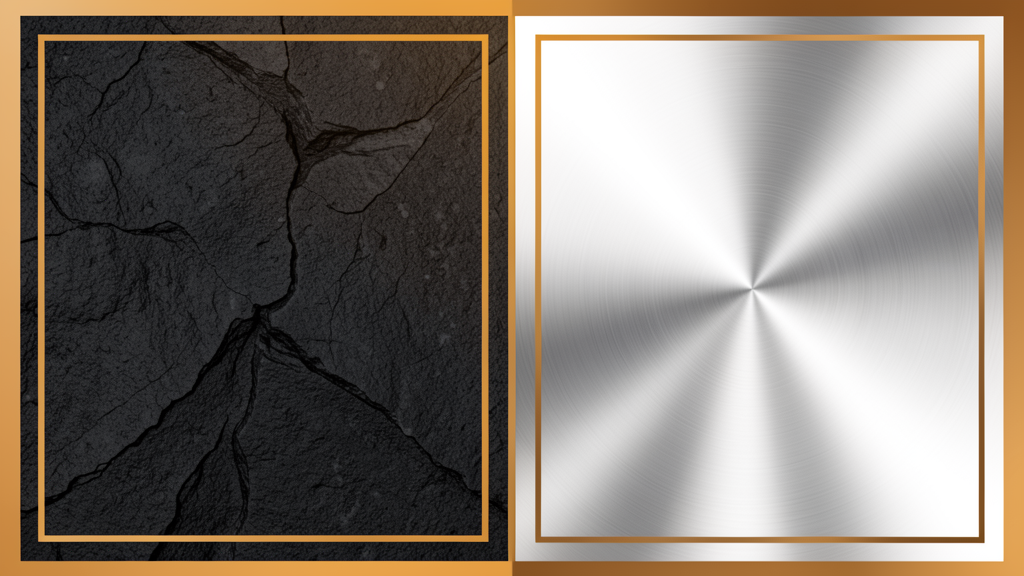
D2 tool steel (left) versus 14C28N stainless steel (right) — two popular blade materials for everyday carry knives.
What Is D2 Steel?
D2 is a high-carbon, high-chromium tool steel originally developed for industrial applications like stamping dies and cutting tools. It contains approximately 1.5% carbon and 12% chromium, placing it at the boundary between tool steel and stainless steel. D2 is known for excellent wear resistance and edge retention, making it a popular choice for budget-to-mid-range knives that need to hold an edge through demanding use.
However, D2 is not fully stainless — its 12% chromium content provides some corrosion resistance, but the high carbon content means it can stain or rust if not properly maintained. Many manufacturers use a D2 designation that refers to tool steel rather than stainless classification.
What Is 14C28N Steel?
Sandvik 14C28N is a nitrogen-enriched stainless steel from the Swedish steelmaker Sandvik. It features approximately 0.62% carbon, 14% chromium, and a small addition of nitrogen. The nitrogen content allows for a fine-grained microstructure that delivers an excellent combination of toughness and edge stability at moderate hardness.
14C28N is fully stainless, highly corrosion-resistant, and significantly easier to sharpen than D2. It is commonly found in mid-range EDC knives and is particularly valued for its ability to take a very sharp, thin edge that performs well in slicing tasks.
Head-to-Head Comparison
| Property | D2 Tool Steel | 14C28N Stainless | Winner |
|---|---|---|---|
| Edge retention | Good to very good | Moderate to good | D2 |
| Toughness (chip resistance) | Moderate | Very good | 14C28N |
| Corrosion resistance | Low to moderate | Excellent | 14C28N |
| Ease of sharpening | Moderate difficulty | Easy | 14C28N |
| Hardness range (HRC) | 58-61 | 57-60 | D2 (slightly) |
Edge Retention
D2 generally offers better edge retention than 14C28N. D2's high carbide volume (chromium carbides in a high-carbon matrix) creates a wear-resistant edge that maintains sharpness through extended cutting. In controlled cutting tests, D2 typically retains a working edge longer than 14C28N, which relies on a finer, tougher edge structure rather than carbide hardness.
Toughness and Edge Stability
14C28N outperforms D2 in toughness. The nitrogen-enriched, fine-grained structure of 14C28N resists chipping and micro-fracturing better than D2's coarser carbide structure. This means 14C28N can be sharpened to a thinner edge geometry without risking edge collapse — a significant advantage for slicing-oriented knives. D2 is more prone to chipping under lateral stress or impact, though proper heat treatment can mitigate this.
Corrosion Resistance
14C28N is fully stainless and offers excellent corrosion resistance. It will not rust under normal EDC conditions and requires minimal maintenance. D2, by contrast, is only semi-stainless. In humid environments, around salt water, or if left dirty and wet, D2 blades can develop surface rust and staining. Regular cleaning and light oiling are recommended for D2 users.
Sharpening
14C28N sharpens easily with standard sharpening equipment. Its fine grain structure responds well to ceramic stones and even factory-set sharpening systems. D2 requires more effort to sharpen due to its higher hardness and carbide volume. Diamond abrasives are recommended for reprofiling D2 edges, though regular touch-ups can be done with ceramic rods.
Which Should You Choose?
Your choice between D2 and 14C28N depends on your priorities:
- Choose D2 if: Maximum edge retention is your top priority, you work in dry conditions, and you are comfortable maintaining a semi-stainless blade with occasional oiling.
- Choose 14C28N if: You value corrosion resistance, ease of sharpening, and toughness. It is ideal for wet or humid environments and users who want minimal blade maintenance.
Both steels represent excellent value in their respective categories. Many manufacturers, including those in the Artisan Cutlery new arrivals collection, offer knives in both materials, giving users the freedom to choose the steel that best matches their needs.

Leave a comment
This site is protected by hCaptcha and the hCaptcha Privacy Policy and Terms of Service apply.