

Understanding Knife Lock Types
The locking mechanism is one of the most important features of any modern folding knife. A reliable lock keeps the blade securely open during use and prevents accidental closure, ensuring both safety and performance. Different lock types offer varying levels of strength, ease of operation, and durability. This guide explains the three most common knife lock types found on modern folding knives: the liner lock, frame lock, and Axis-style lock.
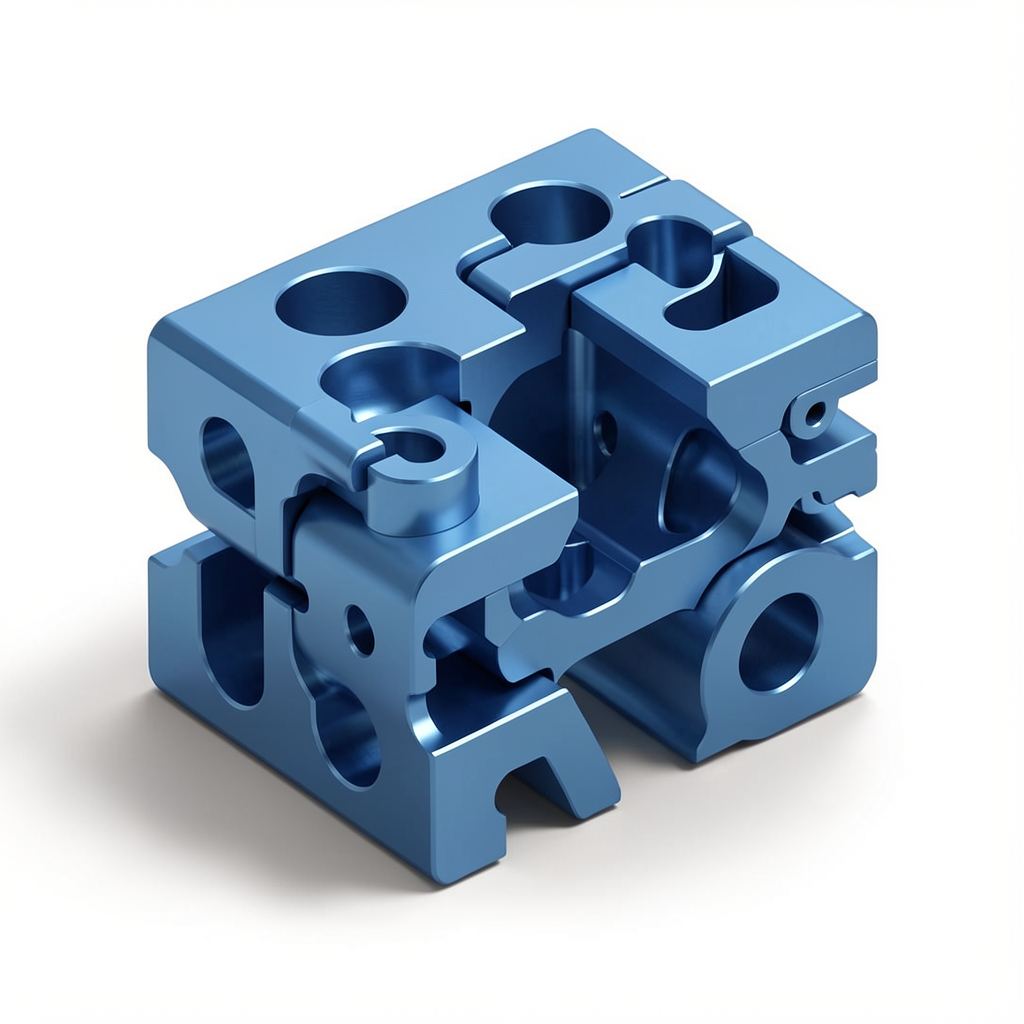
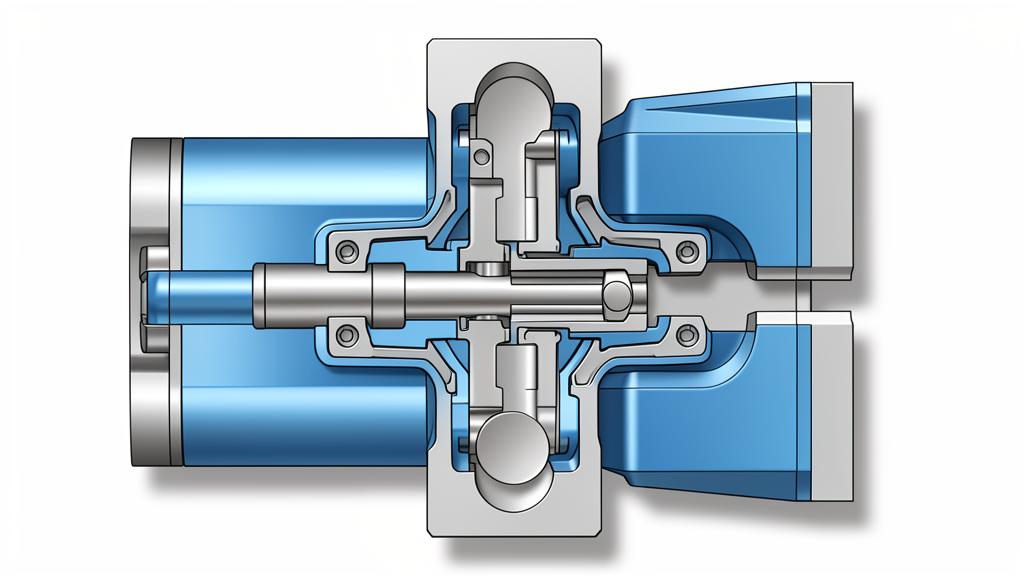
Anatomy of a folding knife locking mechanism — how the lock bar engages the blade tang.
Liner Lock
The liner lock is the most widely used locking mechanism in folding knives. Invented by Michael Walker in the 1980s, it consists of a spring-loaded metal liner inside the handle that snaps into position behind the blade's tang when the blade is opened.
How it works: When the blade is opened, the liner — a thin spring steel plate cut from the inside of one handle scale — springs sideways to contact the flat tang surface of the blade, preventing it from closing. To disengage, the user pushes the visible portion of the liner sideways, allowing the blade to fold closed.
Pros: Lightweight, easy to manufacture, simple one-handed operation, ambidextrous (with liner placement adjustment).
Cons: Can wear out over extended use, susceptible to dirt or debris interfering with engagement, less strong than frame locks when made with thinner liners.
Frame Lock
The frame lock, also known as the integral lock or Reeve Integral Lock (RIL), is similar in principle to the liner lock but uses a portion of the handle frame itself rather than an internal liner. It was popularized by Chris Reeve in the 1990s.
How it works: A slot is cut into one side of the handle, creating a flexible section of the frame that acts as the locking bar. When the blade opens, this frame section springs inward behind the blade tang. To disengage, the user presses the frame section outward, away from the blade.
Pros: Generally stronger than liner locks because the locking bar is thicker, excellent durability, easy to clean since the mechanism is part of the handle structure.
Cons: Typically limited to metal-handled knives (titanium or stainless steel), can be harder to operate for users with smaller hands, usually not ambidextrous (right-hand carry only).
Axis-Style Lock
The Axis lock, popularized by the Benchmade brand, is a proprietary mechanism that uses a spring-loaded bar that moves back and forth across the blade's tang. Similar designs from other manufacturers are sometimes called crossbar locks or bar locks.
How it works: A cylindrical bar sits in slots cut into both handle scales, held under spring tension. When the blade is open, the bar sits in a notch on the blade tang, preventing closure. To disengage, the user pulls the bar back (toward the spine of the handle) with thumb and forefinger, freeing the blade to close.
Pros: Fully ambidextrous (operated from either side), very strong lockup, extremely smooth operation, allows for the smoothest blade opening and closing of any lock type, resistant to failure from handle pressure.
Cons: More complex construction with multiple springs, harder to clean if debris enters the mechanism, proprietary designs can make parts harder to source.
Other Lock Types
Beyond the three most common types, several other locking mechanisms are worth knowing:
- Button lock: Uses a spring-loaded button that engages a notch in the blade tang. Common on Italian stilettos and modern flipper knives.
- Back lock: A classic design with a notched tang and a spring-loaded rocker bar on the spine. Older design but still widely used.
- Slip joint: Not a true lock but a spring-loaded mechanism that holds the blade open without positive locking resistance. Common on traditional pocket knives.
- Compression lock: A liner lock variant where the locking bar compresses the blade tang against a stop pin, offering stronger lockup than standard liner locks.
Choosing the Right Lock for Your EDC
The best lock type depends on your priorities:
- For everyday carry: Liner and frame locks offer the best balance of simplicity, reliability, and ease of use.
- For hard use: Frame locks and Axis-style locks provide the strongest lockup for demanding tasks.
- For ambidextrous use: Axis-style locks and button locks are fully ambidextrous.
- For easy maintenance: Frame locks are the simplest to clean since they are part of the handle itself.
Modern folding knife manufacturers offer a wide range of locking options. The Artisan Cutlery product collection includes models featuring various lock types, allowing users to choose the mechanism that best fits their preferences and use cases.


Leave a comment
This site is protected by hCaptcha and the hCaptcha Privacy Policy and Terms of Service apply.