

What Is a Dagger Knife?
A dagger knife is a double-edged blade designed primarily for thrusting. Unlike single-edged knives, the symmetrical grind and central spine give the dagger excellent piercing ability. Historically carried as a secondary weapon, modern dagger knives have found a place in EDC collections and tactical applications.
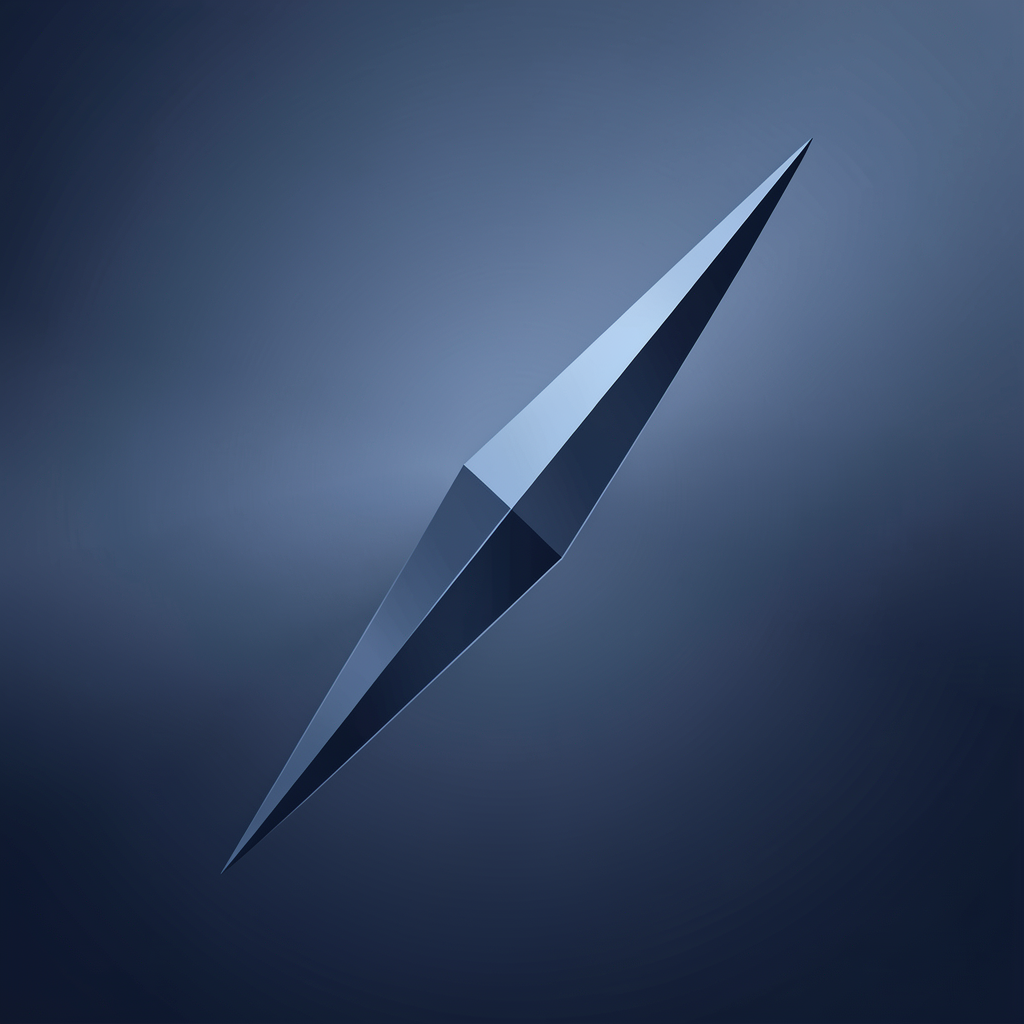
The symmetrical double-edged design defines the classic dagger profile.
Key Characteristics of Dagger Blades
- Double-edged design — both sides are sharpened, meeting at a central point
- Symmetrical profile — the blade is equally ground on both sides
- Thrust-focused tip — optimized for forward-penetration rather than slicing
- Full central ridge or fuller — adds structural rigidity to the narrow profile
Dagger Knife vs. Other Blade Shapes
| Feature | Dagger | Drop Point | Clip Point |
|---|---|---|---|
| Edges | Double | Single | Single |
| Primary Use | Thrusting | All-purpose | Slicing & piercing |
| Tip Strength | Moderate | Strong | Moderate |
| Best For | Self-defense | EDC & hunting | Skinning & utility |
The dagger's symmetrical grind gives it superior piercing geometry, but the double edge means it requires more care in handling. For everyday carry, many users prefer a single-edged variant with a dagger-like point for safer carry.
Daggers in Modern EDC
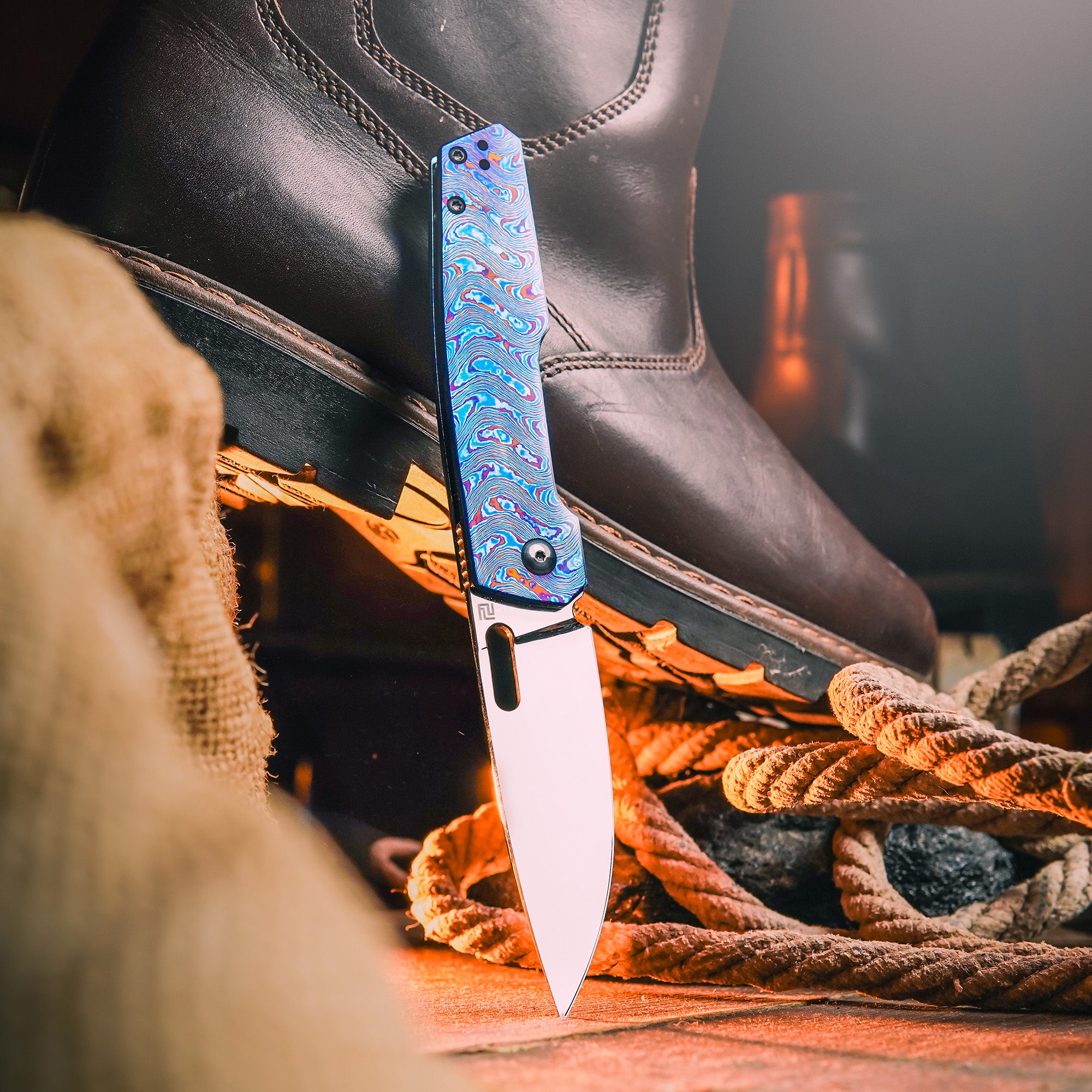
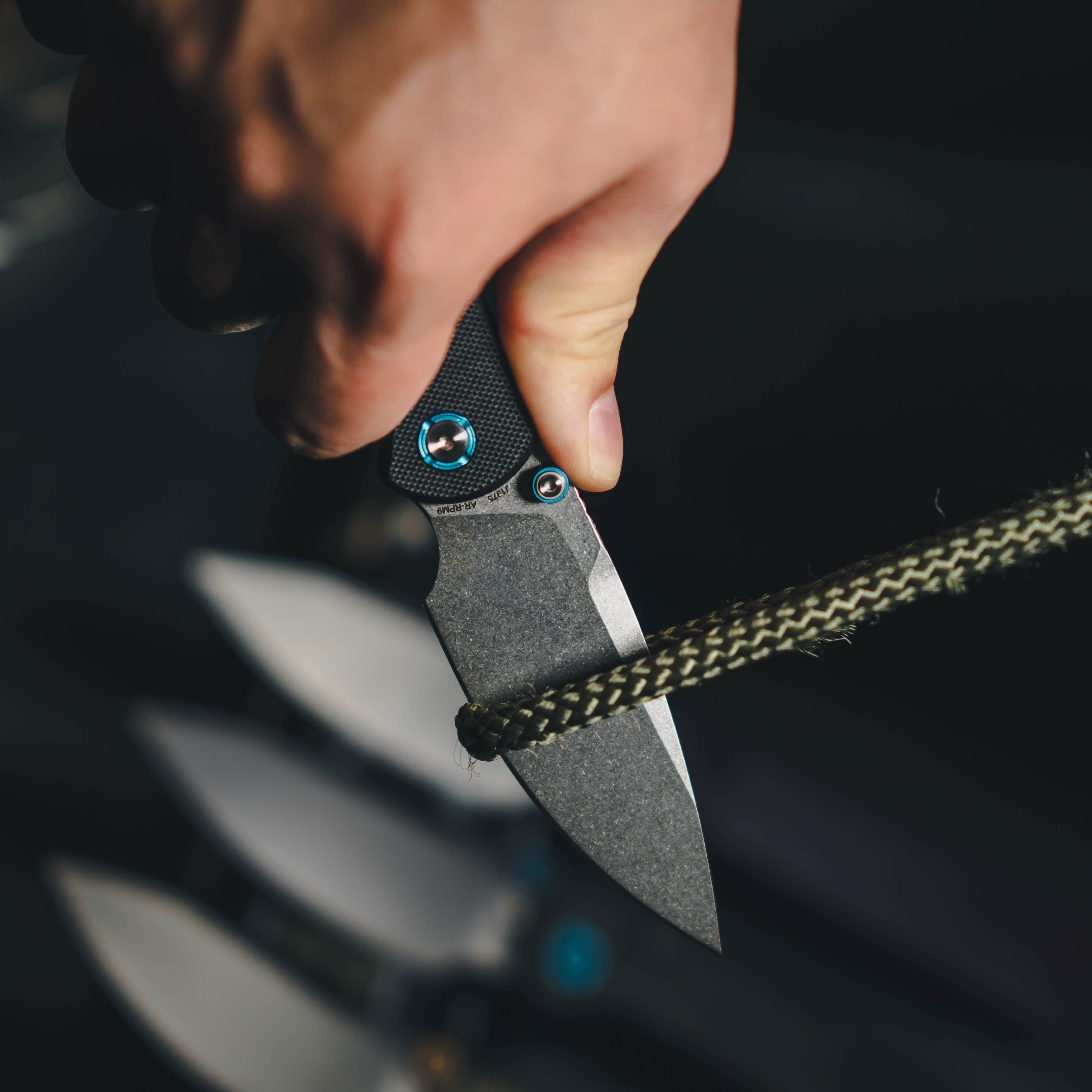
While traditional daggers are full double-edged blades, many modern folding knives incorporate dagger-like design elements — spear-point profiles, swedges, and symmetrical grinds — that offer piercing performance while maintaining practical utility. Artisan Cutlery's collection of folding pocket knives includes several models with tactical, point-forward designs suited for users who value piercing capability in a compact carry format.
Materials and Construction
Dagger blades benefit from high-hardness steels that hold a fine point well. Modern dagger knives often use D2, 12C27, or powdered metallurgy steels that balance edge retention with toughness. The double-edge geometry means edge stability matters — lower toughness can lead to tip breakage under lateral stress.
Legal Considerations
Double-edged daggers are regulated or restricted in many jurisdictions. A folding knife with a dagger-style blade profile that opens via one hand may be legal in more areas than a fixed double-edged dagger. Always check local knife laws before carrying any knife, especially one with a double-edged design.
Learn more about blade shapes in our Knife Types collection at Artisan Cutlery, and explore our full range of EDC knives built for performance and durability.


Leave a comment
This site is protected by hCaptcha and the hCaptcha Privacy Policy and Terms of Service apply.