

Understanding the Dagger Knife
A dagger knife is defined by its symmetrical, double-edged blade design, where both sides of the blade are sharpened to a central point. This distinctive geometry makes the dagger one of the oldest and most recognizable knife patterns in human history, dating back thousands of years to ancient civilizations.
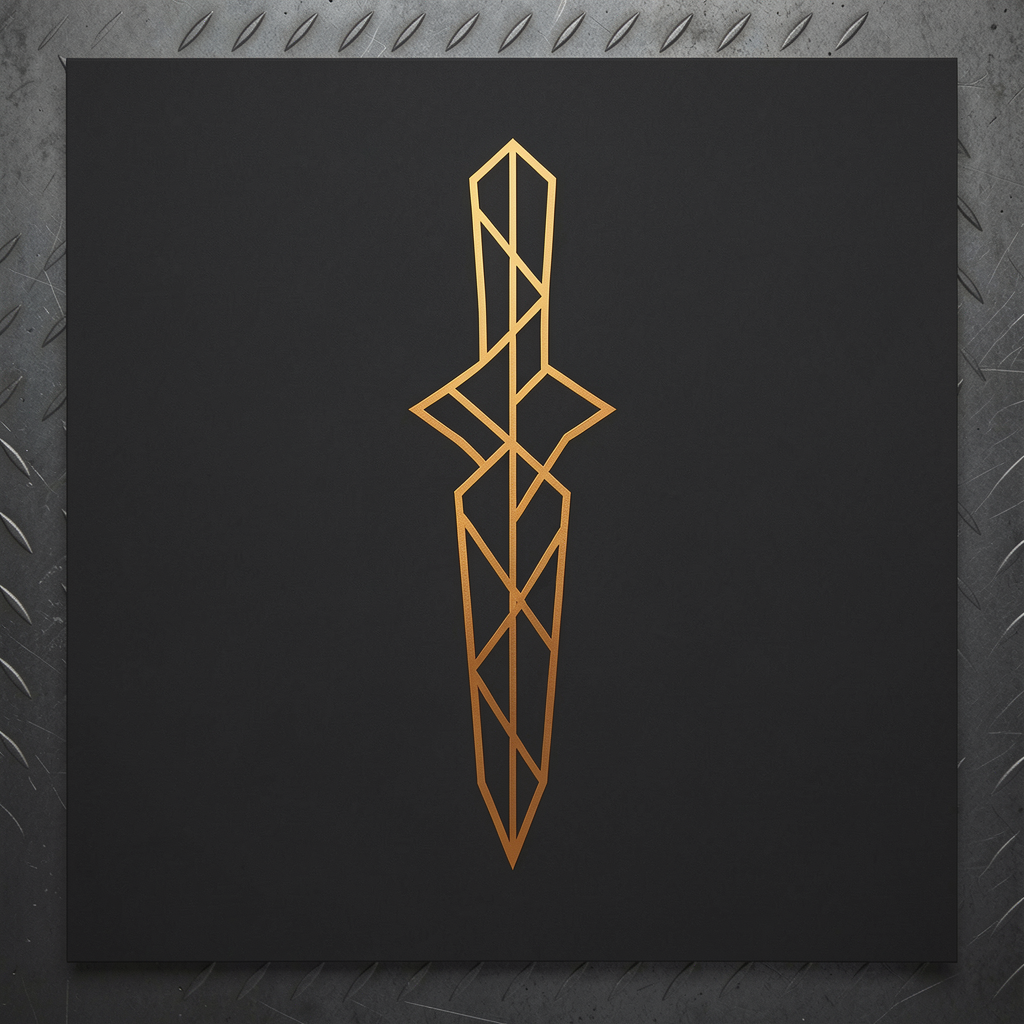
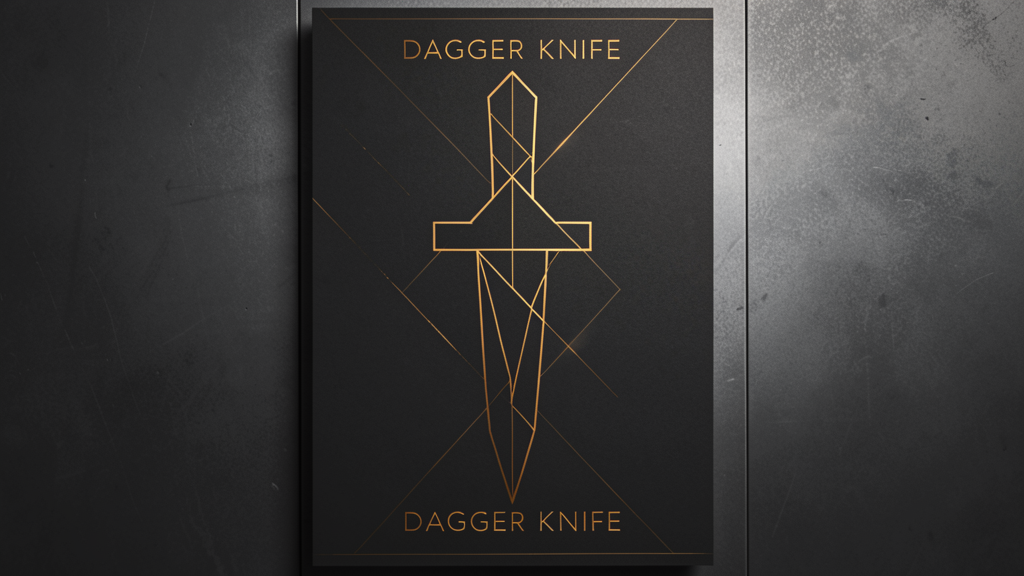
Abstract geometric representation of the symmetrical dagger blade profile
Unlike single-edged knives, which prioritize slicing performance and edge retention on one side, the dagger's double-edged design allows for symmetrical cutting action from either direction. This balance is what defines the category and sets it apart from other blade shapes.
Abstract geometric representation of the symmetrical dagger blade profile — defined by its double-edged, pointed design.
Historical Origins
The dagger has existed in various forms across nearly every culture. Early examples were made from flint, bone, and obsidian before the advent of metalworking. With the Bronze Age came stronger, more durable daggers, and by the Iron Age, these tools had become essential for both combat and everyday utility.
Throughout the medieval period, the dagger evolved alongside armor and combat techniques, serving as a backup weapon for knights and soldiers. It was during this time that the classic dagger shape — symmetrical, double-edged, and sharply pointed — became standardized across Europe, the Middle East, and Asia. Today, historical dagger designs continue to inspire modern knife makers.
Modern Dagger Knives in EDC
In the context of everyday carry (EDC), dagger-style pocket knives have experienced a resurgence. Modern interpretations often feature a modified dagger grind — a double-edged look adapted for folding knife platforms. Rather than the rigid military dagger of centuries past, today's EDC versions typically include the following characteristics:
- Symmetrical blade profile — Both edges mirror each other, creating a balanced, visually striking appearance
- Central tip alignment — The point sits exactly in the center of the blade, which is ideal for piercing tasks
- Folding mechanism — Modern dagger-style knives are almost always folders, making them practical for daily carry
- Modern steel alloys — Current production models often use premium stainless steels with excellent edge retention
Dagger vs. Spear Point and Other Blade Shapes
While a true dagger is double-edged and symmetrical, it shares similarities with the spear point blade shape: both have a pronounced central point. The key distinction is that spear point blades are typically single-edged with a false edge on the spine, while daggers have two fully sharpened edges.
This double-edged design means dagger knives excel at piercing and thrusting motions. They are less optimized for extended slicing compared to drop point or clip point blades, but their symmetrical edge geometry makes them uniquely versatile for precision cutting from any angle.
What to Look For in a Dagger-Style Pocket Knife
If you are interested in adding a dagger-style knife to your EDC rotation, here are several factors worth considering:
- Blade steel quality — Premium steels such as D2, 154CM, or M390 ensure the double edge holds up to repeated use
- Locking mechanism — A reliable lock (liner lock, frame lock, or button lock) is especially important on a dagger-style folder for safety
- Handle ergonomics — Since a double-edged blade requires deliberate handling, a secure, textured handle is essential
- Legal compliance — Double-edged knives are regulated in some jurisdictions, so checking local knife laws is advisable
To browse a selection of high-quality pocket knives with various blade shapes and locking mechanisms suitable for everyday carry, visit the Artisan Cutlery collection.

Leave a comment
This site is protected by hCaptcha and the hCaptcha Privacy Policy and Terms of Service apply.