

The dagger knife is one of the most recognizable blade designs in history. Characterized by its symmetrical, double-edged blade and sharply pointed tip, the dagger has served as a weapon, tool, and ceremonial object for thousands of years. Today, modern interpretations of the dagger profile are found in everyday carry knives that honor this classic design while incorporating contemporary materials and manufacturing techniques.
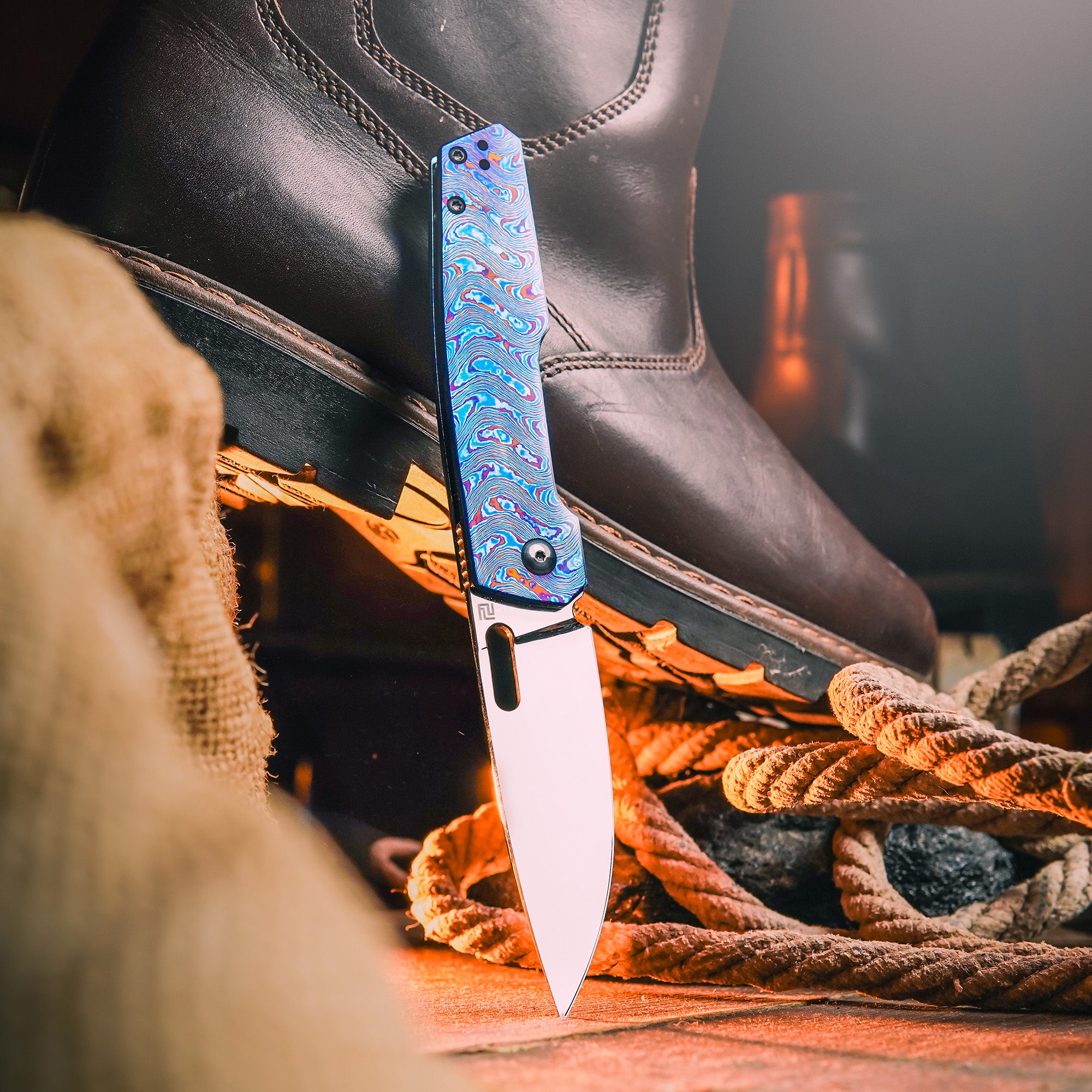
The symmetrical double-edged design of a dagger blade is one of the oldest and most purposeful blade geometries known to man.
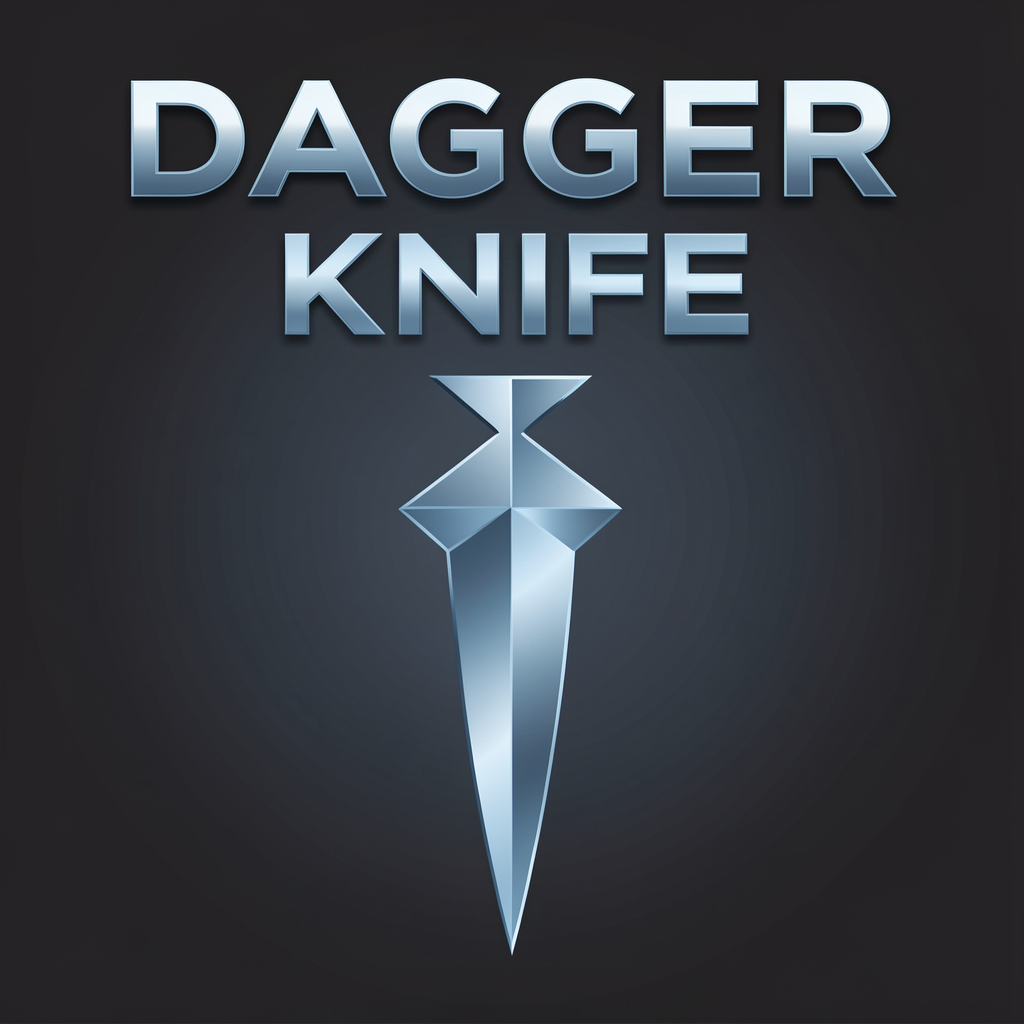
The symmetrical double-edged design of a dagger blade is one of the oldest and most purposeful blade geometries known to man.
The History of the Dagger
Daggers have been carried since ancient times, with examples found in virtually every civilization from Bronze Age Europe to feudal Japan. The key characteristic that defines a dagger — a symmetrical double-edged blade optimized for thrusting — has remained remarkably consistent. In the medieval period, daggers evolved as essential secondary weapons for knights, while in the Renaissance they became fashion accessories and symbols of status. Today's dagger-style knives retain the same fundamental geometry while adapting to modern use cases.
Modern Dagger-Style Knives
Contemporary knife manufacturers produce several interpretations of the dagger form:
- Fixed Blade Daggers: Traditional full-tang designs for tactical and outdoor use
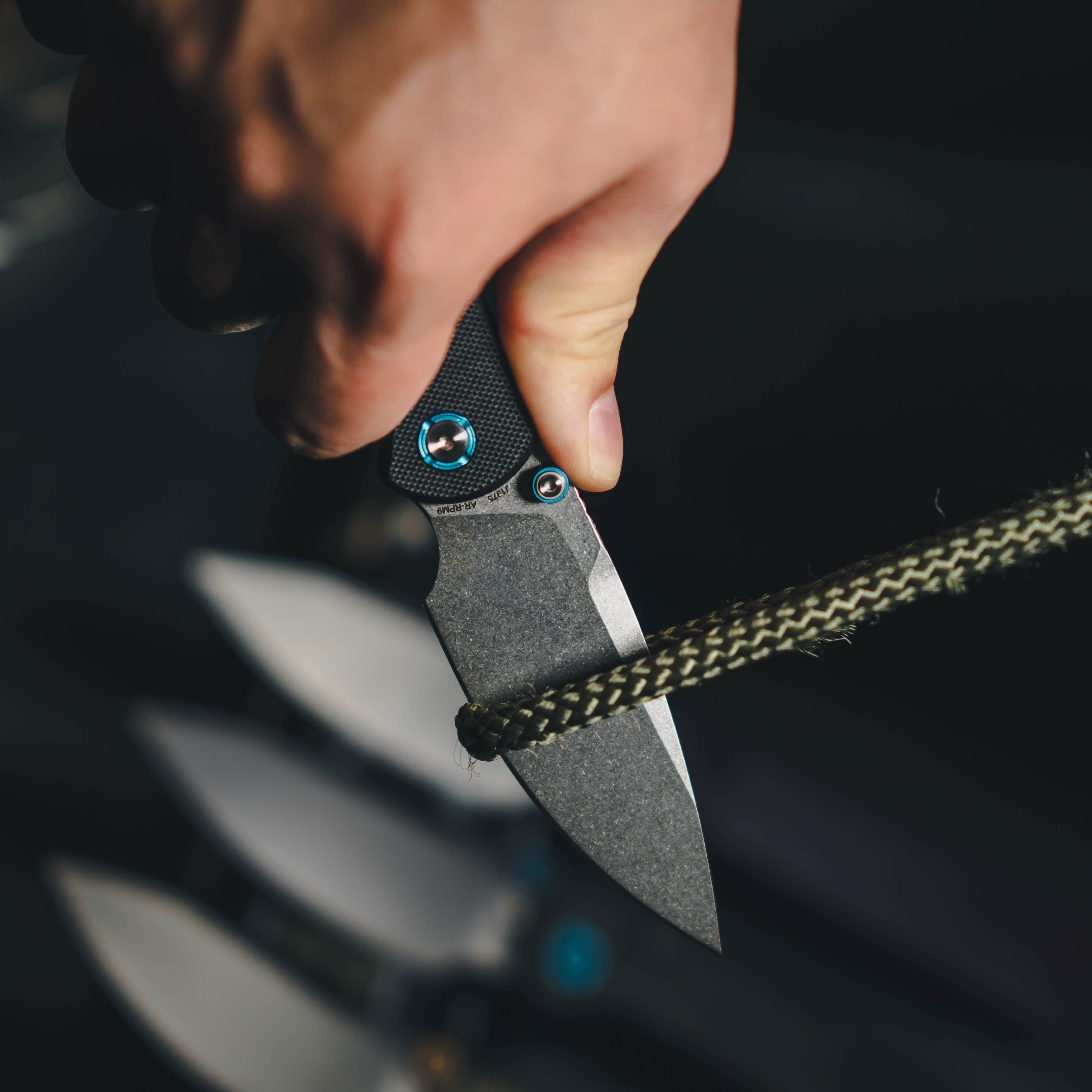
- Folding Daggers: Pocket-friendly interpretations with a single or double edge
- Dagger-Grind Blades: Knives with a symmetrical grind profile, even in single-edged designs, that mimic the piercing capability of a true dagger
- Bowie-Dagger Hybrids: Crossbreeds that combine a clip-point bowie profile with dagger-like piercing geometry
Dagger vs. Other Knife Profiles
| Blade Type | Primary Use | Key Feature |
|---|---|---|
| Dagger | Piercing, thrusting | Symmetrical double edge, acute point |
| Drop Point | General utility, hunting | Curved spine, strong tip |
| Clip Point | Versatile EDC, slicing | Concave clip on spine, fine tip |
| Tanto | Tactical, piercing | Angular tip, reinforced point |
| Spear Point | Balanced piercing and slicing | Symmetrical but usually single-edged |
Is a Dagger-Shaped Blade Practical for EDC?
While traditional double-edged daggers are restricted in some jurisdictions, modern single-edged folding knives with dagger-style grinding offer much of the same piercing capability without legal complications. These knives excel at precision cutting and puncture tasks while remaining fully legal for everyday carry in most areas. The symmetrical geometry also makes them excellent for detailed work where control and accuracy matter.
Browse our collection of precision-crafted blades at Artisan Cutlery's fixed blade collection for designs that honor the classic dagger heritage.
Read more about the history of the dagger on Wikipedia.

Leave a comment
This site is protected by hCaptcha and the hCaptcha Privacy Policy and Terms of Service apply.