

Understanding pocket knife blade shapes is essential for choosing the right everyday carry knife. The blade profile determines how a knife performs at different cutting tasks, from slicing and piercing to chopping and prying. Whether you are a seasoned collector or a first-time buyer, knowing the strengths of each blade shape helps you match the tool to your needs.
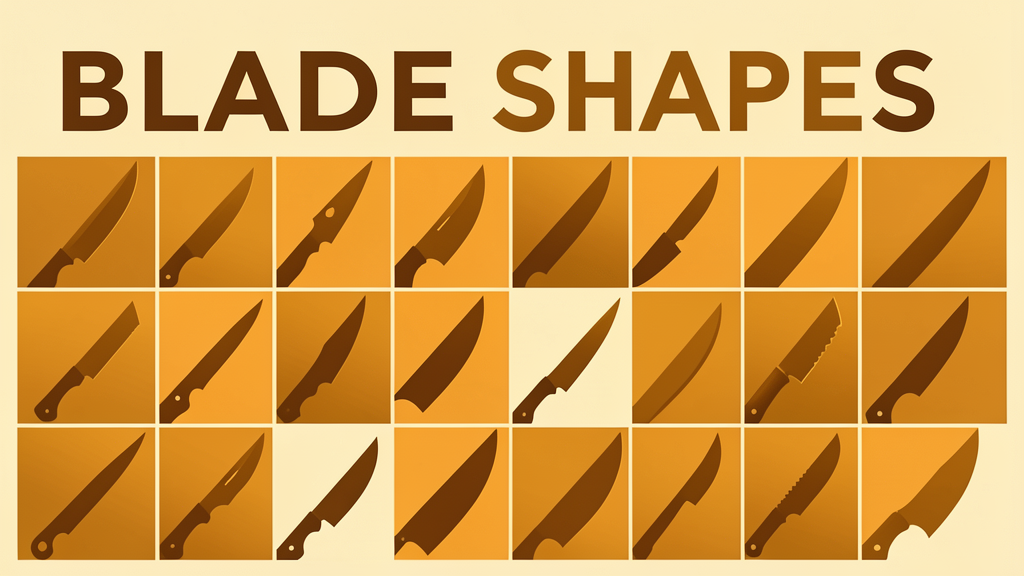
Each blade shape offers a unique balance of slicing, piercing, and strength characteristics for different tasks.
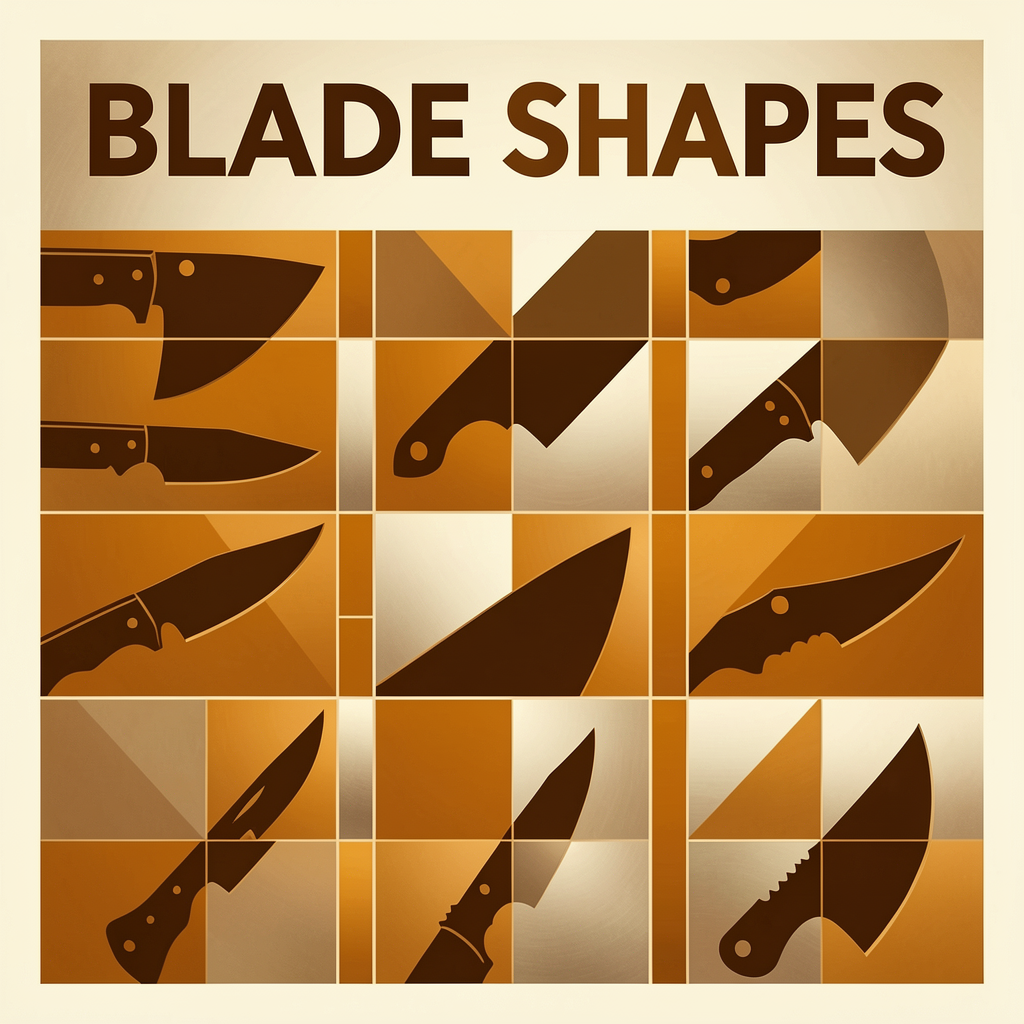
Each blade shape offers a unique balance of slicing, piercing, and strength characteristics for different tasks.
Common Pocket Knife Blade Shapes
Drop Point
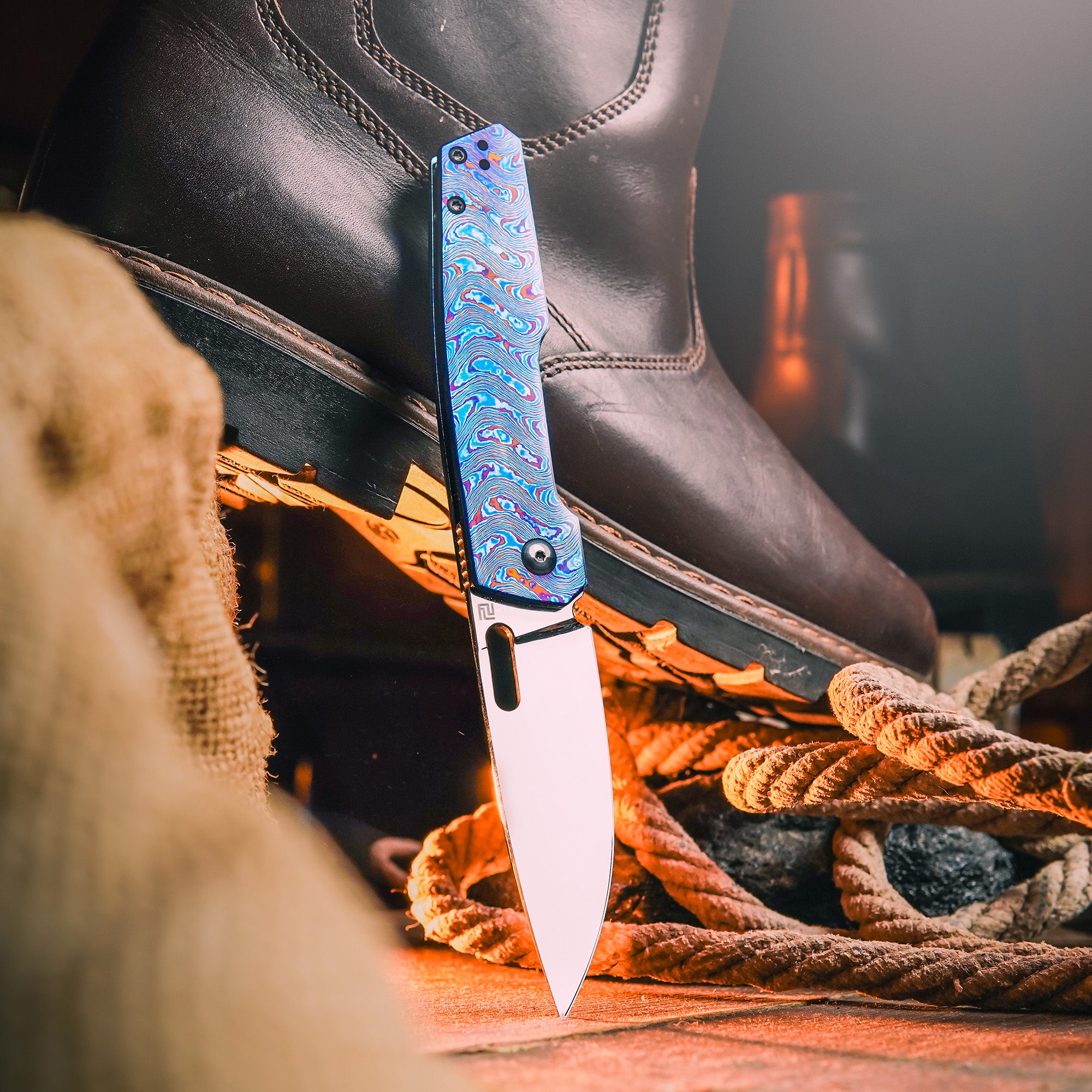
The drop point is the most popular blade shape for everyday carry. Its convex spine curves downward to meet the edge, creating a strong tip that resists breaking. This profile excels at general utility cutting and is favored by hunters and outdoorsmen. Artisan Cutlery offers numerous drop point models for reliable EDC performance.
Clip Point
The clip point features a concave cutout on the spine near the tip, creating a fine, sharp point ideal for piercing and detail work. This is the classic Bowie knife profile and one of the most versatile blade shapes available. The fine tip allows for precise cuts, though it is somewhat more delicate than a drop point.
Tanto
Inspired by traditional Japanese swords, the tanto blade features a flat grind with an angular tip created by a distinct secondary edge. This design creates an extremely strong point that excels at piercing hard materials. Modern American tanto variations are popular in tactical and hard-use folding knives.
Spear Point
Symmetrical and balanced, the spear point has a central spine that runs to the tip, creating equal curves on both edges. This shape offers excellent piercing capability and is common on double-edged and dagger-style knives.
Sheepsfoot
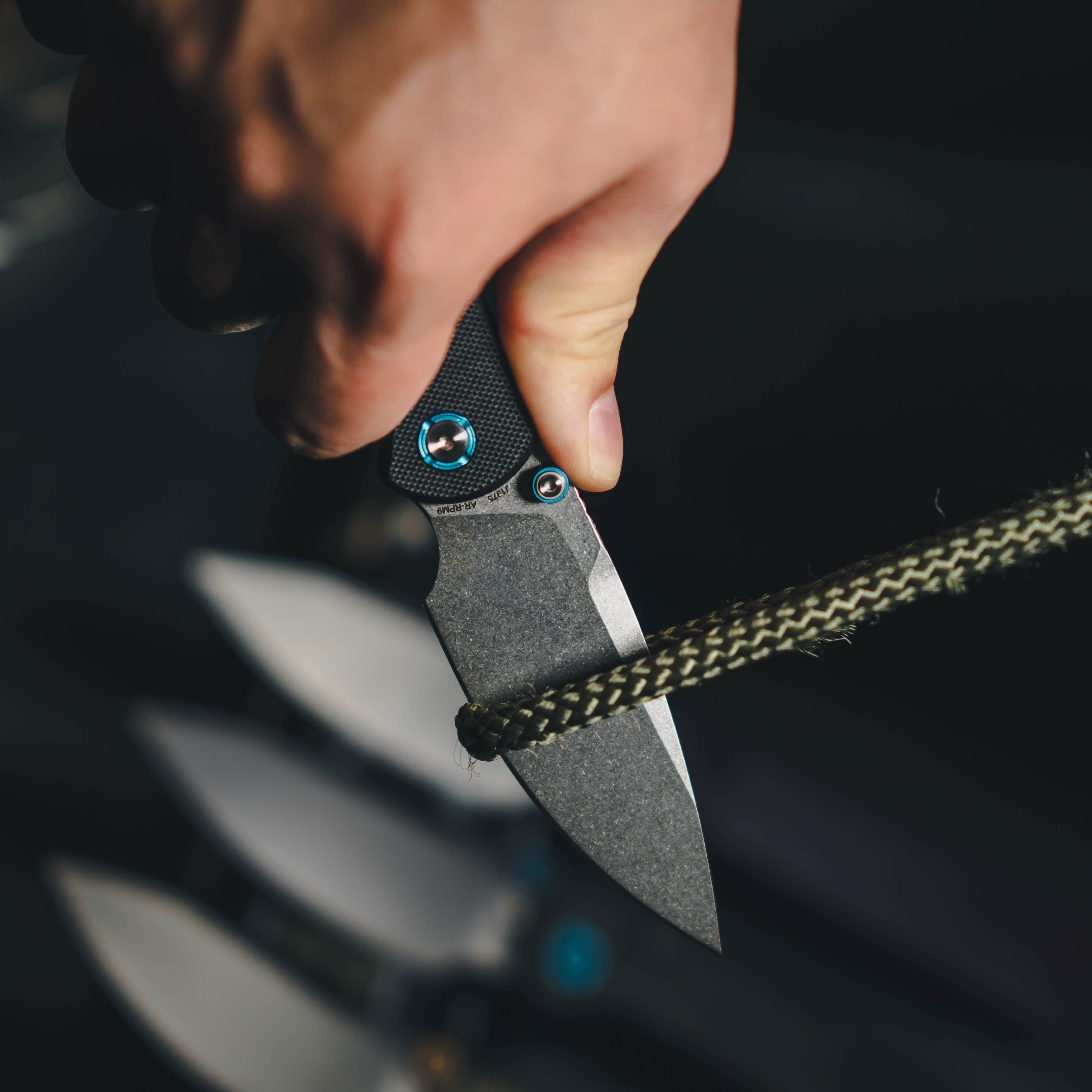
The sheepsfoot blade has a straight edge with a completely unsharpened curved spine. This profile provides excellent control for slicing and is ideal for cutting seat belts, rope, and packaging. It is a popular choice for rescue knives and everyday utility blades.
Wharncliffe
Similar to the sheepsfoot but with a straight spine that angles down to meet the edge at the tip. The Wharncliffe offers superior control for precision cuts and is excellent for detail work, skinning, and general utility.
Blade Shape Comparison
| Shape | Slicing | Piercing | Tip Strength | Best For |
|---|---|---|---|---|
| Drop Point | Excellent | Good | High | General EDC, hunting, camping |
| Clip Point | Very Good | Excellent | Moderate | Versatile EDC, detail work |
| Tanto | Good | Excellent | Very High | Tactical, hard use |
| Sheepsfoot | Very Good | Poor | High | Rope, packaging, rescue |
| Wharncliffe | Good | Moderate | High | Detail work, box cutting |
Choosing the Right Blade Shape for Your Needs
Consider what you cut most often. If you open packages and cut rope, a drop point or sheepsfoot offers excellent utility. For detailed carving or piercing tasks, a clip point provides the precision you need. If you need maximum tip strength for hard-use applications, a tanto is hard to beat. Many EDC enthusiasts eventually own several blade shapes, selecting the right knife for the day's expected tasks.
Explore the full range of pocket knife blade shapes at Artisan Cutlery's complete collection.
Learn more about blade geometry on Wikipedia.

Leave a comment
This site is protected by hCaptcha and the hCaptcha Privacy Policy and Terms of Service apply.