


What Is a Dagger Knife?
A dagger knife is a double-edged blade designed primarily for thrusting and piercing. Unlike most everyday carry knives, which feature a single sharpened edge and a dull spine, daggers are ground on both sides to create a symmetrical, sharply pointed profile. Historically used as a fighting and utility tool dating back thousands of years, the dagger has evolved into a specialized category within the modern knife world.
Dagger blade profile — symmetrical double-edged geometry optimized for piercing.
Today, dagger-style blades appear in both fixed-blade and folding formats, appealing to collectors, outdoor enthusiasts, and anyone who appreciates precise piercing geometry. While traditional daggers are symmetrical, modern interpretations often adapt the double-edged concept into more practical EDC-friendly shapes.
Key Characteristics of a Dagger Blade
- Double-edged design: Both sides of the blade are sharpened, creating a symmetrical grind that terminates in a fine point.
- Thrust-focused geometry: The blade geometry prioritizes penetration efficiency over slicing capability.
- Symmetrical profile: The blade is typically centered along the handle's axis, offering balanced handling during forward thrusts.
- Full tang or hidden tang: Fixed-blade daggers commonly feature a full tang construction for strength and durability.
These characteristics distinguish dagger-type blades from drop-point, clip-point, and tanto profiles more commonly found on folding pocket knives.
Modern Dagger-Style Knives in EDC
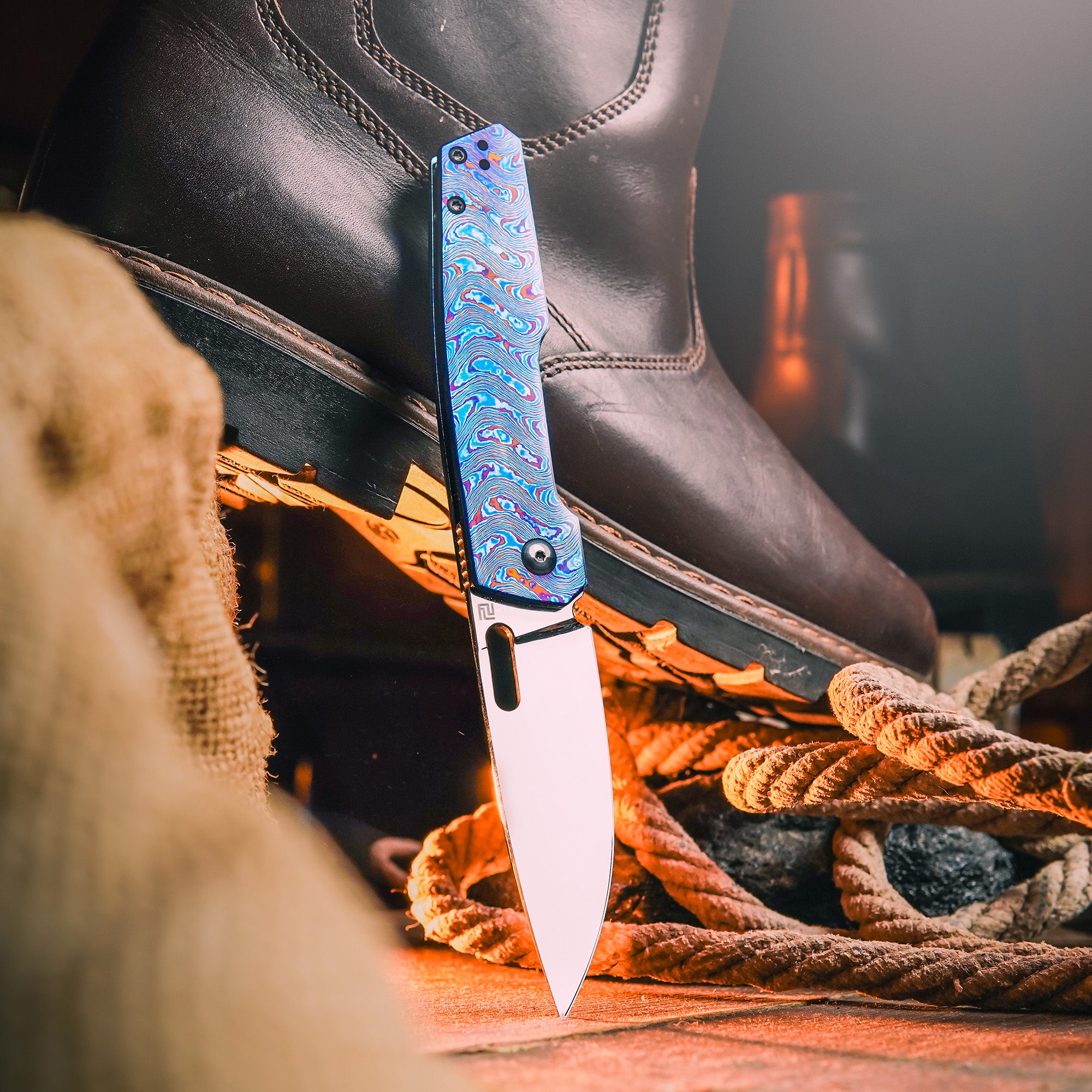
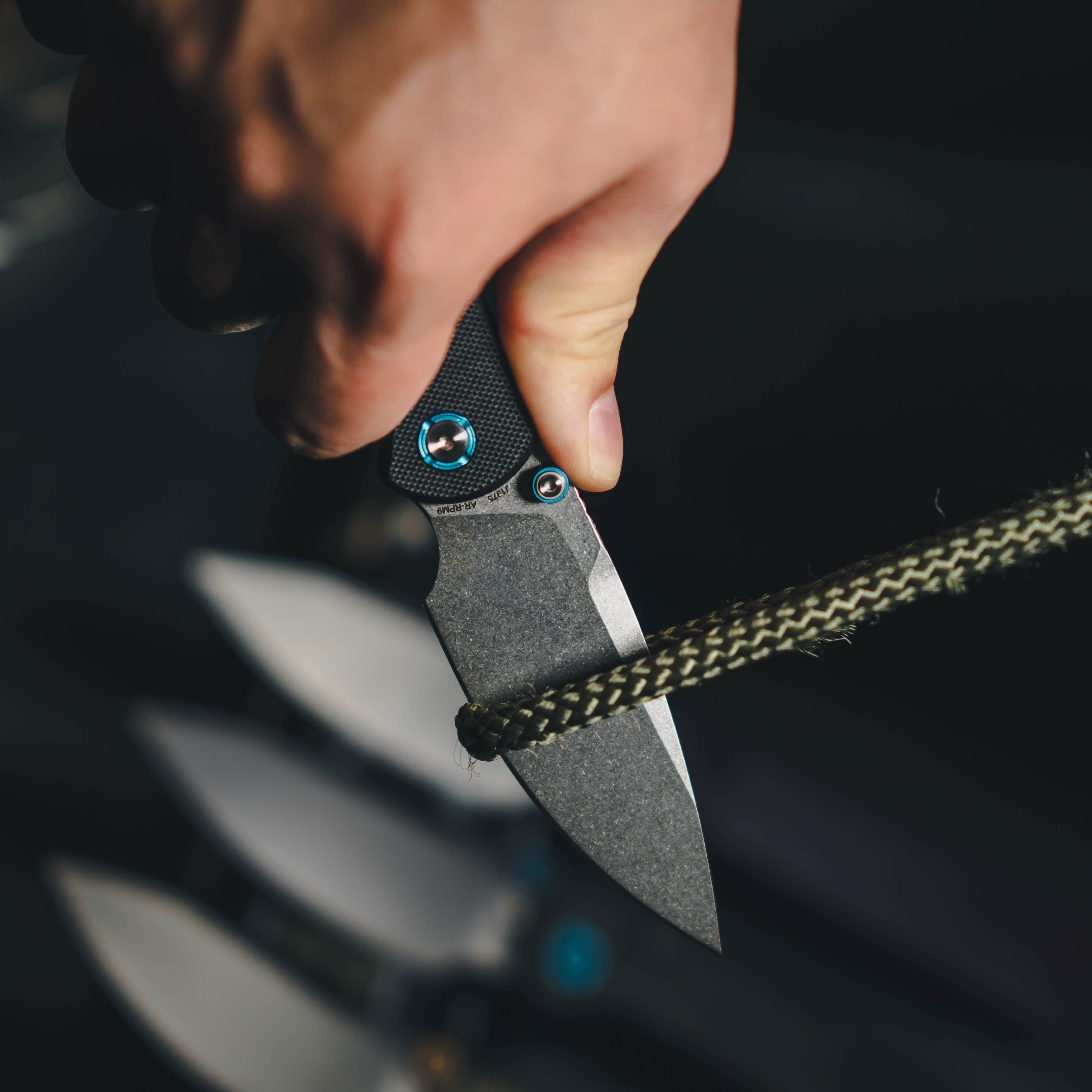
While traditional combat daggers remain popular among collectors, many modern knife manufacturers produce EDC-friendly designs that incorporate dagger-like elements. These may include modified spear-point blades with dual grinds or specialized utility knives optimized for piercing tasks. The fixed-blade knives category from Artisan Cutlery includes options that blend classic dagger aesthetics with modern materials and ergonomics.
Applications and Use Cases
Dagger blades excel in specific tasks where piercing is the primary goal:
- Self-defense: The double-edged, symmetrical profile allows for intuitive thrusting from multiple angles without blade orientation concerns.
- Outdoor survival: A sharp point aids in piercing tough materials, scoring wood, or preparing tinder.
- Collecting: Historical and modern dagger designs remain highly collectible for their craftsmanship and aesthetic appeal.
- Utility piercing: Opening packages, cutting straps, or puncturing materials — though single-edged blades are generally preferred for general EDC cutting tasks.
Materials and Construction
Modern daggers benefit from advances in blade steel technology. High-carbon stainless steels like D2, 14C28N, and premium powder metallurgy steels offer excellent edge retention combined with corrosion resistance. Handle materials range from traditional wood and micarta to modern G10, titanium, and carbon fiber, each offering different balances of weight, grip, and durability.
Legal Considerations
Dagger knives are subject to varying regulations depending on jurisdiction. Double-edged blades face restrictions in some areas due to their historical classification as fighting knives. Always check local laws before carrying a dagger-type blade for everyday use. Single-edged alternatives with spear-point profiles offer similar piercing geometry with broader legal acceptance in many regions.
Choosing the Right Dagger Knife
When selecting a dagger-style knife, consider your primary use case:
- For collection and display: Look for traditional designs with full tang construction, premium handle materials, and decorative elements.
- For outdoor use: Choose a fixed-blade model with a durable blade coating and ergonomic handle for extended use.
- For EDC adaptation: Explore modern folding designs that incorporate dagger-like blade geometry within a practical, legal package.
A well-crafted dagger knife represents a blend of historical tradition and modern materials science — a tool that has adapted across centuries while maintaining its essential character.

Leave a comment
This site is protected by hCaptcha and the hCaptcha Privacy Policy and Terms of Service apply.