

What Is M390 Steel?
M390 steel is a premium powder metallurgy stainless steel developed by Bohler-Uddeholm, an Austrian steelmaker. Known for its exceptional balance of edge retention, corrosion resistance, and wear resistance, M390 has become a benchmark grade in the high-end knife industry. It belongs to the family of third-generation powder metallurgy (PM) steels, which offer significantly finer carbide structures and more uniform composition than conventionally produced steels.
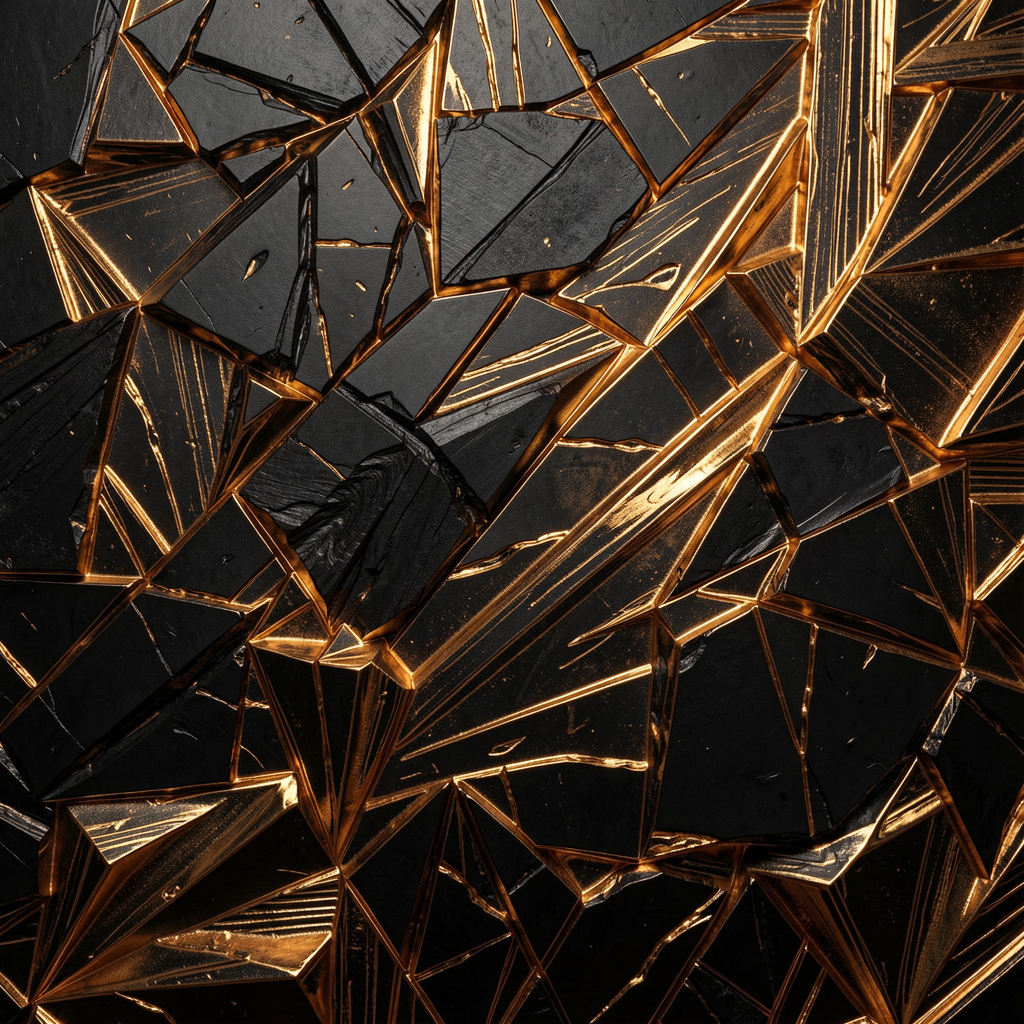
M390 steel microstructure — fine, uniform carbide distribution achieved through powder metallurgy.
M390 is widely considered one of the best all-around stainless knife steels available, particularly favored for folding knives where edge stability and stainlessness are paramount.
Composition and Properties
M390's performance comes from its carefully engineered chemical composition:
| Element | Approximate Content | Role |
|---|---|---|
| Carbon | ~1.9% | Hardness and wear resistance |
| Chromium | ~20% | Corrosion resistance |
| Molybdenum | ~1.0% | Toughness and hardenability |
| Vanadium | ~4.0% | Wear resistance via vanadium carbides |
| Tungsten | ~0.6% | Hot hardness and wear resistance |
This composition creates a steel with approximately 25% carbide volume, featuring both chromium-rich M7C3 carbides (corrosion resistance) and vanadium-rich MC carbides (wear resistance). The powder metallurgy process ensures these carbides are distributed uniformly and finely, avoiding the large, brittle carbide clusters found in conventional high-alloy steels.
Performance Characteristics
M390 excels in several key areas that knife users value:
- Edge retention: M390 maintains a sharp edge exceptionally well, often outperforming CPM-S30V, CPM-154, and VG-10 in standardized cutting tests. The high carbide volume creates a wear-resistant cutting edge that lasts through extended use.
- Corrosion resistance: With 20% chromium content, M390 is effectively stainless in nearly all practical conditions. It resists rust, staining, and pitting far better than D2 or other high-carbon non-stainless tool steels.
- Toughness: While not as tough as lower-hardness steels like 14C28N or 3V, M390 offers adequate toughness for folding knife applications. At typical heat treatment hardness of 60-62 HRC, it resists chipping during normal EDC use.
- Sharpening difficulty: The high carbide volume that gives M390 its excellent edge retention also makes it more challenging to sharpen compared to simpler steels like 1095 or 14C28N. Diamond abrasives are recommended for resharpening.
M390 vs Other Premium Steels
How does M390 compare to other popular knife steels? In edge retention, M390 generally equals or exceeds CPM-20CV and CTS-204P (which are essentially the same steel under different brand names). It outperforms S30V, S35VN, and VG-10 in most cutting-edge durability tests. Relative to RWL34, M390 offers superior corrosion resistance and comparable edge retention, though RWL34 may have slightly better toughness at similar hardness levels.
M390 is less tough than CPM-M4 or CPM-CRUWEAR, but those steels are not stainless — they require careful maintenance to prevent corrosion. For stainless performance, M390 is at the top of the class.
Knives Featuring M390 Steel
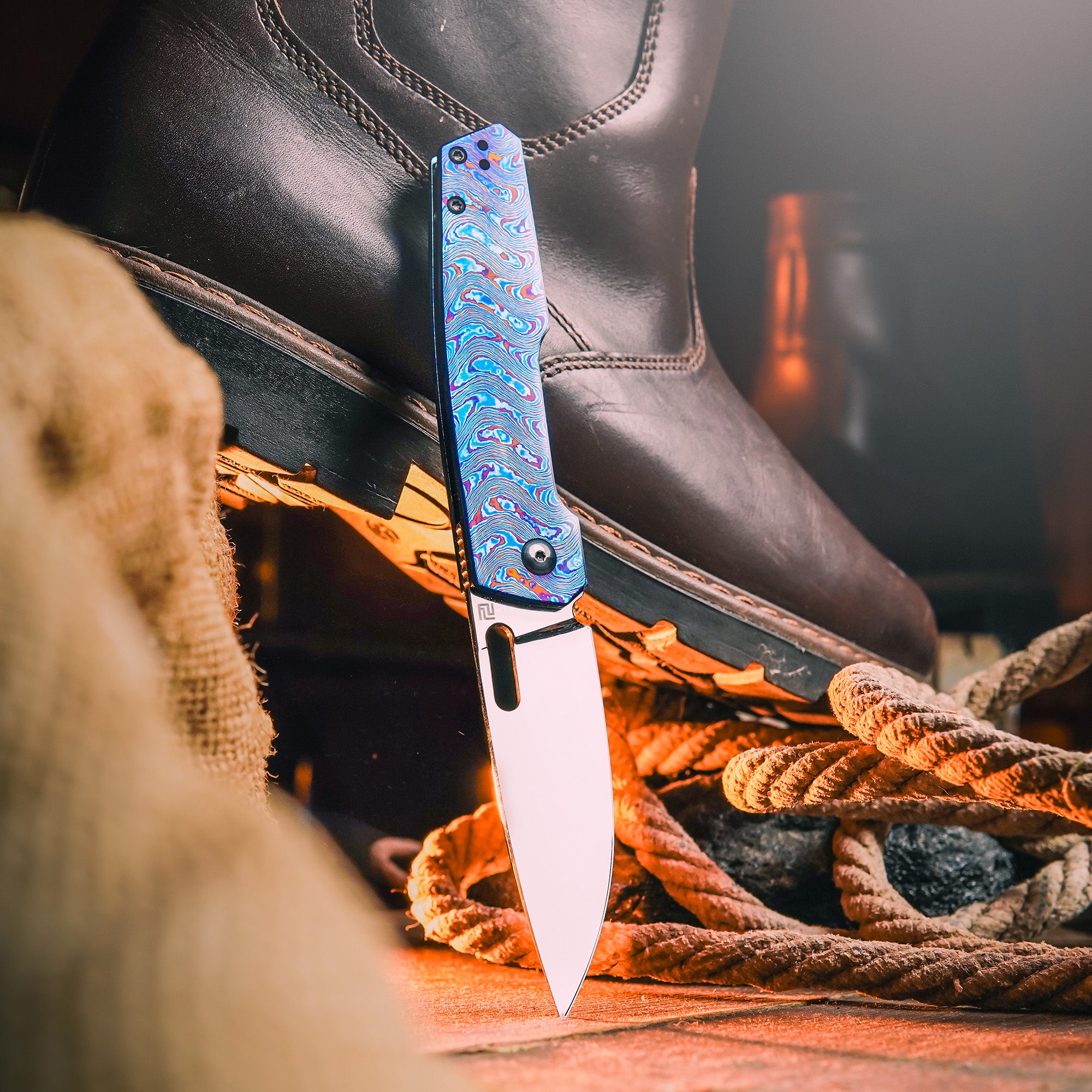
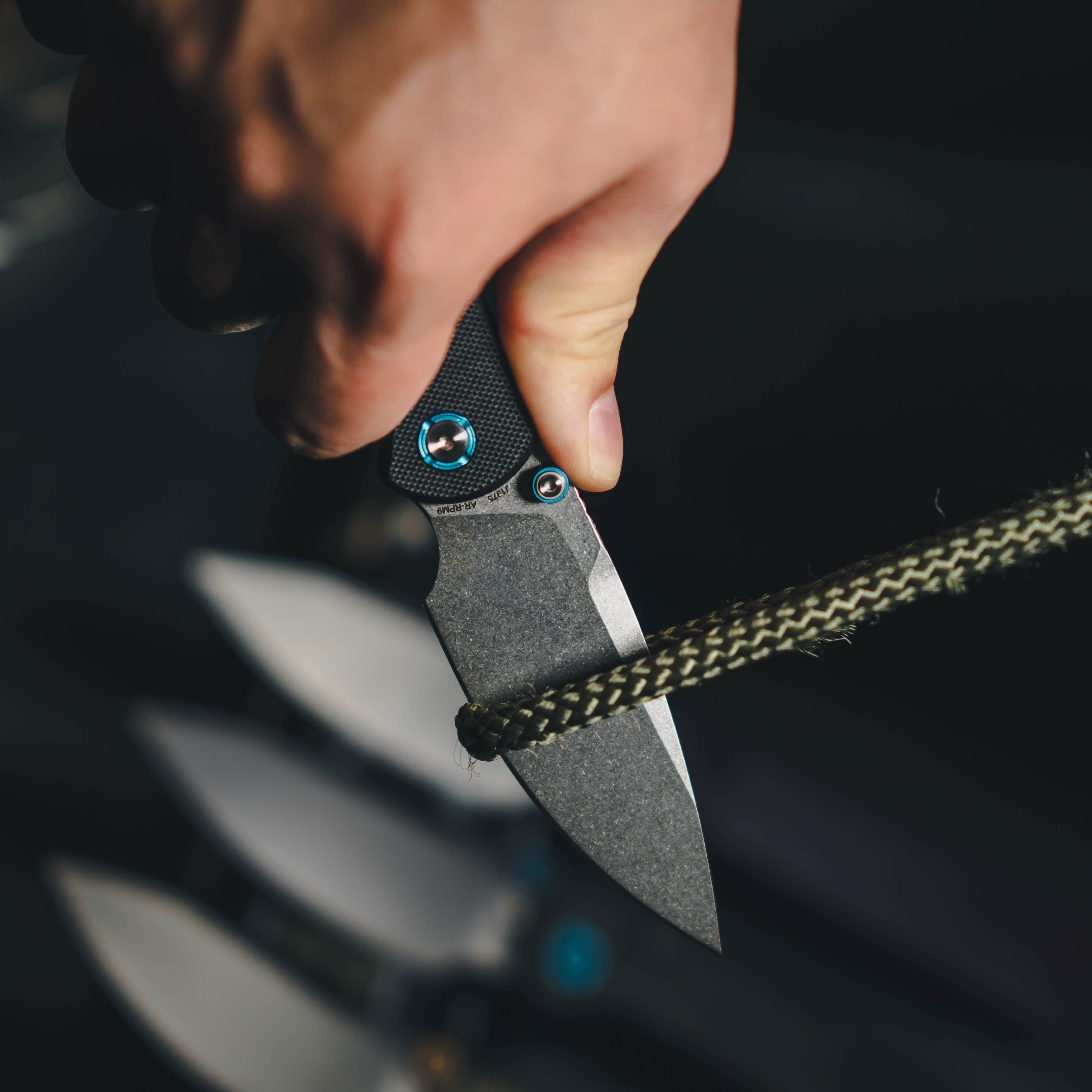
Because M390 is a premium material, it typically appears in higher-priced knives from established manufacturers. The Artisan Cutlery collection of knives includes models crafted from high-performance steels that offer exceptional edge-holding capability and corrosion resistance. Premium steel choice is a key differentiator in quality knife manufacturing, and M390 represents the upper tier of what is available to discerning users.
Heat Treatment Matters
As with any steel, heat treatment is critical to realizing M390's potential. Reputable manufacturers heat-treat M390 to a hardness range of 60-62 HRC, optimizing edge retention without sacrificing too much toughness. Proper heat treatment includes precise austenitizing temperatures, cryogenic treatment, and tempering cycles. The difference between well-treated and poorly treated M390 can be dramatic — always choose brands with proven heat-treatment processes.
For those interested in deeper technical details, the educational resource Knife Steel Nerds offers extensive analysis of M390 and other powder metallurgy steels.


Leave a comment
This site is protected by hCaptcha and the hCaptcha Privacy Policy and Terms of Service apply.