


What Is a Damascus Pocket Knife?
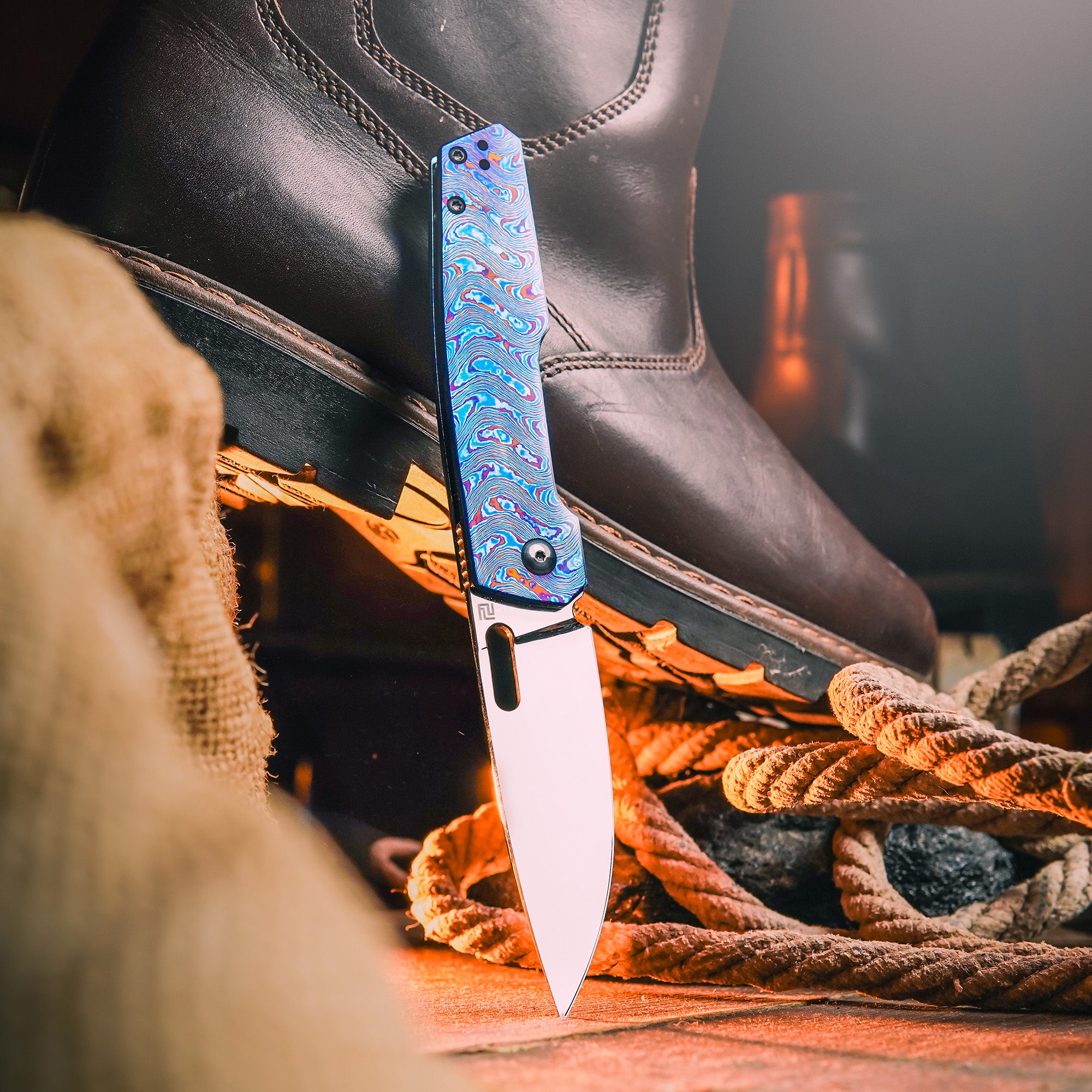
A damascus pocket knife is a folding knife featuring a blade made from pattern-welded steel — a technique that layers different types of steel together, forge-welding them into a single billet. When etched with acid, the different steel layers react at different rates, revealing the distinctive wavy, flowing patterns that make each blade unique. Unlike mass-produced monosteel blades, every damascus pocket knife carries a one-of-a-kind visual fingerprint.
The layered pattern of damascus steel is created by forge-welding alternating steel types.
Historically, true Damascus steel (also known as Wootz) originated in the Middle East and was renowned for its strength, sharpness, and characteristic watered pattern. Modern damascus steel, or pattern-welded steel, recreates this look by stacking alternating layers of high-carbon and nickel-bearing steels. The result combines visual artistry with real cutting performance.
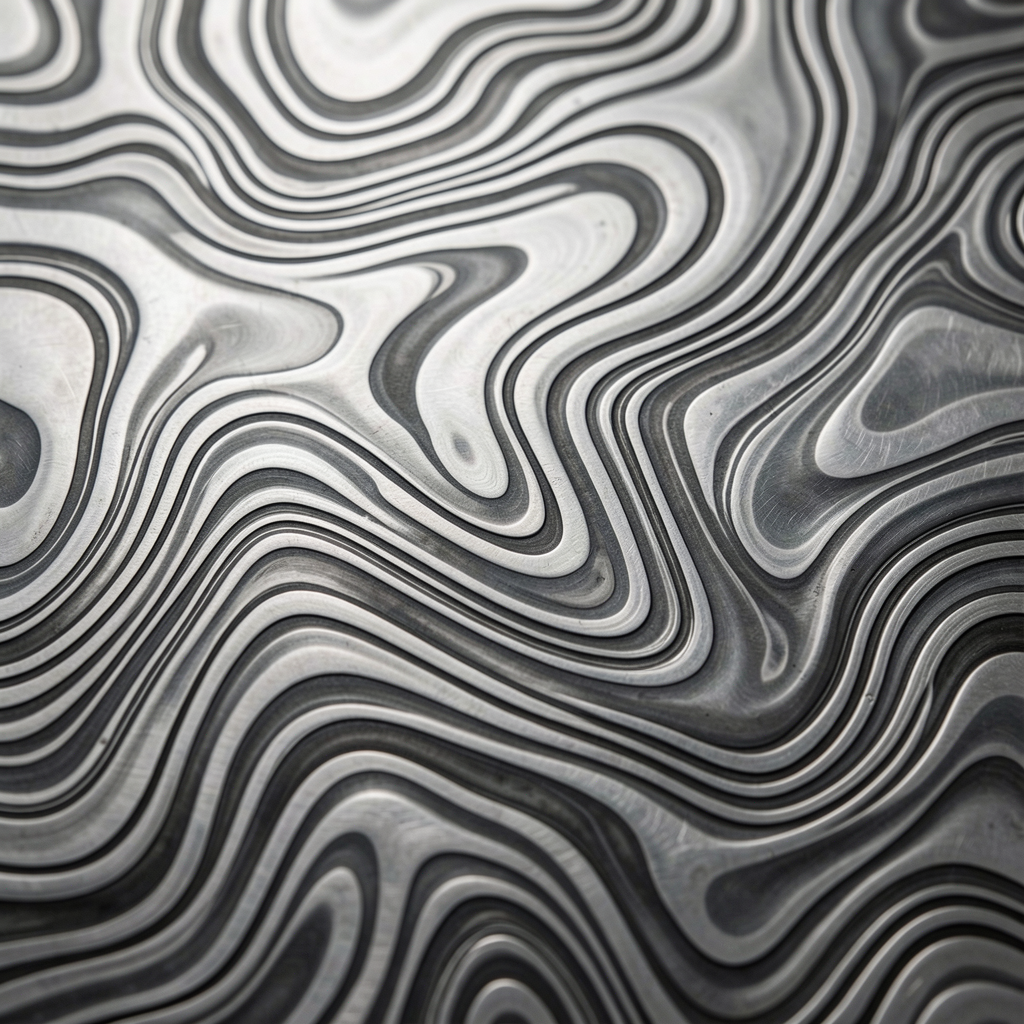
The layered pattern of damascus steel is created by forge-welding alternating steel types.
Why Choose a Damascus Folding Knife?
- Unique aesthetics — no two blades have the same pattern
- Good edge retention — high-carbon layers hold a sharp edge
- Conversation piece — the visual appeal draws attention
- Collectible value — each blade is effectively a unique piece
Damascus blades tend to be priced higher than monosteel equivalents due to the labor-intensive forging process. The layer count, steel types used, and pattern complexity all affect the final quality and cost. A high-quality damascus blade with 200+ layers offers both beauty and reliable edge performance.
Damascus vs. Monosteel: Quick Comparison
| Feature | Damascus Steel | Monosteel |
|---|---|---|
| Appearance | Unique layered pattern | Uniform finish |
| Edge retention | Good (depends on core steel) | Consistent |
| Price | Premium | Standard to premium |
| Maintenance | Needs oil to prevent rust | Varies by steel |
| Uniqueness | Every blade is one of a kind | Uniform production |
Choosing Your Damascus Pocket Knife
When selecting a damascus pocket knife, consider the blade steel composition. Many damascus billets use a high-carbon core (like 1095 or VG-10) surrounded by softer nickel-bearing layers. This gives a hard, wear-resistant edge with a visually striking body. The handle material matters too — damascus pairs beautifully with natural materials like wood, micarta, and bone.
Artisan Cutlery offers a curated selection of damascus folding knives spanning multiple handle materials and blade profiles. Each knife showcases the distinctive pattern-welded steel alongside premium handle craftsmanship. Browse the full folding knife collection to find the right damascus piece for your carry rotation.
Caring for Damascus Steel
Damascus steel requires slightly more care than stainless steel. The high-carbon layers are susceptible to rust if left wet. After use, wipe the blade clean and apply a light coat of mineral oil. For more on the metallurgy behind damascus, Knife Steel Nerds provides thorough technical breakdowns of how different steel layers interact during forge-welding and etching.



Leave a comment
This site is protected by hCaptcha and the hCaptcha Privacy Policy and Terms of Service apply.