


Why Knife Lock Types Matter
On a folding knife, the locking mechanism is what keeps the blade securely open during use. A reliable lock prevents accidental closure that could cause injury, and different knife lock types offer varying trade-offs between strength, ease of use, and mechanism complexity. Understanding how each lock works helps you choose the right folding knife for your needs.
Different lock types offer varying strength, convenience, and fidget-friendly operation.
Below we break down the most common locking mechanisms found on modern folding pocket knives, from the everyday liner lock to the increasingly popular button lock.
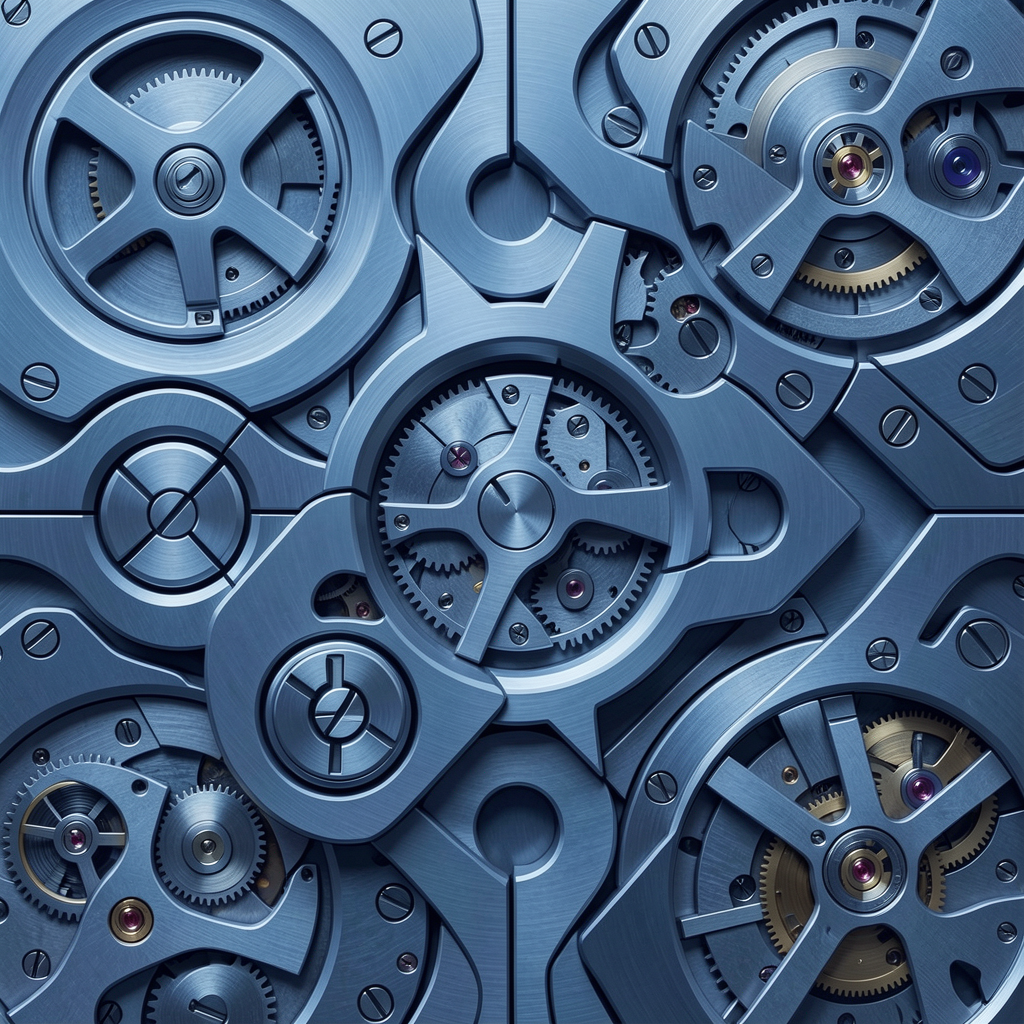
Different lock types offer varying strength, convenience, and fidget-friendly operation.
Liner Lock
The liner lock is the most widely used locking mechanism in folding knives. A spring-loaded metal liner — a thin steel plate inside the handle — snaps into place behind the blade's tang when the knife is opened. To disengage, you push the liner sideways to release the blade.
- Strength: Good for most EDC tasks
- Operation: One-handed closure (push liner, close blade)
- Found on: Most mid-range and premium EDC knives
Browse liner lock folding knives at Artisan Cutlery for models spanning blade steels and handle materials.
Frame Lock (Integral Lock)
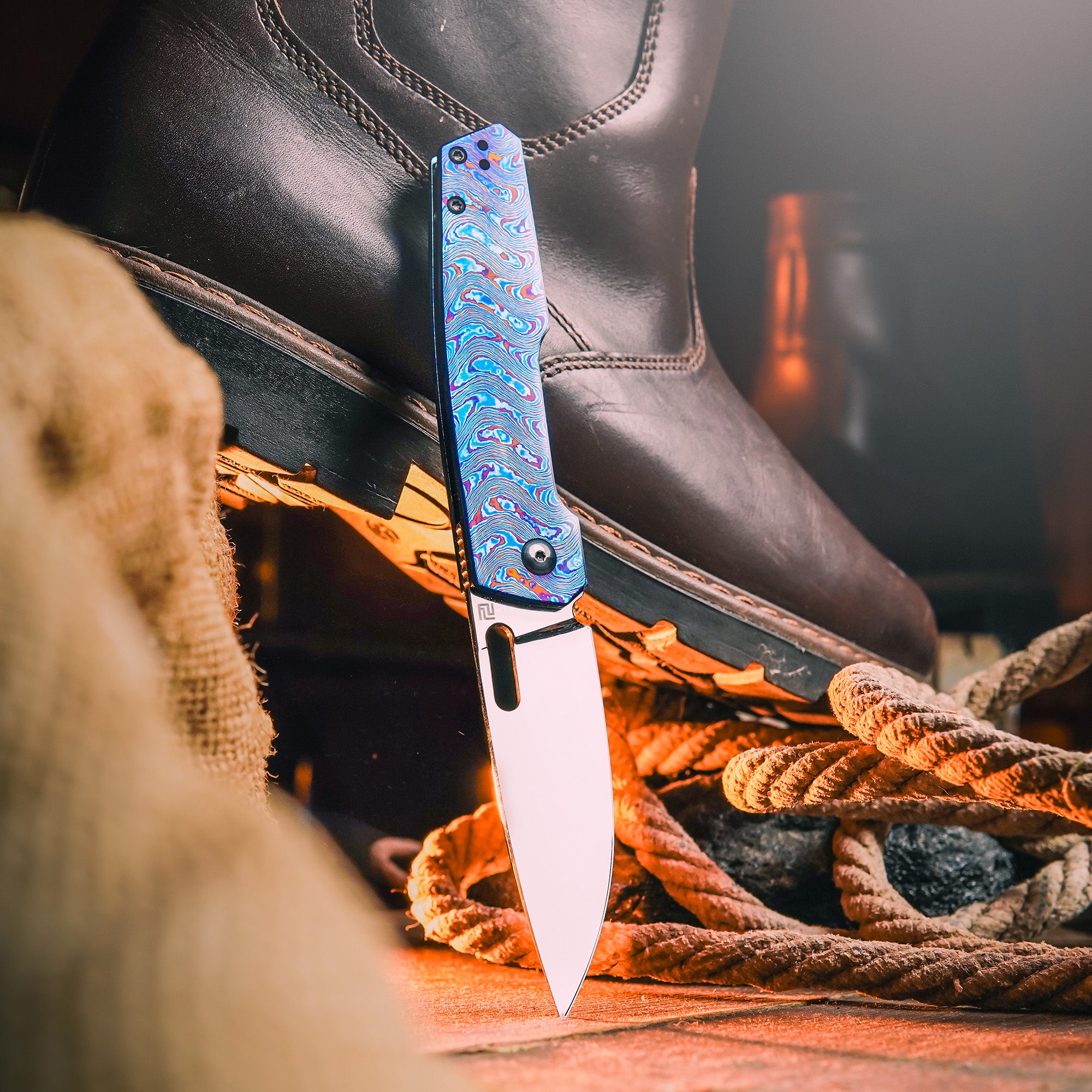
The frame lock is essentially a liner lock integrated into the handle frame itself. Instead of a separate steel liner, a cutout section of the handle — typically titanium or stainless steel — flexes inward to lock the blade. Frame locks are known for their strength and clean appearance with no visible lock bar cutout on one side.
- Strength: Very high — handle material directly locks the blade
- Operation: One-handed, similar to liner lock
- Found on: Premium titanium folding knives
See the frame lock knife selection for premium build options.
Button Lock
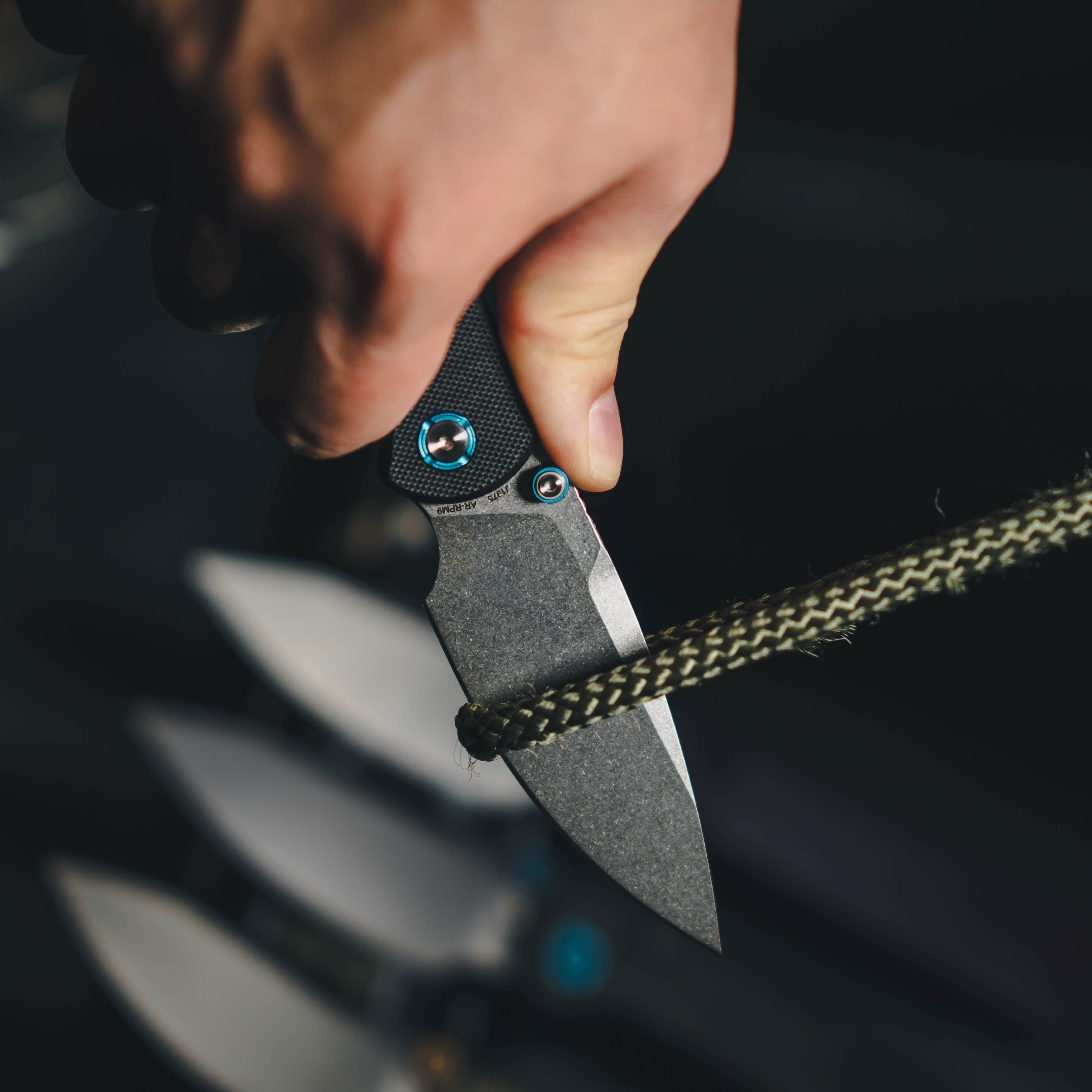
The button lock uses a spring-loaded plunger that engages a notch in the blade tang. Pressing the button retracts the plunger, allowing the blade to swing freely. Button locks have gained popularity for their fidget-friendly operation — press and flick to close.
- Strength: Good — reliable when well-made
- Operation: Push button, flick wrist to close
- Found on: Modern EDC knives, crossbar lock alternatives
Explore button lock knives for smooth, one-handed operation.
Lock Type Comparison
| Lock Type | Strength | Ease of Use | Fidget Factor |
|---|---|---|---|
| Liner Lock | Good | Easy | Moderate |
| Frame Lock | Very High | Easy | Moderate |
| Button Lock | Good | Very Easy | High |
| Crossbar Lock | Very High | Easy | High |
Which Lock Is Right for You?
If you prioritize strength and have a moderate budget, a liner lock or frame lock is a proven choice. If you enjoy smooth action and fidget-friendly deployment, the button lock is excellent. For a broader view of folding knife design, Wikipedia's knife article covers lock types and general knife history. Browse the full folding knife collection to compare models with different locking mechanisms side by side.



Leave a comment
This site is protected by hCaptcha and the hCaptcha Privacy Policy and Terms of Service apply.