


One of the most fundamental decisions in everyday carry is choosing between a folding knife and a fixed blade. Each configuration has passionate advocates, and both have legitimate use cases. But for the vast majority of EDC carriers, the answer depends on daily cutting needs, legal considerations, carry methods, and personal preference. This guide compares folding knives and fixed blades across the factors that matter most for everyday use.

Choosing between a folding knife and a fixed blade depends on your daily tasks, carry method, and local laws.
The Case for Folding Knives
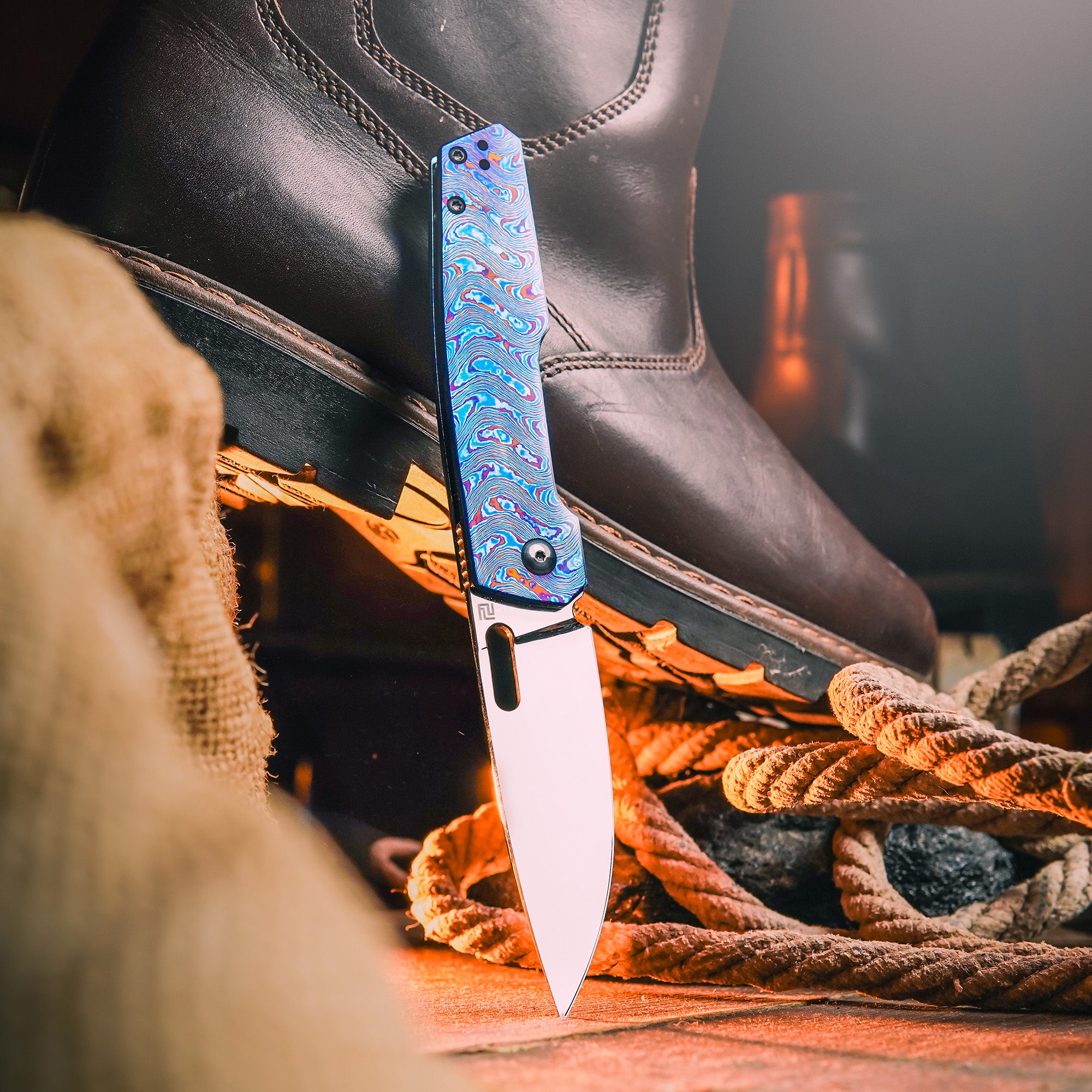
Folding knives dominate the EDC landscape for good reason. Their collapsible design makes them compact, pocketable, and socially unobtrusive.
Advantages of Folding Knives
- Pocket-friendly: Folders fit neatly in a pocket via a pocket clip, taking up minimal space. No sheath is required, and the knife is completely enclosed when closed.
- Legal carry: Most jurisdictions have more permissive carry laws for folding knives under a specific blade length (typically 3-4 inches) than for fixed blades, which may be classified differently.
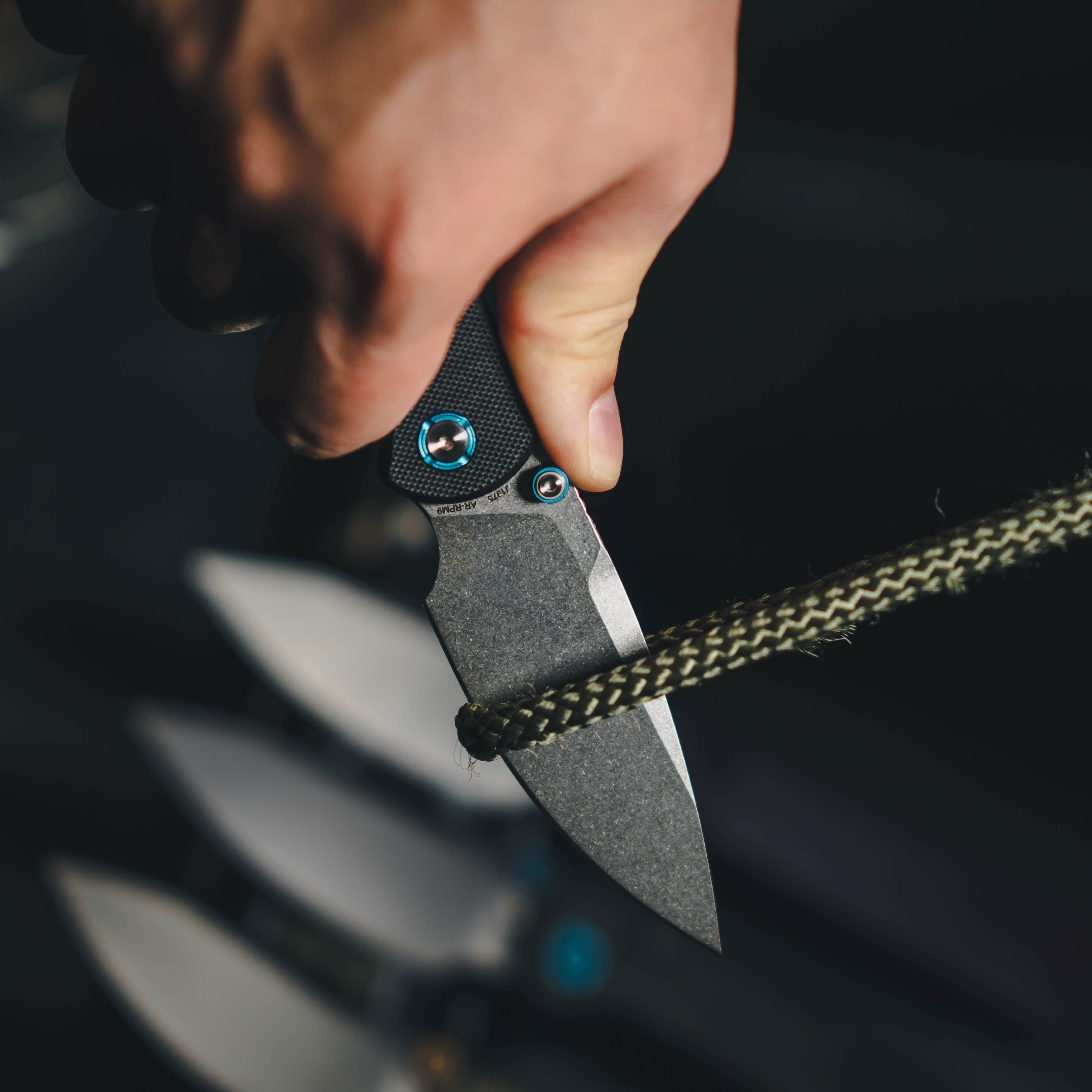
- One-handed operation: Modern folding knives deploy with one hand using a thumb stud, flipper tab, or thumb hole - essential when your other hand is occupied.
- Variety of locking mechanisms: Frame locks, liner locks, button locks, and crossbar locks all provide secure blade retention during use while allowing easy one-handed closure.
- Discreet carry: A folded knife in the pocket looks like any other pocket-clipped tool. It does not signal the word 'knife' to bystanders the way a fixed blade on the belt does.
The Case for Fixed Blades
Fixed blades are simpler, stronger, and more durable by design. With no moving parts, locks, or pivots to fail, they represent the most mechanically reliable knife configuration.
Advantages of Fixed Blades
- No mechanical failure points: No pivot to loosen, no lock to fail, no spring to wear out. A fixed blade is one solid piece of steel with a handle attached.
- Faster deployment: Draw and cut. No unfolding step required. In situations where seconds matter, a fixed blade is ready immediately.
- Stronger blade geometry: Without the hinge/relief cut needed for folding, fixed blades can have a full tang and continuous blade geometry, making them inherently stronger for prying or heavy cutting.
- Easier cleaning and maintenance: No disassembly needed to clean out pocket lint, dirt, or food debris. Wash and dry.
Practical Comparison Table
| Factor | Folding Knife | Fixed Blade |
|---|---|---|
| Pocket carry | Excellent - clip carry, compact | Requires sheath, belt or pack space |
| Legal restrictions | Generally fewer restrictions | Tighter restrictions in many areas |
| Deployment speed | 1-2 seconds (one-handed) | Instant (draw and cut) |
| Mechanical reliability | Dependent on lock and pivot | No moving parts to fail |
| Strength for hard use | Moderate - avoid prying | Excellent - full tang designs |
| Ease of cleaning | Requires partial disassembly | Can be rinsed and dried |
| Social discretion | High - looks like a tool | Low - visible knife on belt |
| Weight | 2-5 oz typical | 4-8 oz typical with sheath |
When Each Configuration Excels
Choose a folding knife if:
- You carry a knife daily in an office, urban, or suburban environment
- Your cutting tasks are light to moderate (boxes, tape, cordage, packages, food prep)
- Legal restrictions in your area limit fixed blade carry
- You prioritize pocket space and discretion
- You want one-handed deployment without drawing attention
Choose a fixed blade if:
- You work outdoors, camp regularly, or need a knife for hard-use tasks
- You value absolute mechanical simplicity and strength
- You are willing to carry a belt sheath or pack-mounted knife
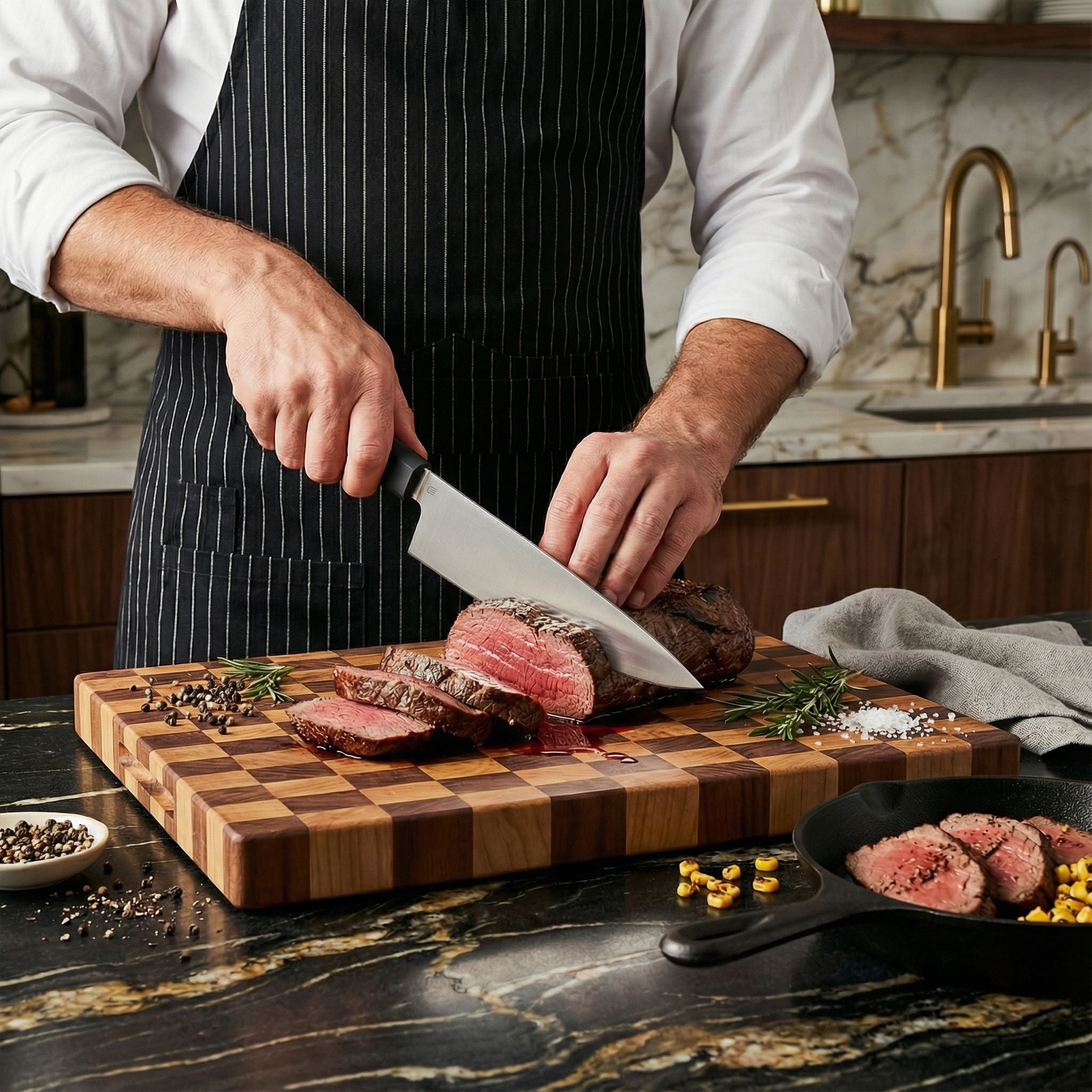
- Your cutting tasks include heavy materials, food processing, or outdoor chores
- Legal restrictions in your area permit fixed blade carry
The Middle Ground: Small Fixed Blades for EDC
In recent years, compact fixed blades under 4 inches overall have grown in popularity as an EDC option. These small fixed blades - often called neck knives or pocket fixed blades - pair the simplicity of a fixed blade with a form factor that fits in a pocket or hangs discreetly under a shirt. They split the difference between folder portability and fixed-blade durability, though they still require a sheath and do not offer one-handed closure.
Making Your Choice
For most EDC carriers, a quality folding knife is the most practical and versatile choice. It handles 95% of everyday cutting tasks, disappears in the pocket, and keeps you legally compliant in most areas. If you regularly find yourself pushing a folding knife past its intended limits - prying, batoning, or cutting through dense materials - a small fixed blade as a companion tool might be worth considering. Many experienced EDC carriers own both: a folder for daily urban carry and a fixed blade for outdoor excursions.
Find your ideal everyday carry configuration - explore the Artisan Cutlery folding knife collection for premium EDC folders built for reliable everyday carry.


Leave a comment
This site is protected by hCaptcha and the hCaptcha Privacy Policy and Terms of Service apply.