

A butterfly knife's action — how smoothly it opens, how securely it locks, and how satisfying it feels in the hand — is the defining characteristic of any quality balisong. Whether you are a beginner learning your first basic open or an experienced flipper working on aerials, the interplay between pivot tension, handle balance, and overall flip performance determines how the knife behaves. This guide breaks down what makes butterfly knife action work and how to tune it for your preferred style.

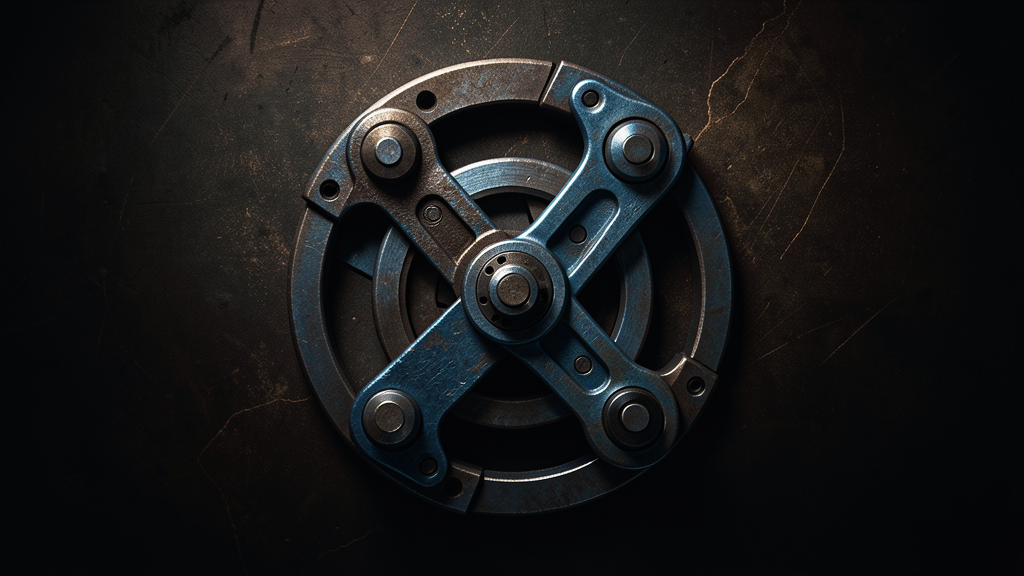
Pivot bearing and washer systems define the smoothness of butterfly knife action.
Understanding Pivot Tension
The pivot is the heart of any butterfly knife. It connects the two handles to the blade and determines how freely the knife swings. Pivot tension refers to how tight or loose this connection is, controlled by the pivot screw or pin.
- Loose tension: Handles swing freely with minimal effort. Favored by advanced flippers for speed and momentum-based tricks, but can introduce blade play (lateral wobble).
- Tight tension: Handles require deliberate force to move. Common on factory knives for safety, but can feel sluggish and hinder smooth flipping.
- Medium tension: The sweet spot for most users. Handles swing open with a light wrist flick but close with enough resistance to feel controlled.
Most production butterfly knives ship with medium-to-tight tension for safety during shipping. Adjusting the pivot screw a quarter-turn at a time — and applying thread locker afterward — is the standard method for finding your ideal setting.
Handle Balance and Weight Distribution
Balance refers to how weight is distributed between the two handles and the blade. It dramatically affects flip character:
| Balance Type | Characteristics | Best For |
|---|---|---|
| Handle-heavy | More weight in the handles than the blade; slower rotations but more stability | Beginners, basic opens, chaplins |
| Blade-heavy | More weight in the blade; faster spins and more momentum | Advanced aerials, fan tricks |
| Neutral | Equal weight distribution; predictable and versatile | All-round practice, learning new tricks |
Handle-heavy balance is common on trainer butterfly knives, where the blade is replaced with a weighted trainer. Live-blade balisongs tend toward neutral or slightly blade-heavy balance depending on blade geometry. Handle materials such as titanium, G10, or stainless steel also shift balance — heavier handle materials shift weight toward the handles, while lighter materials let the blade dominate the balance feel.
Washers vs Bearings in Balisong Pivots
The pivot system itself plays a major role in action quality. Most butterfly knives use one of two pivot systems:
- Phosphor bronze or nylon washers: Traditional and reliable. Washers reduce friction between the blade tang and handles. They provide smooth swing with some resistance and are easy to maintain with oil. Most production balisongs under $200 use washer-based pivots.
- Bearing pivots: Higher-end butterfly knives sometimes incorporate caged bearings within the pivot. Bearings minimize friction nearly completely, allowing ultra-free-swinging handles. Maintenance is more involved — bearings must stay clean and lubricated — and they are less common in balisongs than in standard folding knives due to the lateral stress of flipping.
How Handle Materials Affect Flip Feel
The material of the handles directly changes how a butterfly knife feels during use:
- Titanium handles: Lightweight and strong. Titanium balisongs flip quickly and feel nimble but can feel too light for some users seeking momentum-based tricks. Commonly found on premium models.
- Stainless steel handles: Heavier, providing more rotational inertia. Stainless handles deliver a satisfying heft but can fatigue the wrist during extended practice sessions.
- G10 or aluminum handles: Mid-weight options that offer a balanced feel. G10 adds texture for grip without extra mass.
Latch Systems and Their Effect on Action
The latch — the mechanism that keeps the knife closed when not in use — also influences overall action feel. Spring-loaded latches add slight handle weight and can rattle during flipping. Standard tang pins or channel-style latches are quieter and create a cleaner flip experience. Many flippers prefer latch-free butterfly knives for the smoothest possible action, using elastic bands or holsters for carry retention instead.
Breaking In a New Butterfly Knife
A brand-new butterfly knife often feels stiff. This is normal and expected. The pivot components and handle contact surfaces need a break-in period — typically 200 to 500 open-and-close cycles — to wear in and achieve their intended action quality. Applying a small drop of lightweight oil (such as mineral oil or specialized pivot oil) to the pivot area and working it through the motion accelerates this process without risking over-loosening the pivot screws.
Explore the full Artisan Cutlery collection for premium folding knives built with precision pivot engineering.


Leave a comment
This site is protected by hCaptcha and the hCaptcha Privacy Policy and Terms of Service apply.