
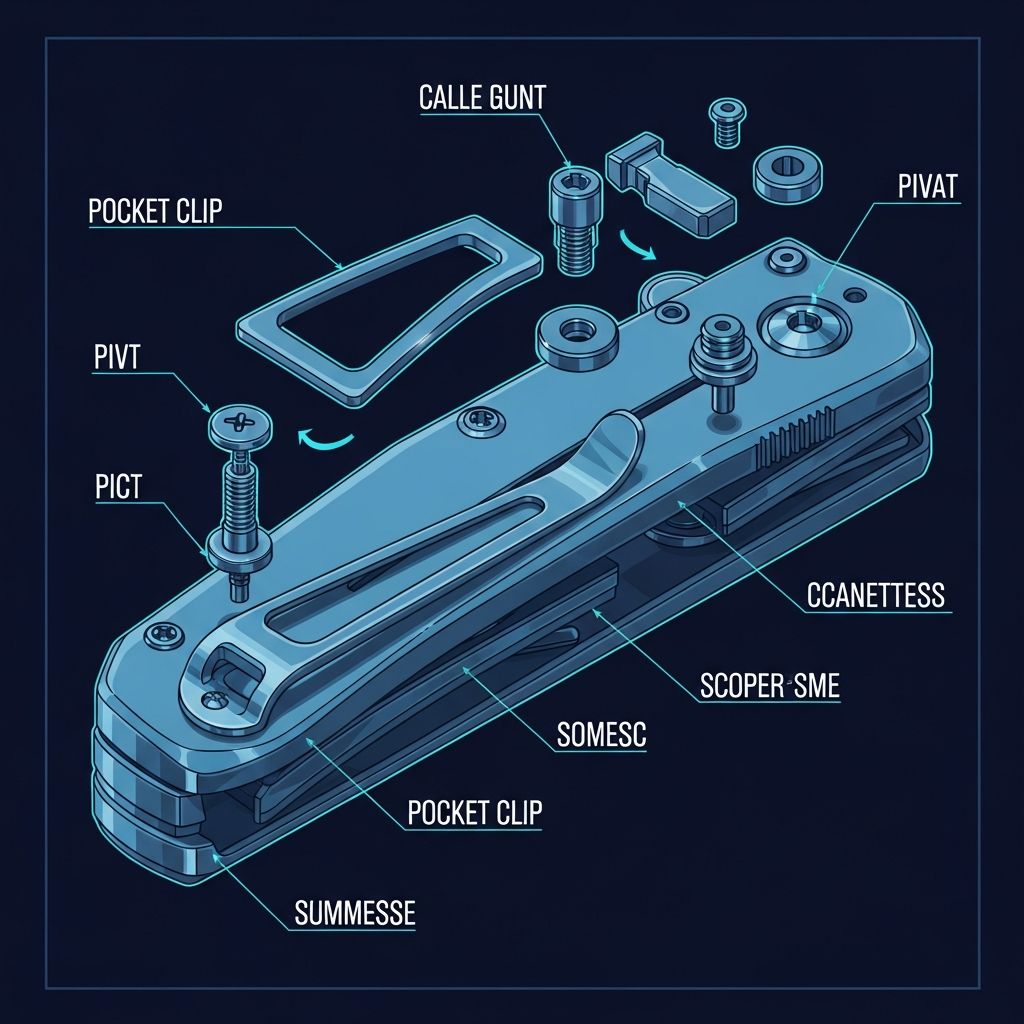
Finding Your Perfect EDC Knife Carry Style
How you carry your folding knife affects not just convenience but also safety, accessibility, and longevity of the knife itself. With so many options — tip-up, tip-down, deep carry, left or right-hand, pocket or belt — finding the right carry method can transform your daily experience. Let's walk through each carry style and help you find what works best for your lifestyle.
Tip-Up vs Tip-Down Carry
The orientation of your knife in your pocket determines how you draw and deploy it. This is one of the most debated topics in the EDC community.
- Tip-Up Carry: The blade points upward in the pocket. When you draw the knife, your thumb naturally lands on the thumb stud or flipper tab for immediate deployment. This is the most popular carry method today and is preferred for quick one-handed opening.
- Tip-Down Carry: The blade points downward in the pocket. The clip is mounted near the pivot, so the knife rides deeper. Drawing requires repositioning the knife in your hand before opening — an extra step that can slow deployment.
Most modern EDC knives are designed primarily for tip-up carry, and for good reason: it provides the fastest deployment with minimal hand movement.
Deep Carry vs Standard Carry
The pocket clip design has evolved significantly in recent years, with deep-carry clips becoming the preferred choice for discreet carry.
- Deep Carry Clips: These position the knife so that only the clip is visible above the pocket seam. The knife itself sits entirely inside the pocket, offering maximum discretion and a cleaner appearance.
- Standard Clips: A portion of the handle remains visible above the pocket. This makes the knife easier to grab but also more conspicuous. Standard clips often provide a more generous purchase for drawing.
- Wire Clips: Popularized by Spyderco, these spring-steel clips offer deep carry with low profile and are gentle on pocket seams.
Pocket Clip Position Comparison
| Feature | Deep Carry | Standard Clip | Wire Clip |
|---|---|---|---|
| Discretion | Excellent | Moderate | Very Good |
| Ease of Draw | Moderate | Excellent | Good |
| Pocket Wear | Low | Moderate | Very Low |
| Security | Good | Very Good | Moderate |
| Common On | Premium EDC | Tactical Knives | Light EDC |
Right-Hand vs Left-Hand Carry
Most folding knives are designed for right-handed carry by default, but many quality EDC knives offer reversible clips for left-handed users. Ambidextrous designs are increasingly common, with clips that can be repositioned to any corner of the handle. If you carry left, look for knives with four-position pocket clips (tip-up left, tip-up right, tip-down left, tip-down right) for maximum flexibility.
Alternative Carry Methods
- Belt/Sheath Carry: A horizontal or vertical sheath on your belt keeps the knife accessible without occupying pocket space. Ideal for larger knives or when wearing pants without sturdy pockets.
- Pocket Slip / Pouch: A leather or nylon slip protects both the knife and your pocket. Great for knives without clips or when you rotate between multiple knives.
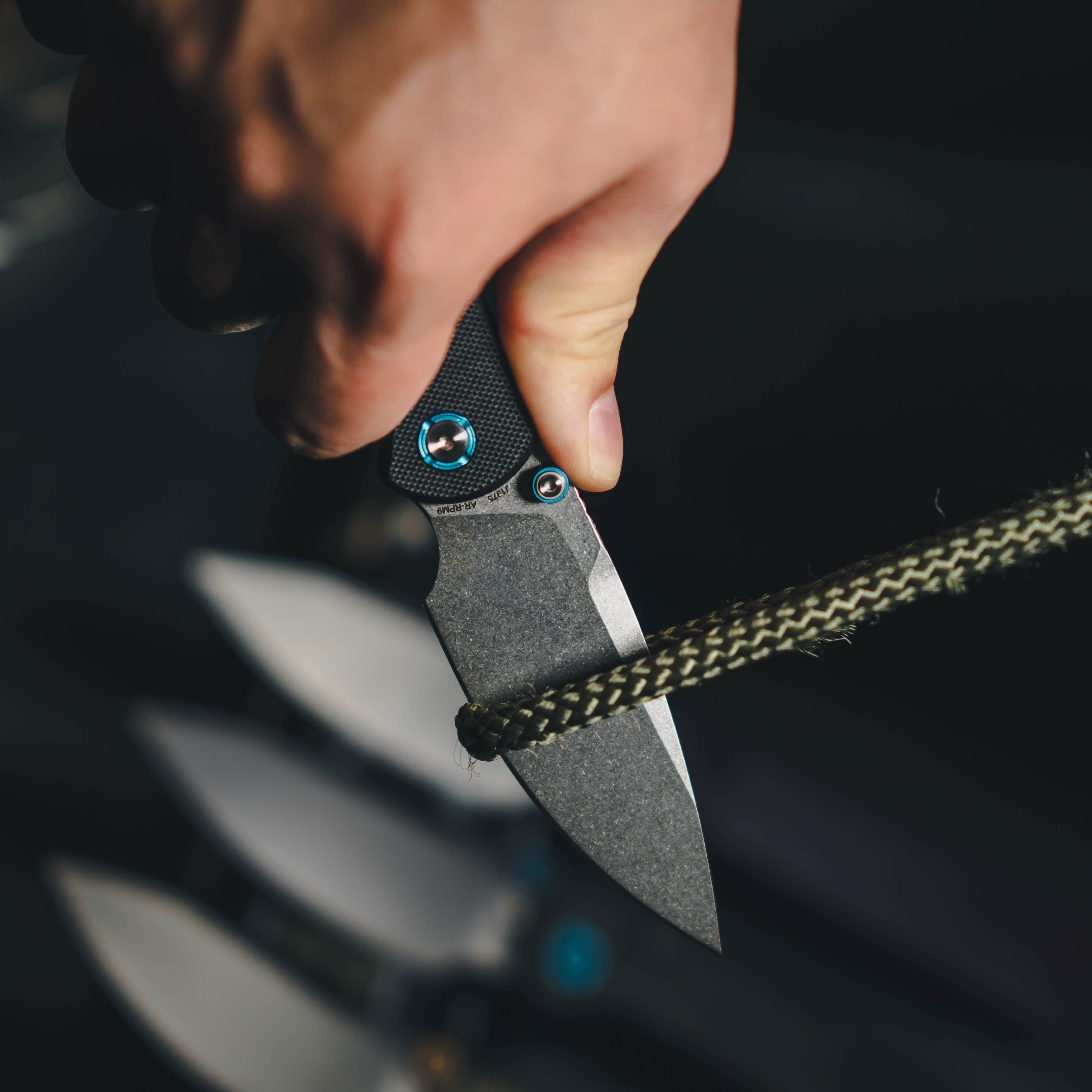
- Neck Carry: A small, lightweight knife worn on a paracord or chain around the neck. Best for ultralight or minimalist carry setups.
- IWB (Inside Waistband): Similar to a concealed firearm holster, an IWB sheath carries the knife inside your waistband for maximum concealment.
Tips for Comfortable All-Day Carry
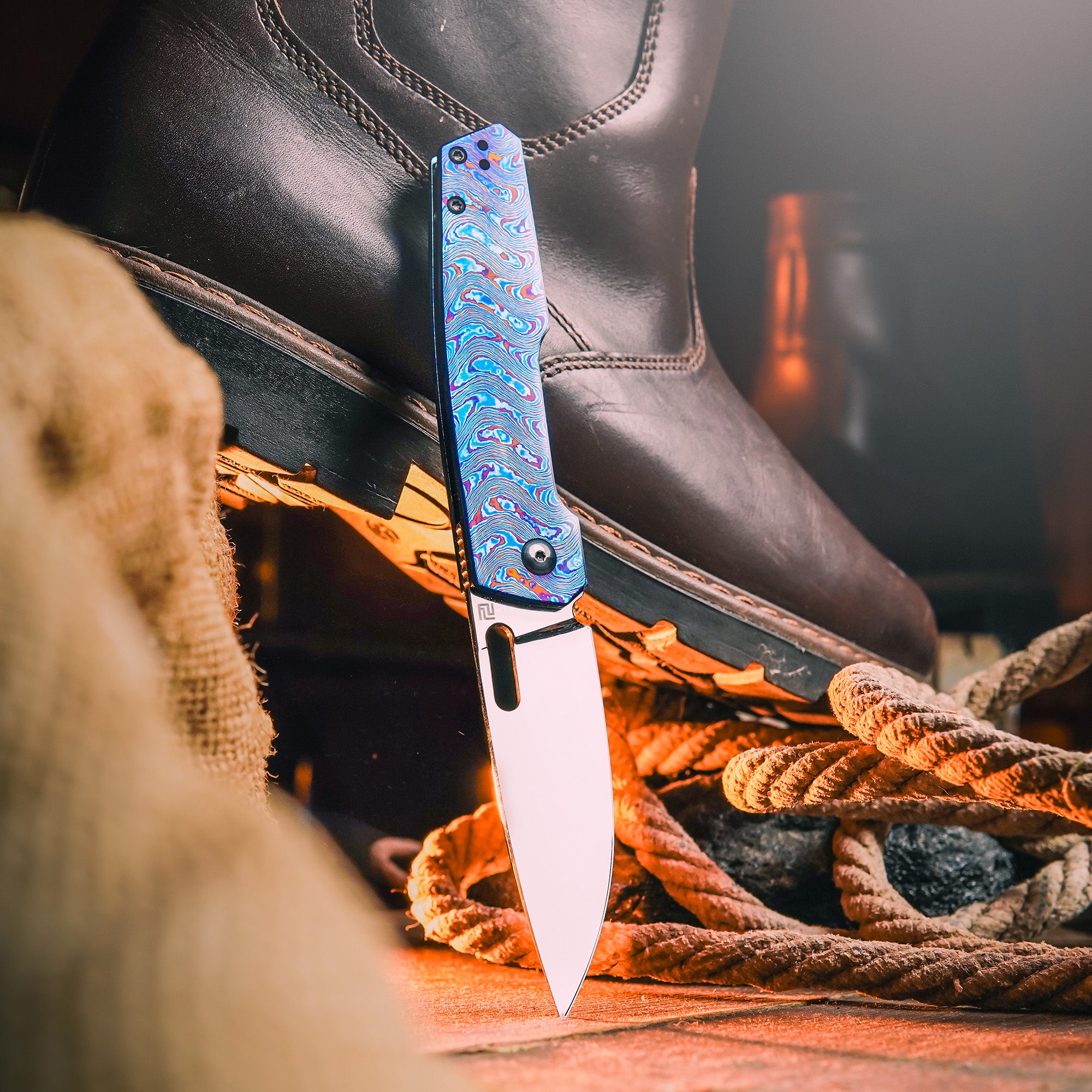
Carrying a knife all day every day requires thoughtful consideration. Choose a knife with a slim profile that doesn't create a bulge in your pocket. If you wear dress pants or formal attire, a deep-carry clip on a lightweight knife like those found in Artisan Cutlery's folding knife range offers discreet carry without printing. Clean your pocket clip regularly — lint and debris can loosen clip tension over time, affecting retention.


Leave a comment
This site is protected by hCaptcha and the hCaptcha Privacy Policy and Terms of Service apply.