


Rust on a knife blade looks alarming, but in most cases it is fixable — and fixing it early is far easier than letting it spread. Whether it is a light surface haze on a carbon steel blade or a few orange spots on a stainless folder, the right method removes the corrosion without destroying the blade's finish or geometry. This guide covers safe rust removal methods, step by step.
Early rust removal with gentle methods preserves the blade's original finish.
First, Assess the Damage
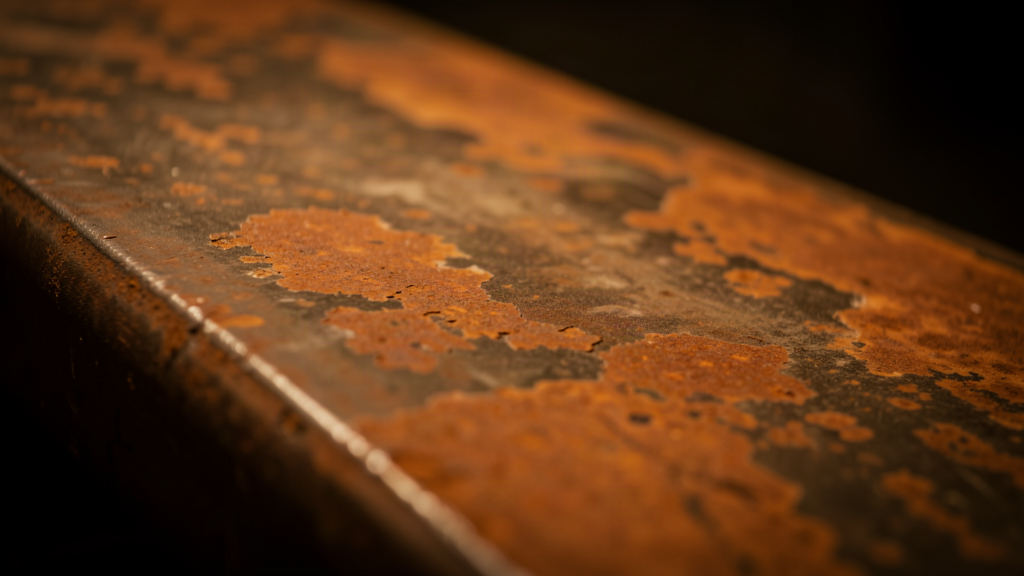
Rust forms when iron in the blade reacts with oxygen and moisture. It comes in two broad forms:
- Surface rust: a light, often reddish film on the surface. This is cosmetic and usually removable with gentle methods.
- Pitting: deeper corrosion that has eaten into the steel, leaving small craters. Pits can be minimized but rarely removed completely — the goal becomes stopping the spread.
If the blade is only lightly spotted, start with the gentlest method and escalate only if needed. Aggressive methods remove steel, and a blade should never be sacrificed to a few rust specks.
Method 1: Soap, Water, and a Soft Cloth
For very light surface rust, a drop of mild dish soap on a damp cloth is often enough. Rub along the blade, rinse, and dry thoroughly. This removes loose particles and tells you how much corrosion is actually left. Always dry the blade completely afterward — moisture left behind starts the process over.
Method 2: Vinegar Soak
For heavier surface rust, white vinegar is a classic household rust remover. The mild acid dissolves the iron oxide without attacking the underlying steel as aggressively as stronger acids.
- Wipe the blade clean and dry it.
- Soak a cloth or paper towel in white vinegar and wrap the blade, or submerge only the blade in a shallow dish.
- Leave it for 15 to 30 minutes, checking every few minutes. Do not soak overnight — vinegar can etch the steel and darken the finish.
- Remove, rinse thoroughly with water, and neutralize with a little baking soda and water paste if desired.
- Dry completely and oil the blade.
Vinegar works well on plain carbon steels and most stainless steels, but avoid soaking knives with non-stainless liners or hardware — the acid can affect other parts. For folders, consider removing the blade from the handle first if you are comfortable doing so.
Method 3: Rust Eraser or Fine Abrasive
A rust eraser (a soft abrasive block) or very fine abrasive paper (1000-2000 grit) removes surface rust mechanically. This is the most controlled way to target spots without soaking the whole blade.
- Rub the rust eraser along the blade in one direction, following the original finish grain.
- Wipe away the residue and check progress frequently.
- For stubborn spots, use fine abrasive paper backed by a flat block, always working with the grain.
- Follow up with a light polish and a coat of oil.
This method is ideal for stainless blades, where the rust is usually just a surface film and the steel beneath is intact.
Method 4: Evaporating Rust Removers
Commercial evaporating rust removers (chelating solutions) convert rust into a water-soluble compound without scrubbing. They are gentler on the steel than vinegar for long-soak situations and can reach into pivot areas. Follow the manufacturer's directions, rinse thoroughly, dry, and oil afterward. These work well on blades with complex geometry where scrubbing is awkward.
Aftercare: Stop It Coming Back
- Dry the blade after every use — moisture is the root cause.
- Apply a thin coat of mineral oil, food-safe oil (for kitchen knives), or a dedicated blade protectant.
- Store folders with the blade clean and lightly oiled, not in a damp sheath.
- For carbon steel blades, expect to oil more often, especially in humid climates.
Rust removal is maintenance, not a one-time fix. Catching spots early with a rust eraser takes seconds; letting them sit turns a thirty-second job into a re-finishing project.
Browse stainless and coated options that resist rust in the Artisan Cutlery folding knife collection for reliable everyday carry.


Leave a comment
This site is protected by hCaptcha and the hCaptcha Privacy Policy and Terms of Service apply.