

Every serious collection starts with a single knife. The knife collecting hobby spans everything from antique fixed blades to the latest premium folders, but the most practical place to begin is the everyday carry category — knives small enough to live in your pocket and good enough to use daily. An EDC knife collection builds itself naturally: you buy a solid first folder, learn what you like, and refine from there. Here is how to start one without wasting money or buying knives you will outgrow in a month.
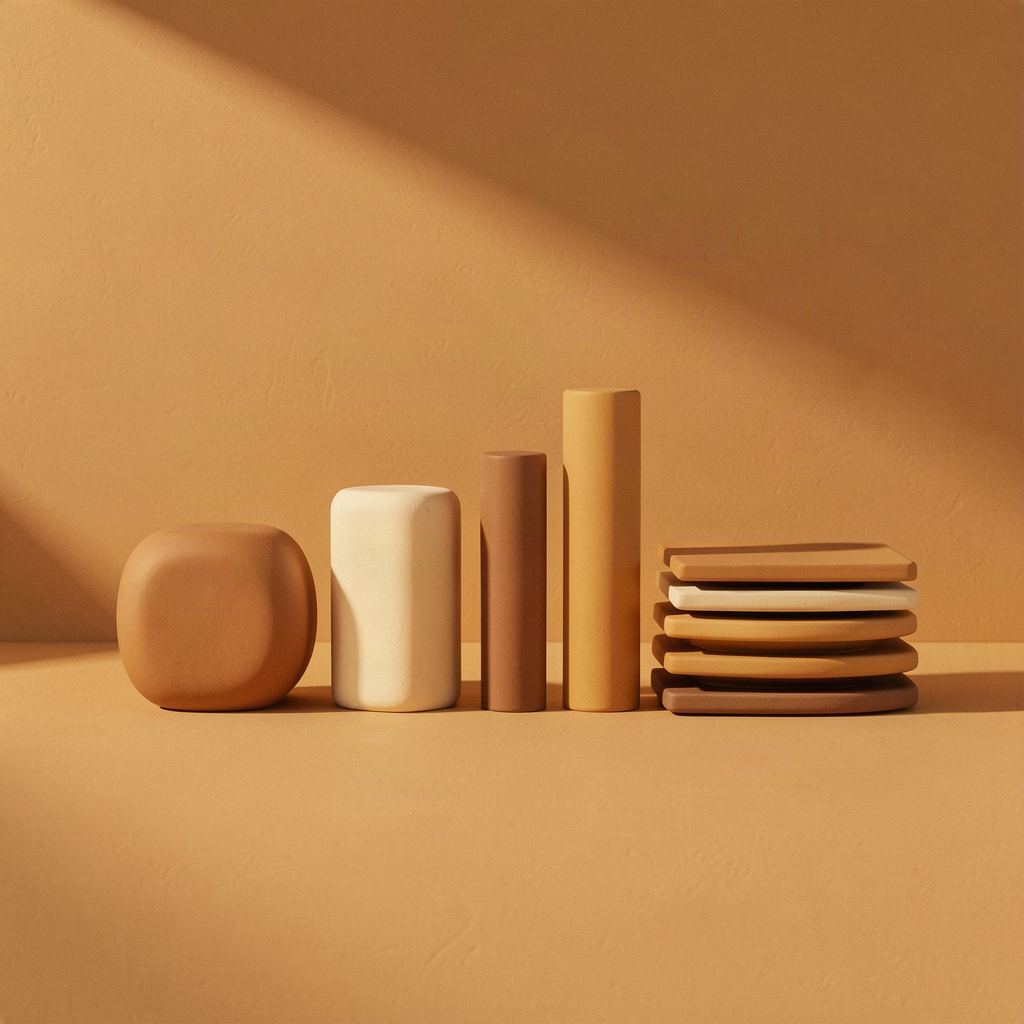
A curated display of everyday carries — collections grow one well-chosen knife at a time.
Start with a Budget, Not a Wish List
The fastest way to ruin a new hobby is financing it with impulse buys. Decide what you can spend per knife and stick to it:
- Under $60: excellent entry point — proven budget steels and reliable locking folders.
- $60 to $150: the sweet spot for a first 'real' collection — better steels, better actions.
- $150 to $300: premium territory — titanium handles, super steels, designer collaborations.
- $300+: collector grade — limited editions, exotic materials, signed designs.
New collectors almost always over-buy in the first month. One knife at a time, carried and used, teaches more than a drawer full of safe queens.
Build Your First Three Knives
A balanced starter collection covers three roles:
- The beater: a tough, affordable folder you are not afraid to scratch. Budget steel, G10 or Micarta handle, rock-solid lock.
- The daily premium: your go-to carry — a step up in steel and action that still disappears in the pocket.
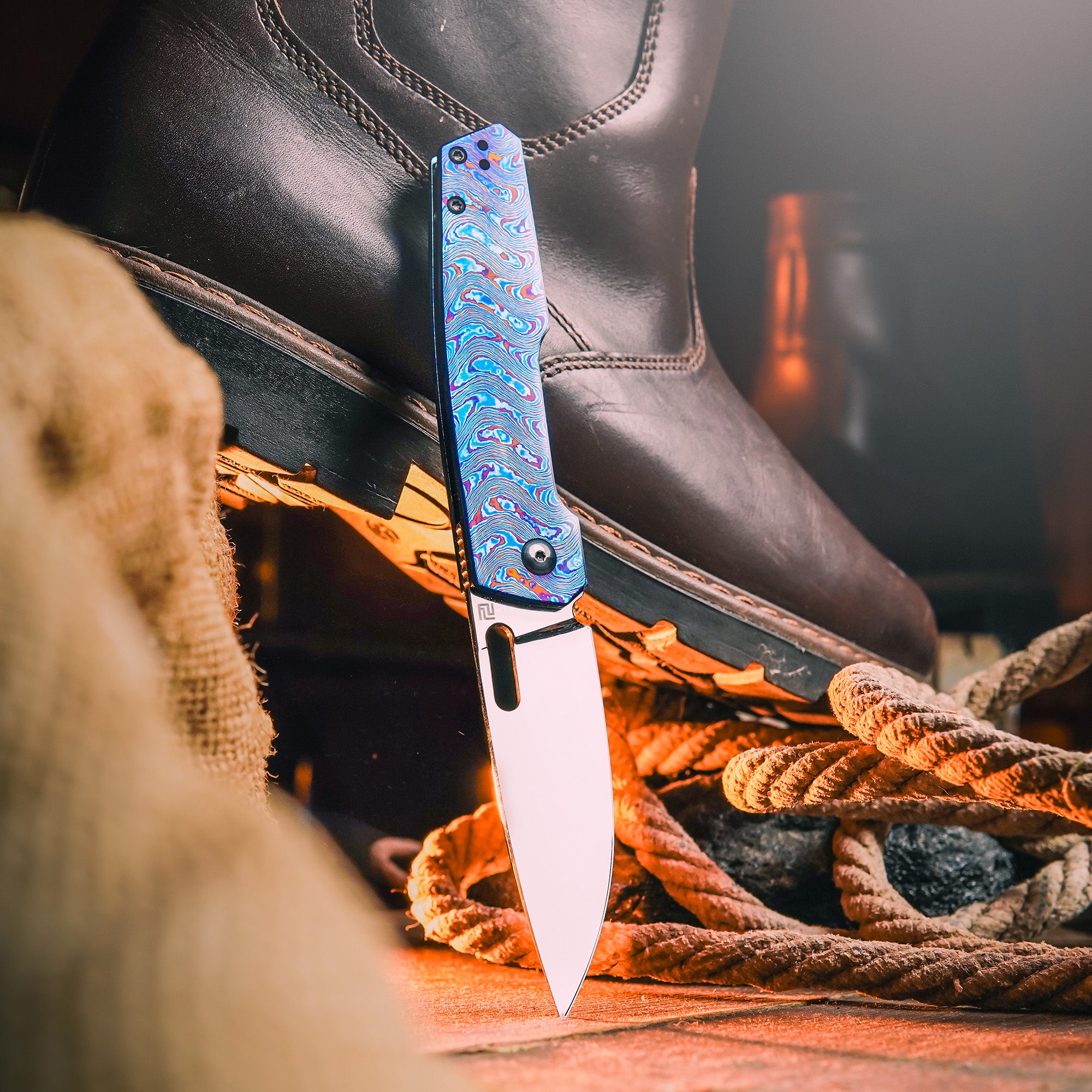
- The special piece: the knife you bought because it moved you — a designer collab, a damascus blade, or a limited run.
Learn the Steel Basics
Blade steel is the single most discussed topic in knife collecting, and you do not need a metallurgy degree to navigate it:
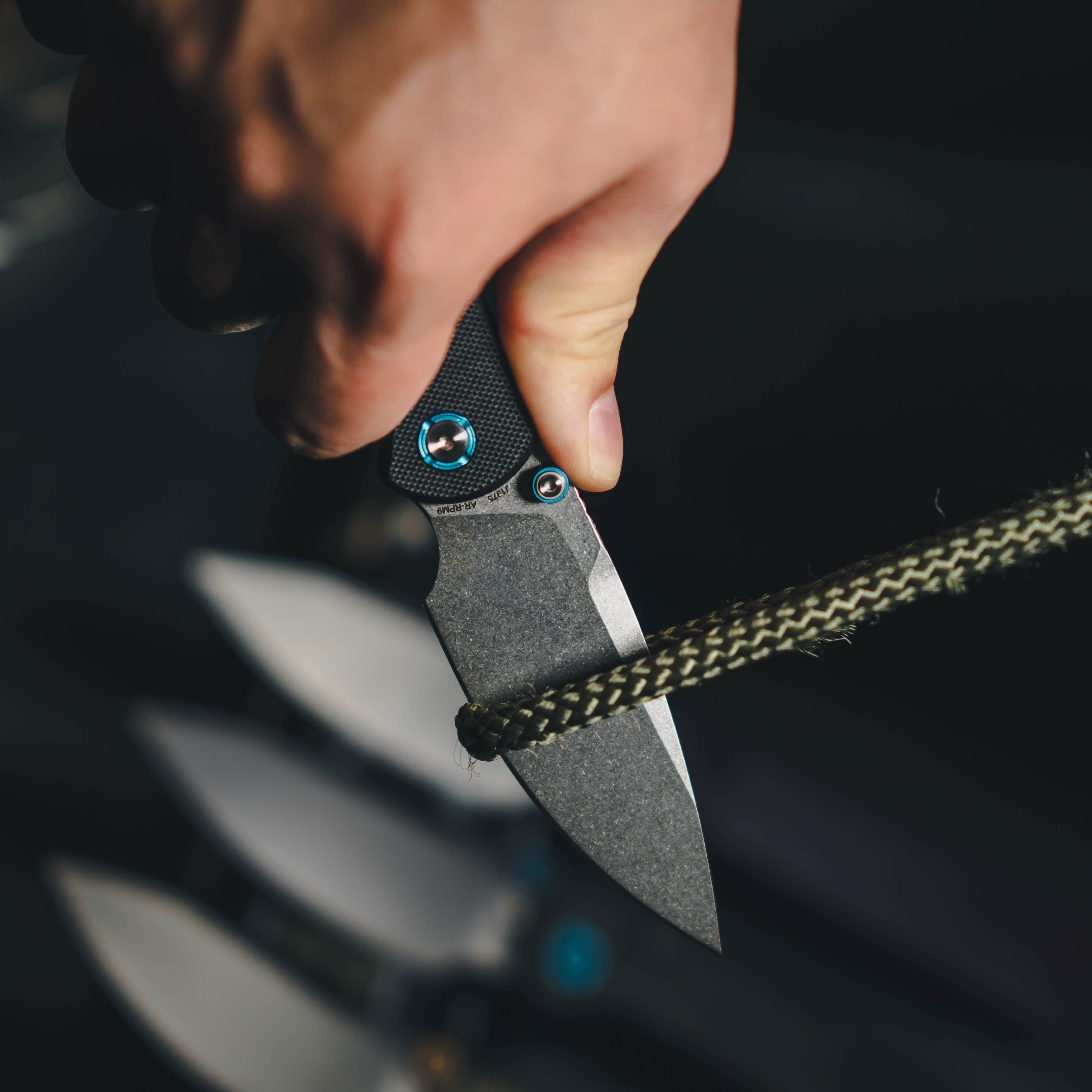
- Entry: D2, AR-RPM9, 14C28N — capable, affordable, easy to sharpen.
- Mid: S35VN, S30V — the classic premium all-rounders used across the industry.
- High: M390, Elmax, S90V — powder metallurgy super steels with elite edge retention.
- Specialty: Damascus — patterned steel prized for appearance and heritage more than peak performance.
Handle Materials at a Glance
| Material | Feel | Best for |
|---|---|---|
| G10 | Firm, grippy | Hard-use workhorse knives |
| Micarta | Warm, textured | Classic, comfortable everyday carry |
| Titanium | Light, premium | High-end and lightweight builds |
| Carbon fiber | Ultra-light, stiff | Weight-conscious premium knives |
Care for What You Own
A collection stays a collection only if the knives stay functional. Learn the basics early: keep pivots clean and lightly oiled, wipe blades after use, and sharpen on a regular schedule. Consistent maintenance matters more than expensive equipment — a $40 knife maintained weekly outperforms a $400 knife ignored for a year.
Collect With a Theme
Collectors who stick with the hobby almost always develop a focus. Popular directions include:
- By designer: follow one maker's collaborations across brands.
- By material: a titanium collection, a damascus collection, a micarta collection.
- By brand family: work through a manufacturer's lineup from budget to flagship.
- By role: one great knife per category — folder, fixed blade, multi-tool, slip joint.
A theme gives every purchase a reason and keeps the collection coherent instead of random.
Ready to buy your first — or your fifteenth — folder? Start your EDC knife collection with the Artisan Cutlery folding knife collection, where every model is built for reliable everyday carry.


Leave a comment
This site is protected by hCaptcha and the hCaptcha Privacy Policy and Terms of Service apply.