
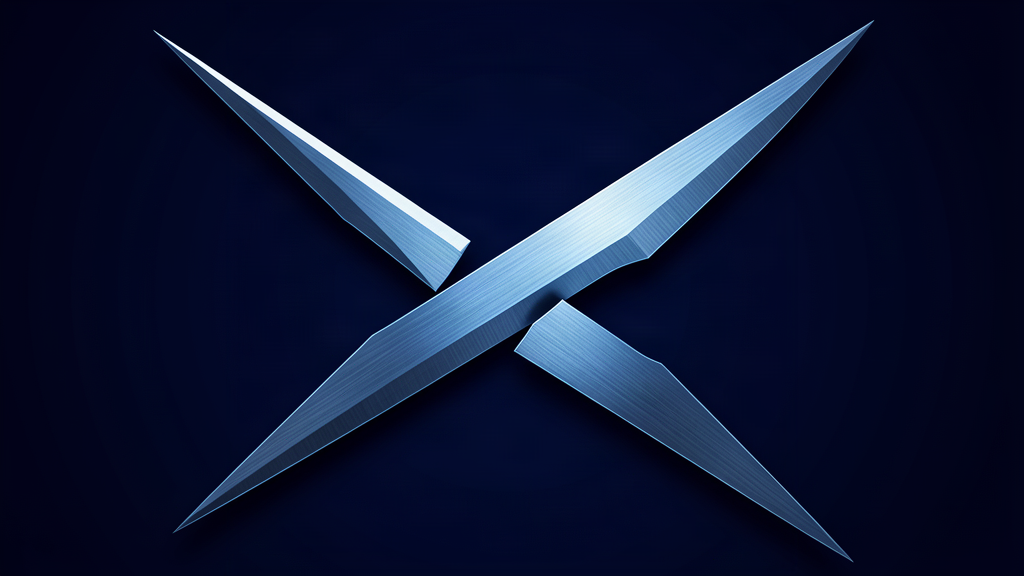
Ask a knife enthusiast to name a double-edged blade and most will answer 'dagger.' Ask them to picture the slim, needle-like stiletto and you will get a very different image — even though both belong to the same double-edged family. The two designs share a symmetrical grind, yet they were built for completely different purposes. Understanding the difference between a stiletto and a dagger is one of the fastest ways to sharpen your eye for blade design, whether you are shopping for a first folder or adding to an established collection.
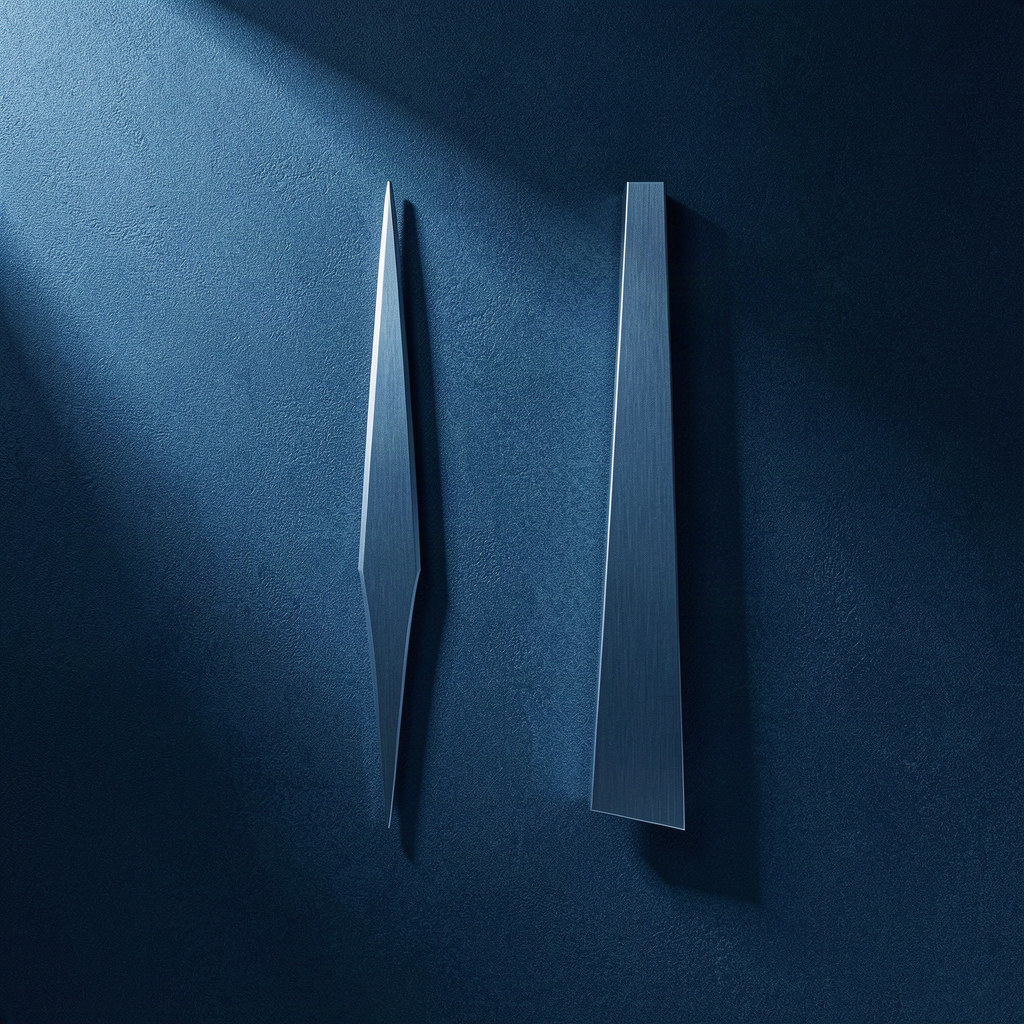
Needle-point stiletto versus the broader dagger profile — two very different double-edged designs.
What Is a Stiletto?
The stiletto is a long, slender blade designed primarily for thrusting. Its defining feature is a narrow, sharply tapered needle point that concentrates all of its force into a tiny surface area. The name comes from the Italian word for a small dagger, and the profile has deep historical roots as a civilian self-defense design.
In the modern era, the stiletto silhouette is most famous through the classic Italian switchblade — a slim, fast-opening folder whose entire design philosophy is reach and penetration rather than cutting. A true stiletto typically has little or no functional cutting edge; the blade is essentially a very sharp spike.
What Is a Dagger?
A dagger is a fighting knife with a very sharp point and usually two sharp edges, designed for both thrusting and cutting. Where the stiletto trades everything for penetration, the dagger keeps both capabilities: the symmetrical double edge cuts on the draw as well as the push, which is why daggers served as military sidearms for centuries.
Dagger blades are generally broader and stiffer than stilettos, with more edge geometry per inch of blade. That makes them more versatile tools and more substantial carriers — but it also makes them heavier and more visible in a pocket.
Key Differences at a Glance
| Feature | Stiletto | Dagger |
|---|---|---|
| Blade profile | Long, ultra-slim, needle-point | Broader, symmetrical, sharp point |
| Primary role | Thrusting / penetration | Thrusting plus cutting |
| Cutting edge | Minimal or absent | Two full cutting edges |
| Blade stiffness | Flexible and narrow | Stiffer and stronger |
| Everyday utility | Low — specialized profile | Moderate — cuts and pierces |
| Pocket presence | Slim, disappears in the pocket | More noticeable |
Which Design Suits Your Carry?
For genuine everyday carry, the honest answer is usually neither — a single-edged folder with a utilitarian blade shape handles packages, rope, and food far better. But as a collector's piece or a specialist tool, the two designs appeal to different instincts:
- Choose the stiletto if you value sleek lines, low pocket profile, and a design with pure historical character.
- Choose the dagger if you want a double-edged blade that can actually cut, with a more robust feel in hand.
- For an EDC-adjacent middle ground, look at modern tactical tantos and drop points — single-edged profiles that borrow the stiletto's slimness and the dagger's versatility.
A Note on Legality
Double-edged blades are restricted or prohibited in a number of jurisdictions, so check local rules before buying or carrying either design. The general landscape is covered in the Wikipedia article on knife legislation, but local laws change frequently — always verify against your own state, county, and city statutes.
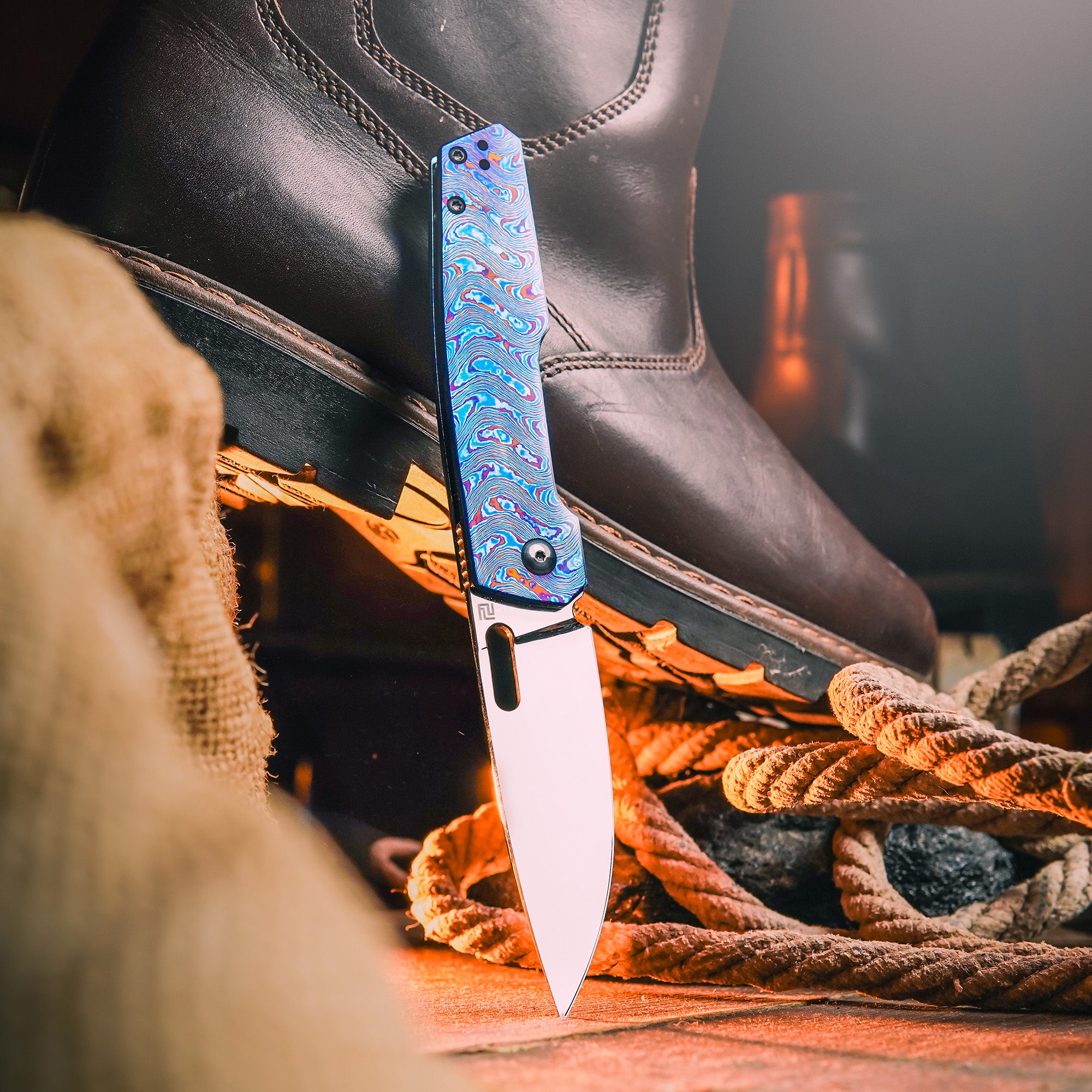
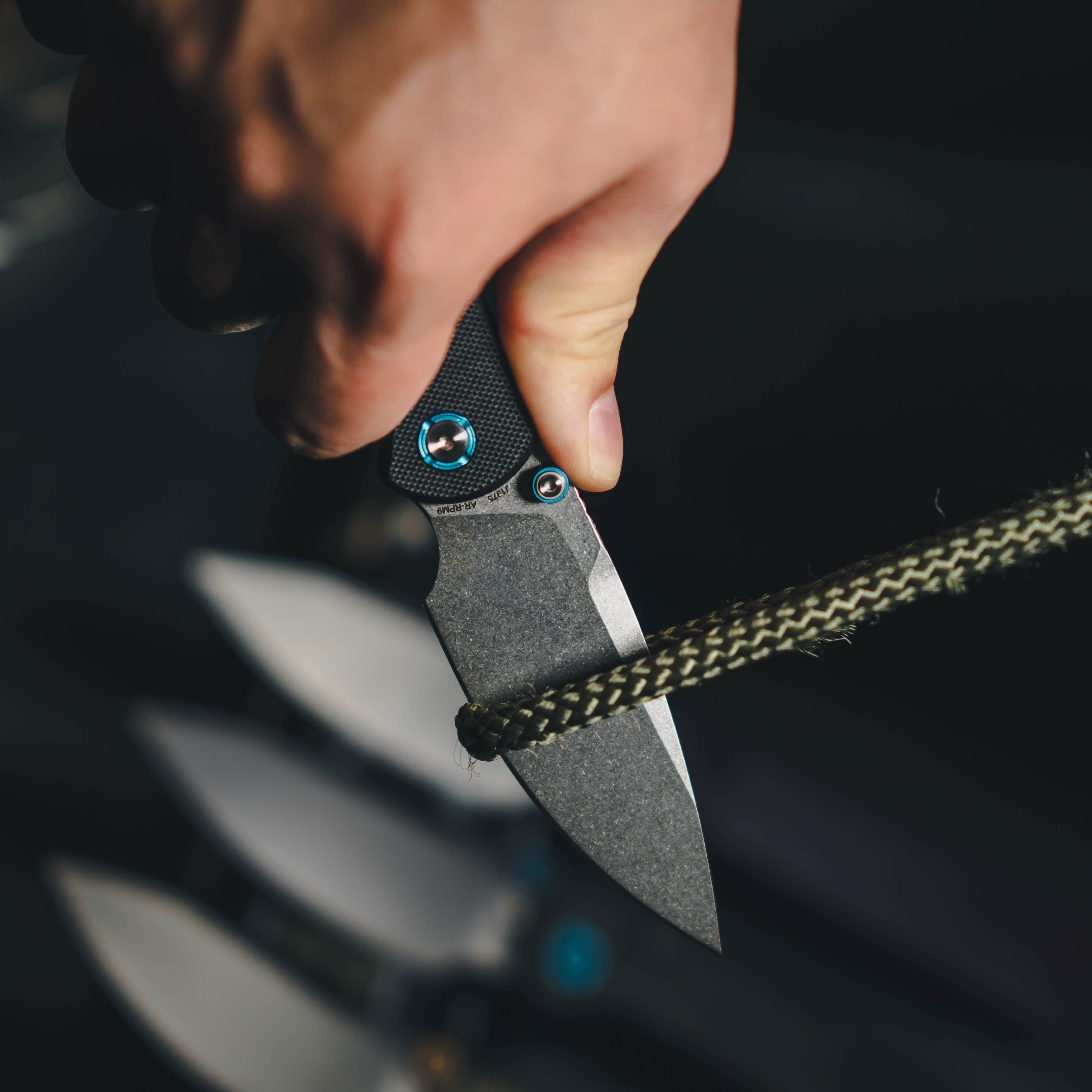
Looking for a double-edged design you can actually carry? Most everyday folders are single-edged for a reason — explore the Artisan Cutlery folding knife collection to see how modern EDC knives balance edge geometry, steel, and legal carry for reliable everyday carry.

Leave a comment
This site is protected by hCaptcha and the hCaptcha Privacy Policy and Terms of Service apply.