

Knife blade geometry is defined by more than just shape — the grind, or the cross-sectional profile of the blade, determines how a knife cuts, how durable the edge is, and how easily it can be sharpened. While blade shape (drop point, clip point, tanto) describes the outline of the knife, the grind describes the beveled surface that forms the cutting edge. Understanding blade grind types is essential for choosing a knife that matches your cutting needs and for maintaining it properly.
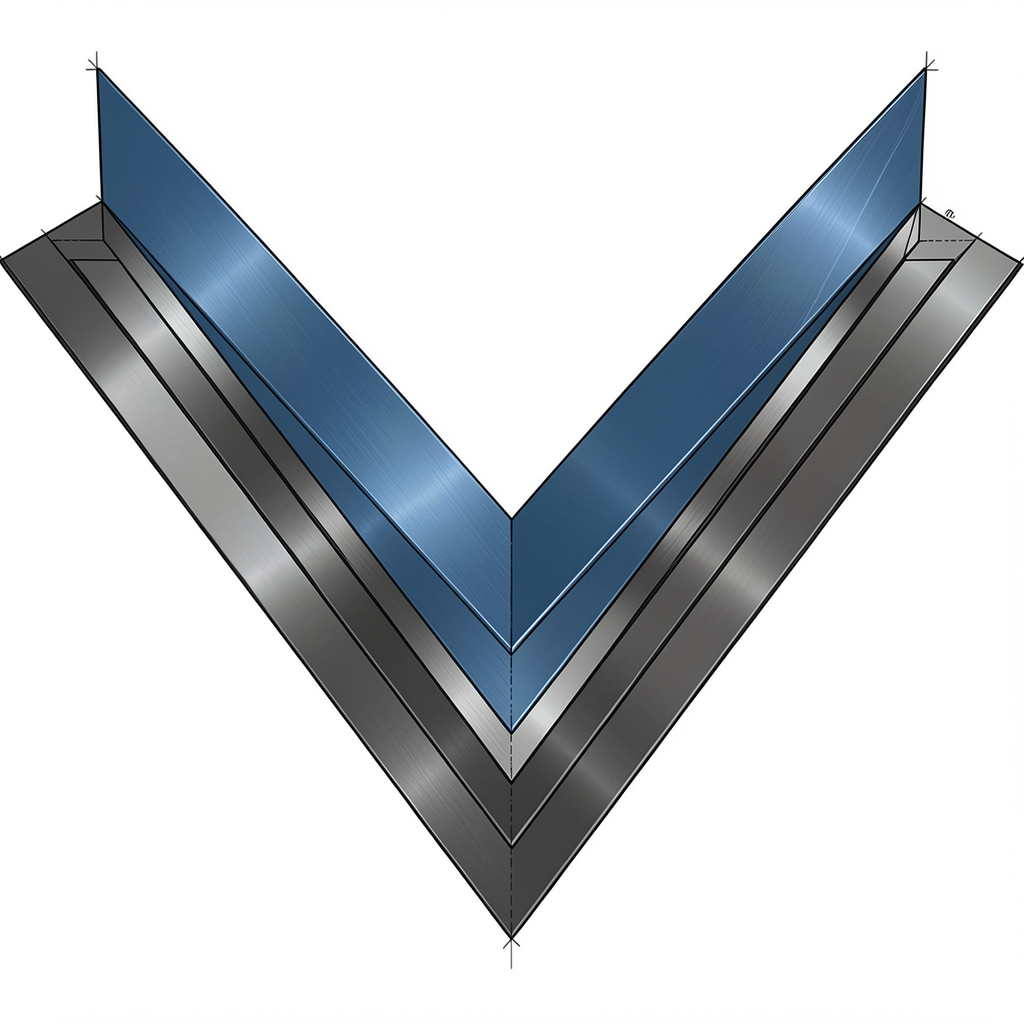
Comparison of knife blade grind cross-sections for different EDC applications
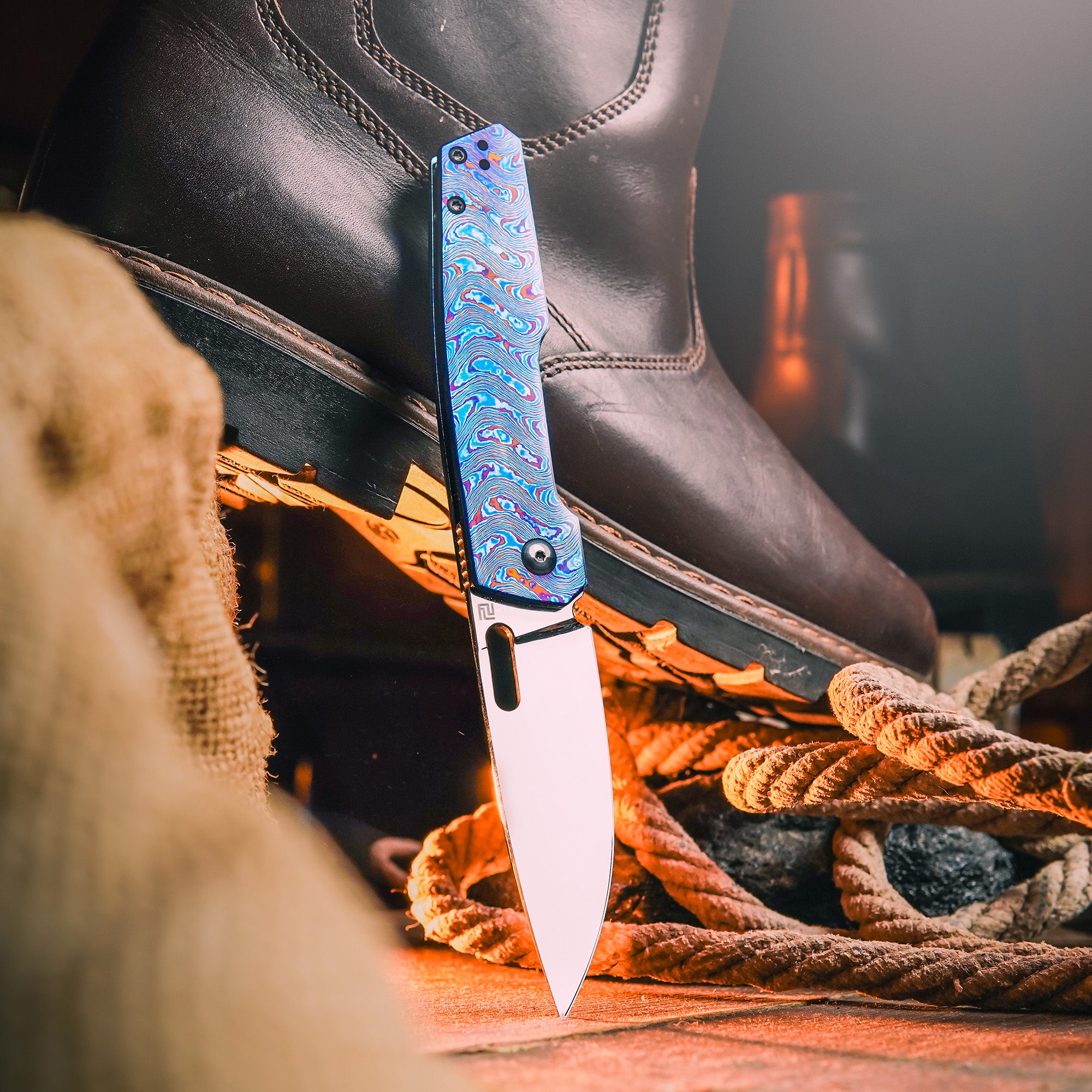
This guide covers the most common blade grind types found on modern EDC folding knives, including those used on Artisan Cutlery models, and explains the practical differences between them.
What Is a Blade Grind?
A blade grind is the shape of the blade's cross-section from the spine to the edge. The grind determines how the blade interacts with the material being cut, how much material is behind the edge, and how the blade performs different cutting tasks. Three key factors define a grind:
- Edge angle: The angle of the cutting bevel, which affects sharpness and edge durability.
- Blade stock thickness: The thickness of the steel at the spine, which affects overall strength.
- Grind height: How far up the blade the bevel extends, which determines how thin the blade is behind the edge.
Flat Grind
The flat grind is the most common grind on modern EDC folding knives. The blade tapers in a straight line from the spine to the edge, creating a flat, wedge-shaped cross-section. A full flat grind extends from the spine all the way to the edge, while a partial flat grind leaves some flat surface at the spine before the bevel begins.
- Cutting performance: Excellent. The thin geometry behind the edge allows the blade to slice through materials with minimal resistance.
- Edge strength: Moderate. The thin edge geometry is more prone to chipping under heavy lateral stress compared to stronger grinds.
- Sharpening: Straightforward. The flat bevel surface is easy to maintain on stones or guided systems.
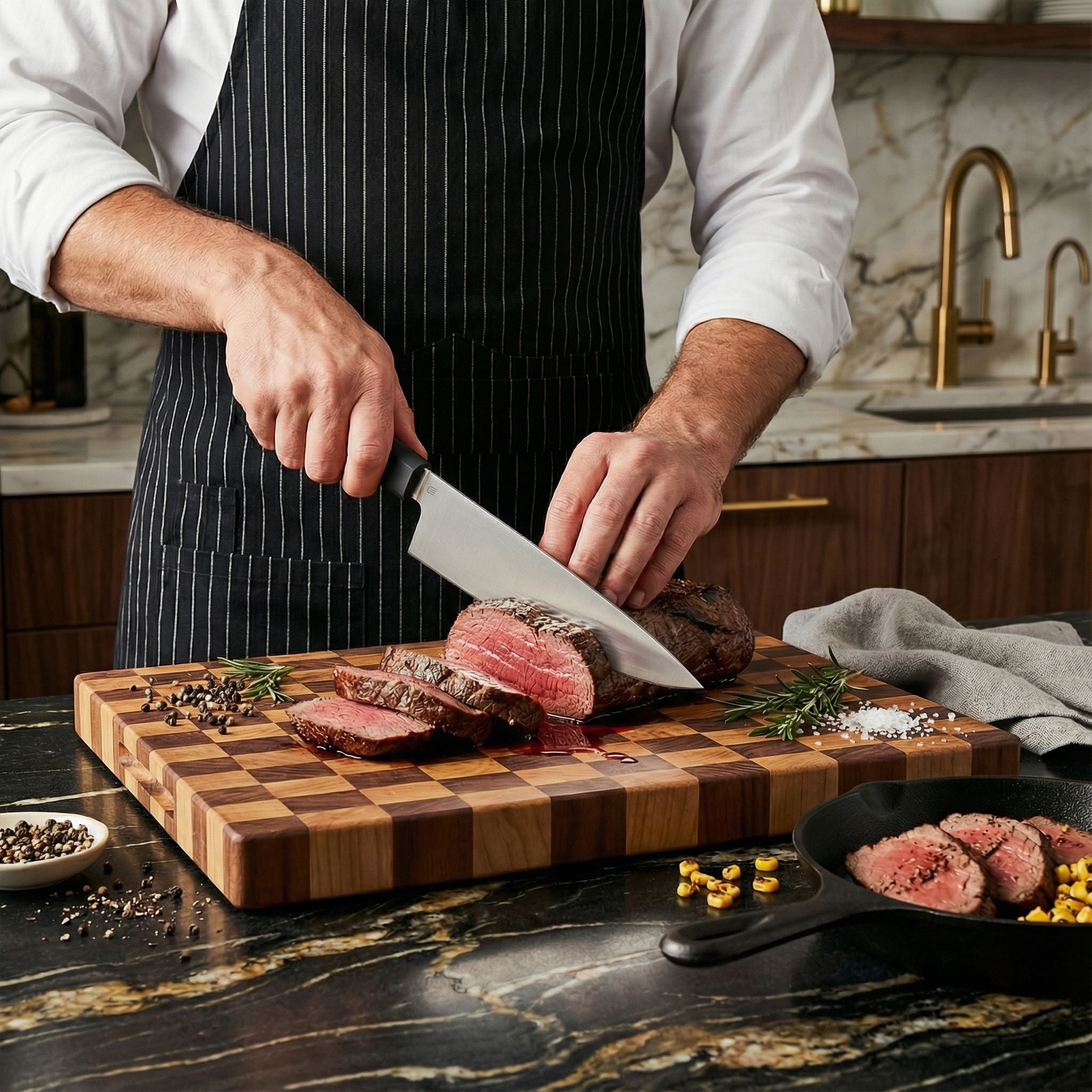
- Best for: General EDC cutting, slicing, food preparation, and light to medium utility work.
Hollow Grind
A hollow grind uses a concave wheel to remove steel from the blade, creating a curved, dished bevel surface. Historically associated with straight razors, the hollow grind produces an extremely thin edge geometry that can achieve exceptional sharpness.
- Cutting performance: Excellent for push cuts and slicing thin materials. The thin edge enters material with minimal resistance.
- Edge strength: Lower than flat grinds. The thin cross-section makes hollow-ground edges more susceptible to chipping and rolling under hard use.
- Sharpening: More difficult than flat grinds. Maintaining the concave bevel surface requires precise angle control and appropriate abrasive shapes.
- Best for: Light-duty slicing, skinning, and tasks where extreme sharpness is prioritized over edge durability.
Chisel Grind
A chisel grind is asymmetrical — only one side of the blade is beveled, while the other side remains flat. This creates a single cutting bevel that meets the flat side at the apex. Chisel grinds are common on Japanese woodworking tools and some tactical folding knives.
- Cutting performance: The single-bevel geometry creates a very acute edge angle on the beveled side, enabling aggressive cuts. However, the knife tends to pull toward the flat side during cutting.
- Edge strength: Varies by angle. A chisel grind with a steep bevel angle can be quite durable, while a shallow angle creates a fragile edge.
- Sharpening: Simple in theory — only one bevel to maintain. In practice, the flat side must be deburred carefully, and maintaining the correct asymmetrical geometry takes practice.
- Best for: Tactical applications, hard-use cutting where edge geometry favors the beveled side, and specialized woodworking tasks.
Scandi Grind
The Scandi grind (also called Scandinavian or V-grind) features a single, wide bevel that extends from the edge almost to the spine, with no secondary bevel. The entire bevel surface is the cutting edge. This grind is traditional on Scandinavian bushcraft knives.
- Cutting performance: Strong and versatile for wood carving and bushcraft tasks. The thick geometry behind the edge provides excellent edge stability.
- Edge strength: Very high. The thick blade cross-section behind the edge makes Scandi grinds resistant to chipping and rolling.
- Sharpening: Simple — lay the entire bevel flat on a stone and sharpen. No angle-guessing required. However, reprofiling a damaged Scandi edge removes more steel than other grinds.
- Best for: Bushcraft, wood carving, camping, and tasks requiring a robust edge for hard use.
Comparison Table
| Grind Type | Cutting Performance | Edge Strength | Ease of Sharpening | Best Use |
|---|---|---|---|---|
| Full Flat | Excellent | Moderate | Easy | General EDC, slicing |
| Hollow | Excellent (thin) | Low | Moderate | Light slicing, razors |
| Chisel | Good (directional) | Varies | Moderate | Tactical, specialized |
| Scandi | Good (robust) | High | Easy | Bushcraft, hard use |
Choosing the Right Grind for Your EDC Needs
For most everyday carry scenarios, a full flat grind offers the best combination of cutting performance, edge durability, and ease of maintenance. Artisan Cutlery uses flat grinds on the majority of its folding knife models, including the Tomahawk, Osprey, and Revel series, because this grind geometry delivers consistent, predictable cutting performance across a wide range of tasks.
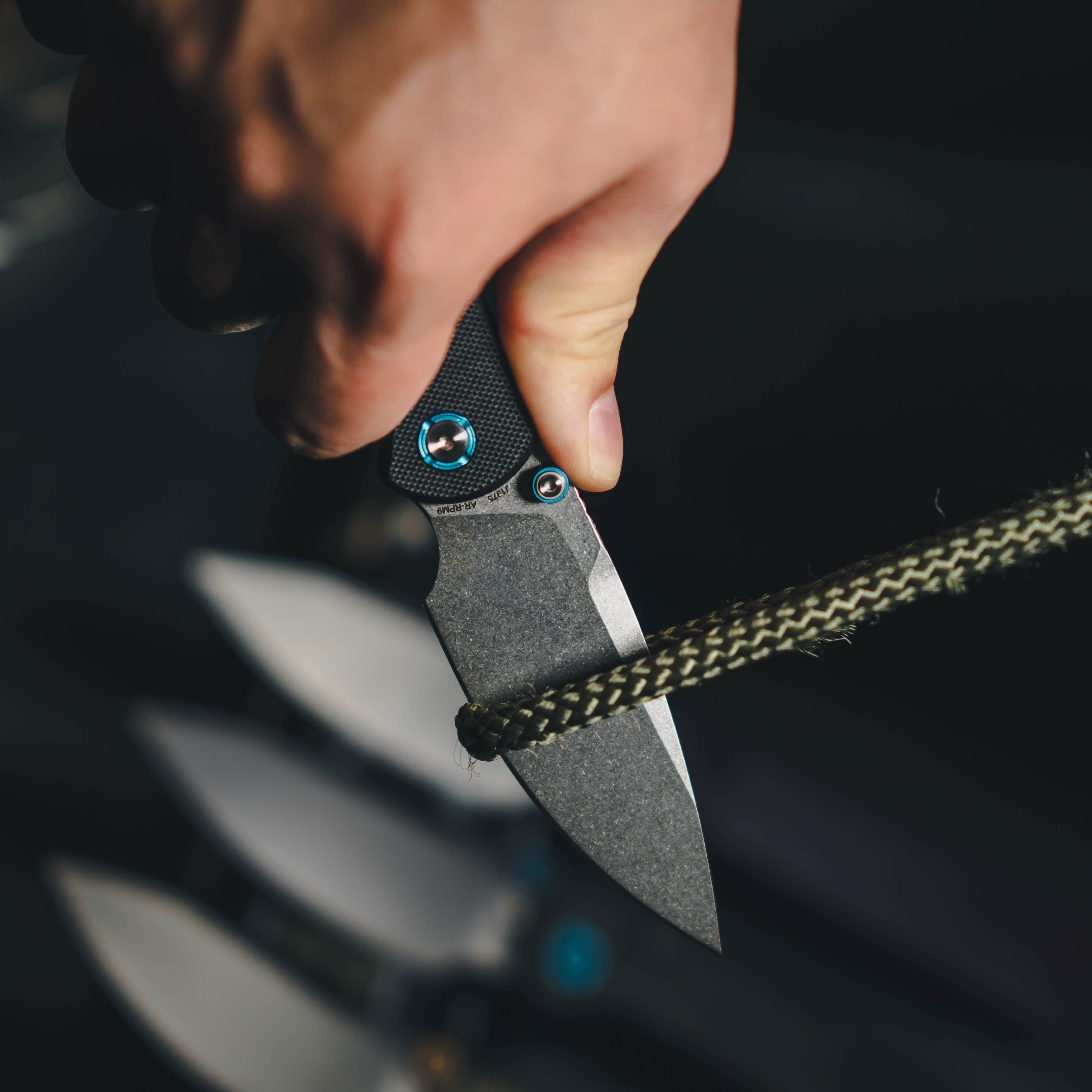
If you primarily use your knife for light slicing — opening packages, cutting cord, food prep — a flat grind with a thinner edge geometry will serve you well. If your carry needs involve harder use, such as prying, scraping, or cutting through tough materials, consider a thicker grind with a more robust edge profile.
Understanding blade grinds helps you evaluate knives beyond surface specifications. Two knives with identical blade shapes and steel can perform very differently depending on their grind geometry. Pay attention to the grind when selecting your next EDC knife — it directly determines how the knife will cut and how it will need to be maintained.
Find your ideal everyday carry configuration — explore the Artisan Cutlery folding knife collection for premium EDC folders built for reliable everyday carry.

Leave a comment
This site is protected by hCaptcha and the hCaptcha Privacy Policy and Terms of Service apply.