

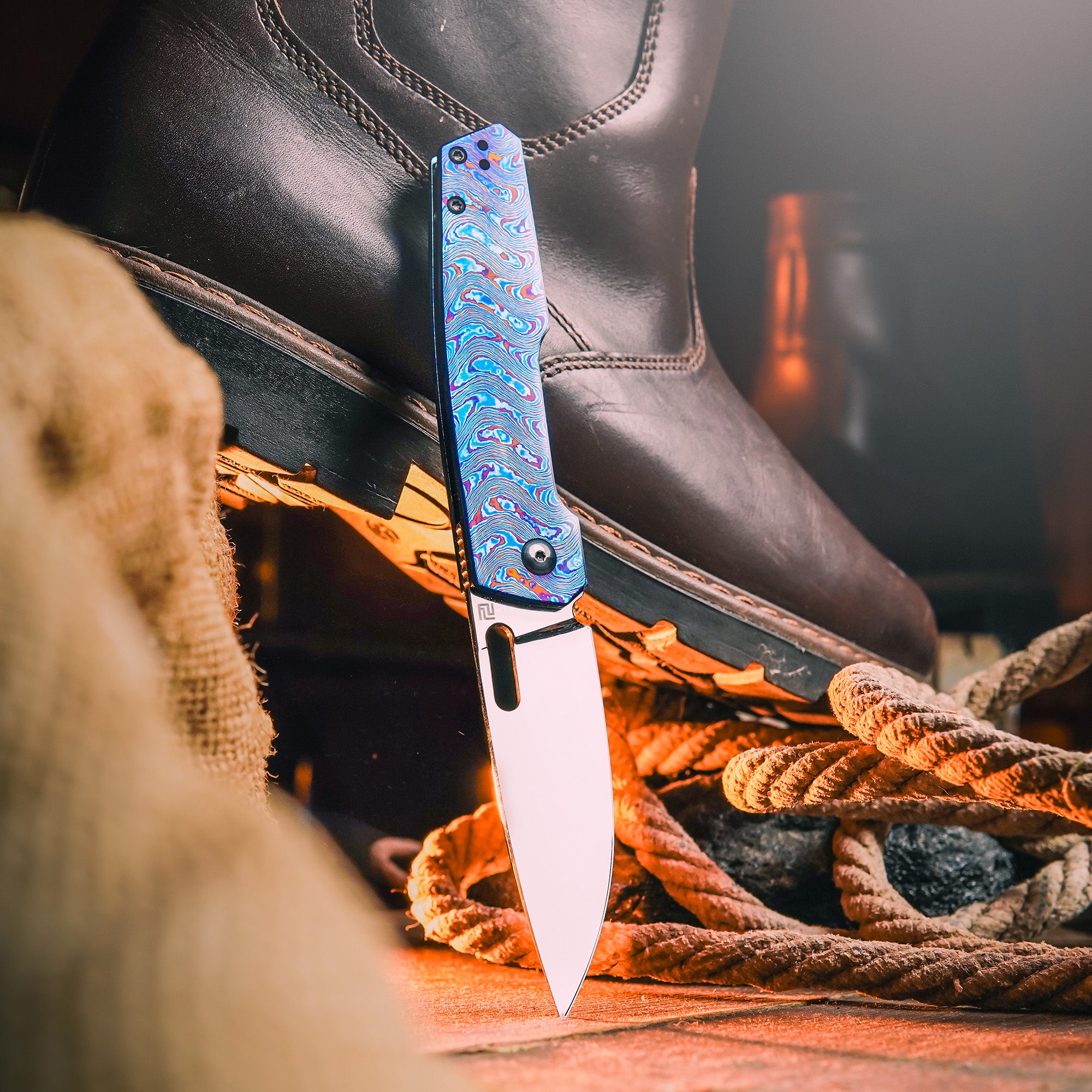
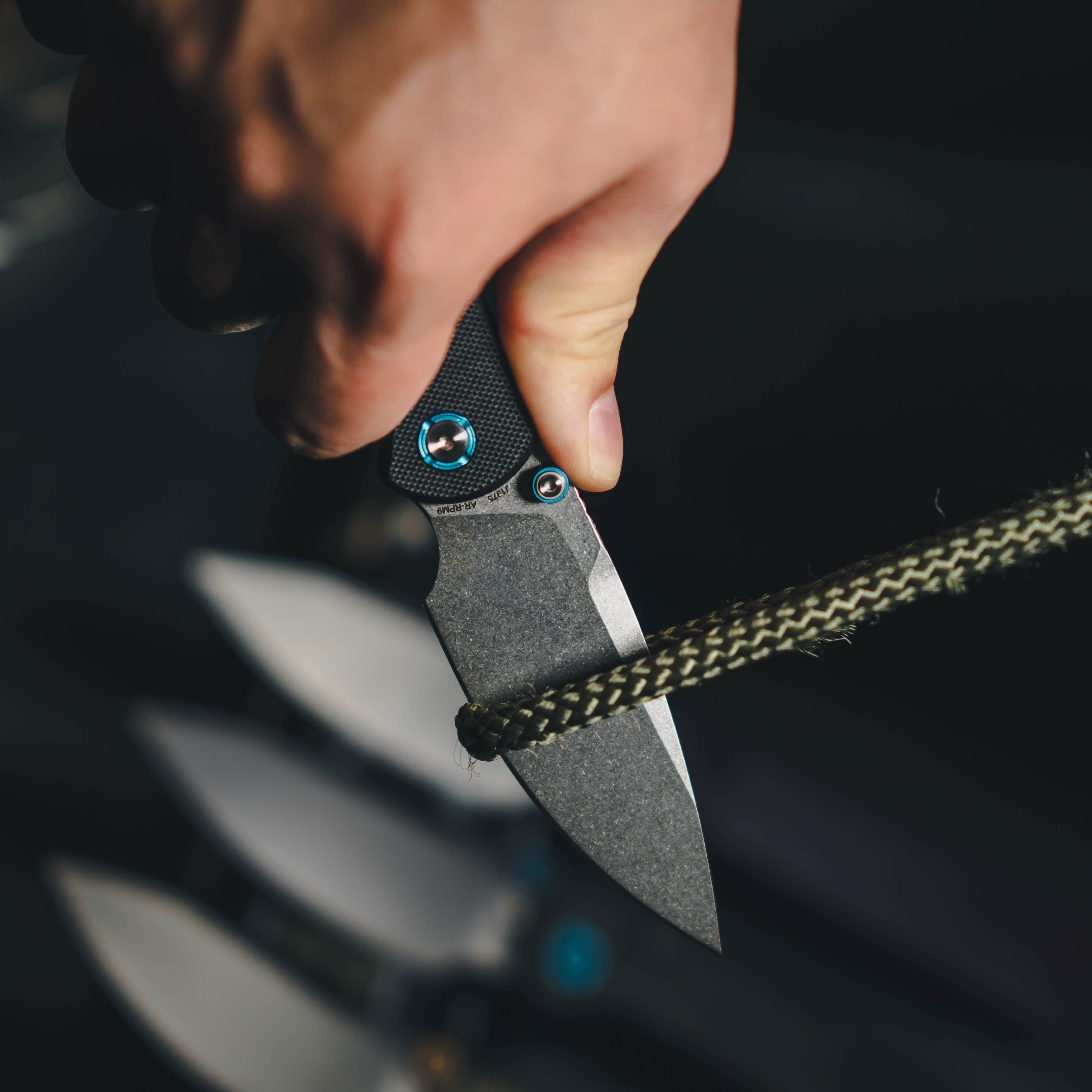



A butterfly knife — also known as a balisong — is a folding pocket knife with two rotating handles that pivot around the tang to conceal the blade when closed. Unlike a standard folding knife with a single handle and pivot, a balisong uses a split-handle design where both halves open and close simultaneously. When deployed, the blade locks between the two handles; when closed, the blade nests safely inside the handle channel.

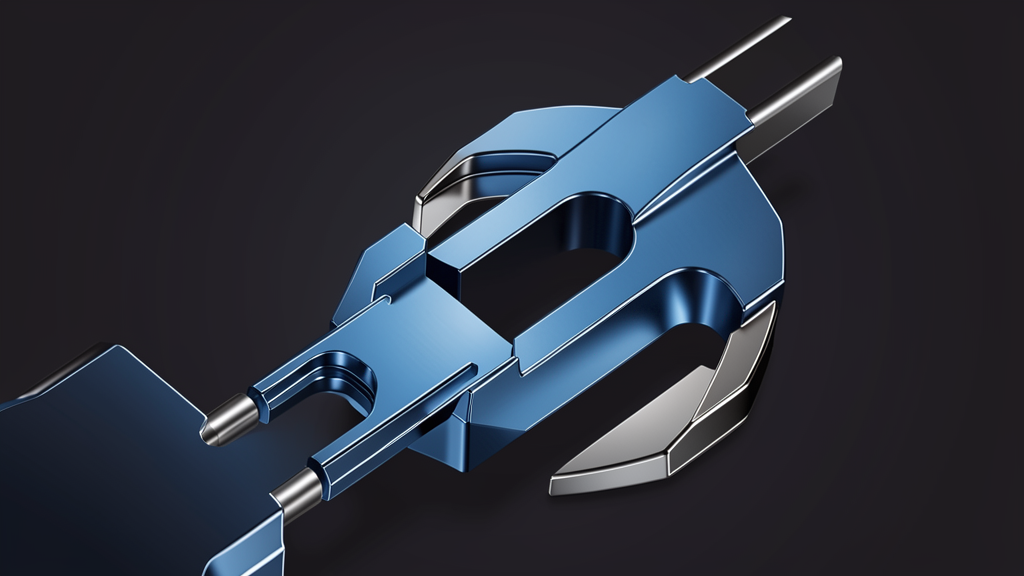
Balisong mechanism diagram showing the two-handle pivot system
Butterfly knives have a distinctive appearance and operation that sets them apart from every other folding knife mechanism. The handles pivot on two separate pins — one near the base of the blade and one near the tang — creating a synchronized opening and closing action that requires both hands to operate safely in most situations. Understanding the balisong's anatomy, legal status, and practical considerations is essential before adding one to your everyday carry rotation.
Anatomy of a Butterfly Knife
Every balisong consists of several key components that work together to create its unique action:
- Blade: The cutting edge, which typically nests completely inside the handle channels when closed. Butterfly knife blades range from 3 to 5 inches, with 4 inches being the most common EDC length.
- Tang pins: Small cylindrical pegs at the base of the blade that stop handle rotation and lock the knife in both open and closed positions.
- Safe handle: The handle that closes over the sharp edge of the blade. In standard orientation, this handle rests against the cutting edge when open.
- Bite handle: The handle that closes over the spine (unsharpened back) of the blade. This is the handle you grip when using the knife.
- Pivots: Screw assemblies at each end of the handles that allow rotation. Quality balisongs use adjustable pivot systems for tuning handle tension.
- Latch: A locking mechanism at the rear of the handles that keeps the knife closed during carry. Common latch types include spring latches, channel latches, and paracord latches.
How a Balisong Mechanism Works
The balisong mechanism is elegantly simple. Two handles are connected to a single blade tang via two separate pivot points. When closed, the handles sit parallel, sandwiching the blade between them. As you rotate the handles apart, the blade swings free and rotates into the open position. When fully deployed, the tang pins stop the handles at the correct angle, locking the blade in place.
Unlike a liner lock or frame lock, a butterfly knife does not rely on a separate locking mechanism — the geometry of the handles and tang pins creates the lockup. This means fewer moving parts and less that can break, but it also means the lockup depends entirely on precision machining. Well-made balisongs from brands like Artisan Cutlery use tight tolerances and hardened steel tang pins for reliable lockup.
Butterfly Knife vs Standard Folding Knife: Key Differences
Understanding how a balisong differs from a conventional folding knife helps clarify whether it is right for your carry style.
| Feature | Balisong/Butterfly Knife | Standard Folding Knife |
|---|---|---|
| Locking mechanism | Tang pin geometry | Liner lock, frame lock, button lock, etc. |
| Deployment | Two-handed rotation (or flipping) | Thumb stud, flipper tab, or thumb hole |
| Handle count | Two rotating handles | Single handle + blade |
| One-hand opening | Requires practice (flipping) | Standard one-hand operation |
| Closed profile | Slim, blade fully enclosed | Varies by design |
| Parts complexity | Lower (fewer lock components) | Higher (springs, detents, lock bars) |
Legal Considerations for EDC Carry
Butterfly knife legality varies significantly by location. Some jurisdictions classify balisongs as restricted knives due to their perceived association with rapid deployment. In the United States, butterfly knife laws differ by state — some states have repealed restrictions in recent years, while others maintain specific prohibitions on blade length or mechanism type. Always check your local knife laws before carrying a balisong for everyday carry.
Choosing a Butterfly Knife for EDC
If you decide a butterfly knife suits your carry needs, consider these factors:
- Blade steel: Look for quality blade steels like D2, 14C28N, or S35VN that balance edge retention with corrosion resistance for daily use.
- Handle material: Titanium, G10, and stainless steel are common. Titanium offers the best strength-to-weight ratio for EDC carry.
- Blade length: Most EDC balisongs have 3.5 to 4.5 inch blades — check local legal limits.
- Pivot quality: Adjustable pivots with bearings or phosphor bronze washers enable smooth, tunable action.
- Latch type: Spring latches and paracord latches are quieter and less prone to failure than channel latches.
A butterfly knife offers a unique carry experience with a mechanism that is both simple and satisfying. For those willing to learn its operation and navigate local regulations, a quality balisong can be a reliable and distinctive addition to an EDC rotation.
Find your ideal everyday carry configuration — explore the Artisan Cutlery folding knife collection for premium EDC folders built for reliable everyday carry.


Leave a comment
This site is protected by hCaptcha and the hCaptcha Privacy Policy and Terms of Service apply.