

Choosing the right knife blade shape is one of the most important decisions when selecting a folding pocket knife. Each blade shape offers different strengths for different cutting tasks. This guide covers the most common blade shapes and helps you identify which style suits your everyday carry needs.
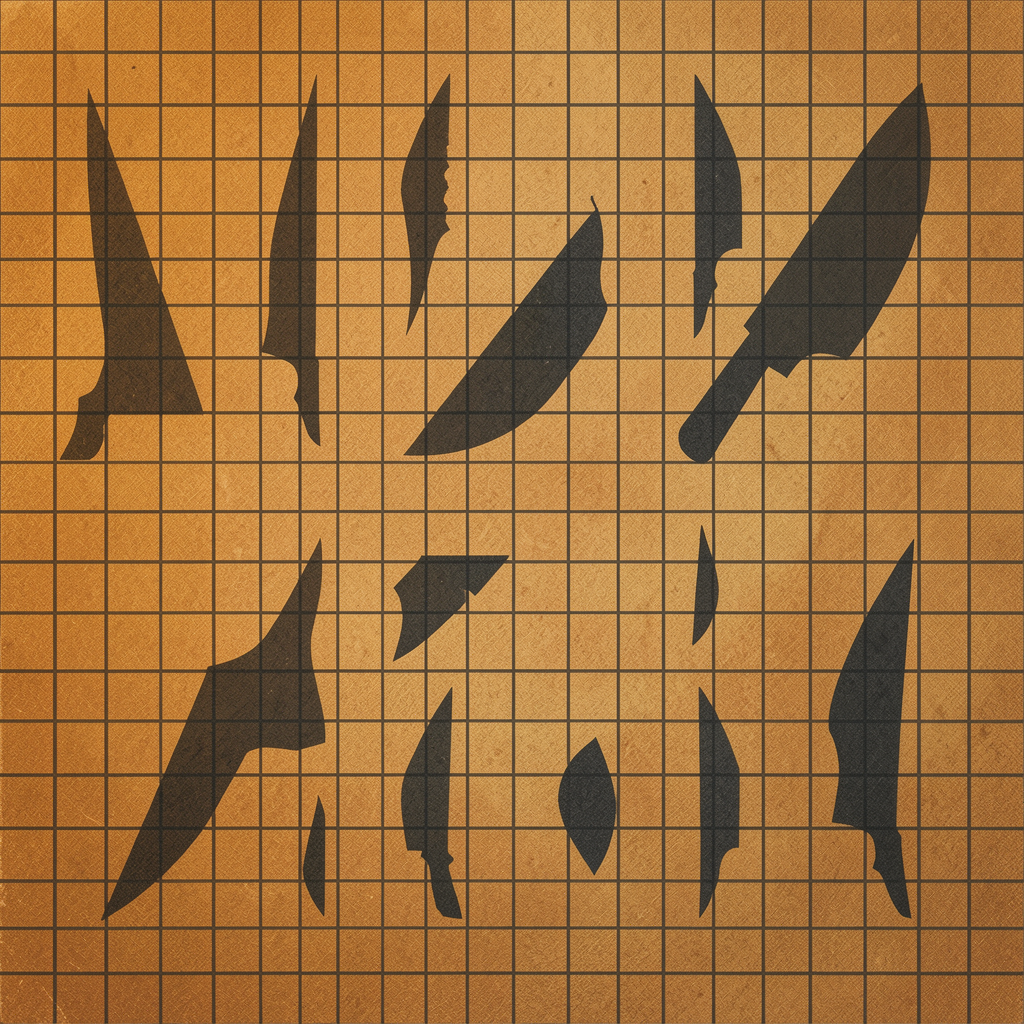
Understanding different blade shapes helps you choose the right knife for your everyday carry needs.
Common Knife Blade Shapes
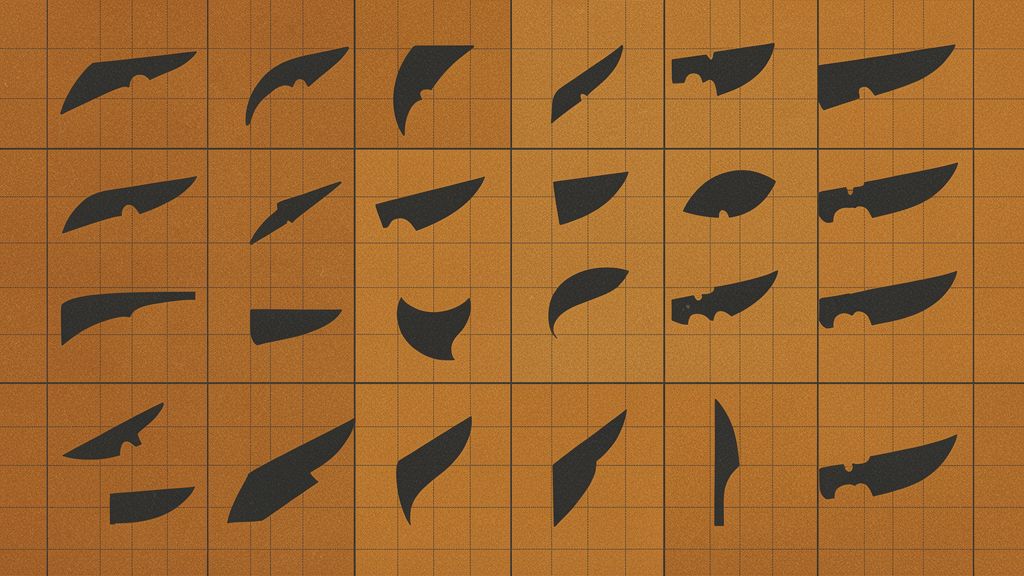
Here is an overview of the most popular blade shapes found on modern folding knives:
| Blade Shape | Key Characteristics | Best For |
|---|---|---|
| Drop Point | Curved spine that drops toward the tip; strong point | General EDC, slicing, outdoor tasks |
| Clip Point | Concave clip on spine; narrow, sharp tip | Detail work, piercing |
| Tanto | Angular point with a straight clip; reinforced tip | Heavy use, piercing hard materials |
| Wharncliffe | Straight spine, curved edge to point; excellent slicing | Utility cutting, box opening |
| Sheepsfoot | Straight edge, curved spine; safe tip design | Emergency, rescue, controlled cutting |
| Spear Point | Symmetrical point, centered on blade axis | General utility, piercing |
Drop Point: The EDC Favorite
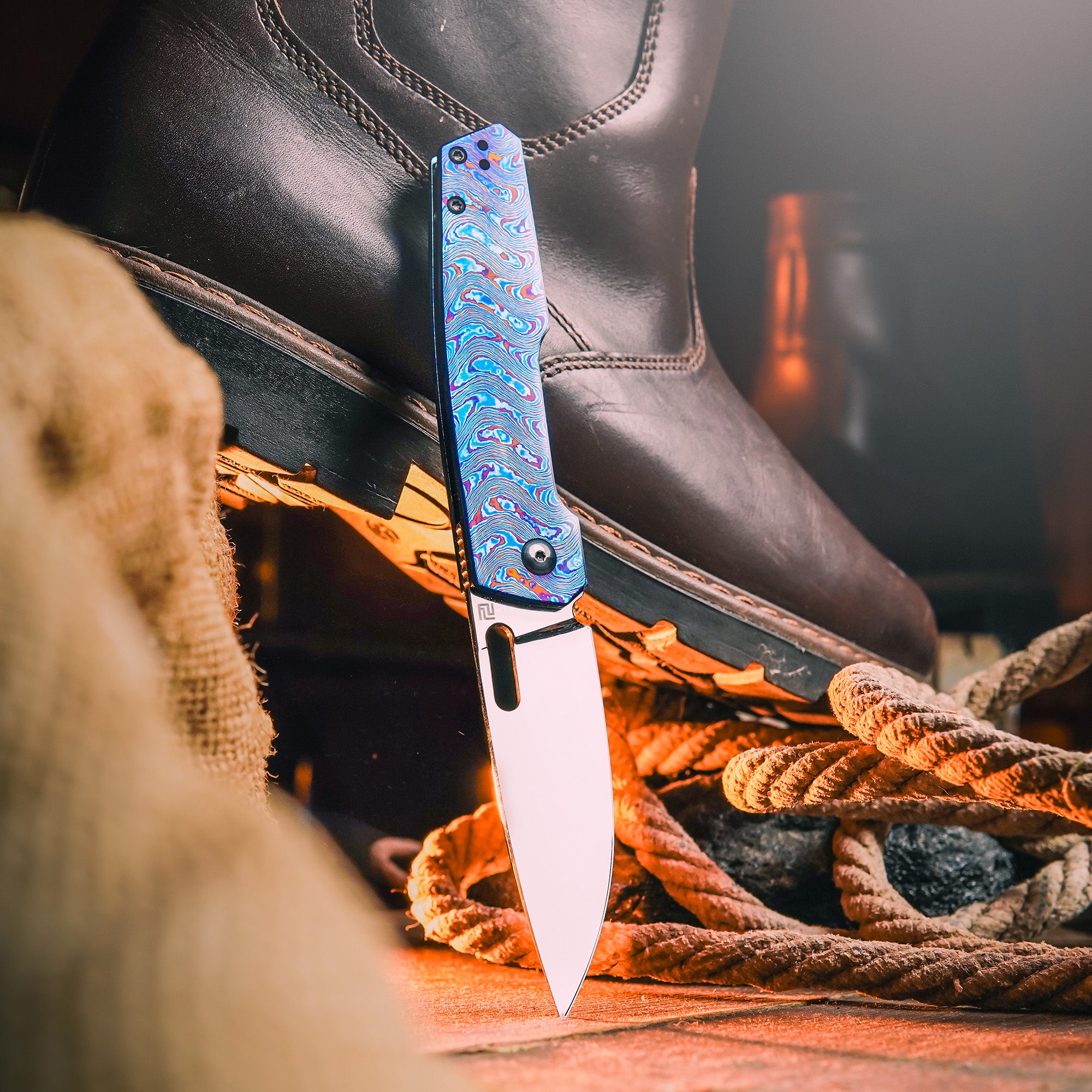
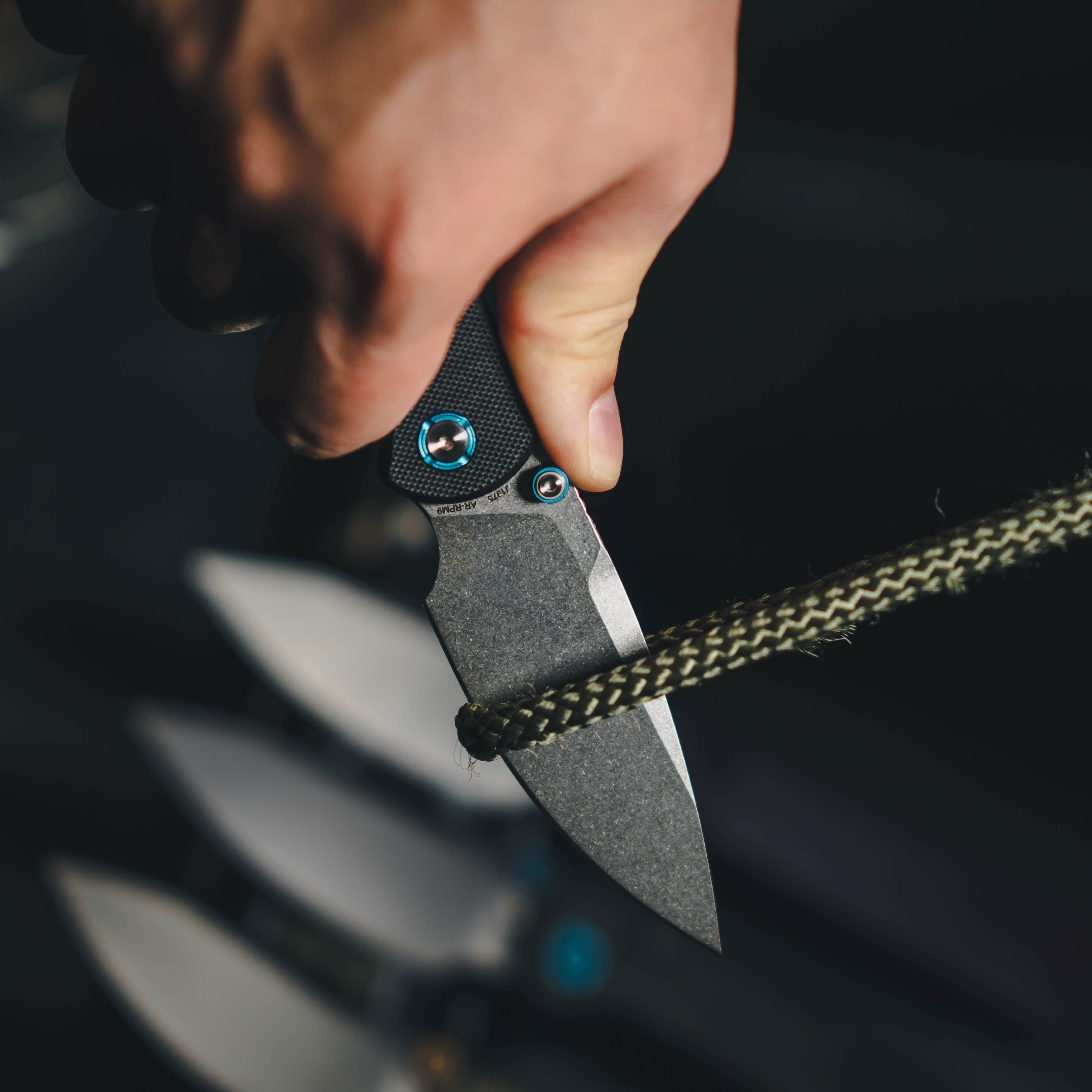
The drop point blade is the most popular shape for everyday carry knives. Its curved spine drops toward the tip, creating a strong point that resists breakage during heavy use. The belly of the blade provides excellent slicing capability, making it versatile for most cutting tasks. For a deeper look at blade terminology, the Wikipedia article on blades provides a comprehensive overview of blade geometry concepts.
Clip Point: Precision and Piercing
The clip point features a concave cutout on the spine near the tip, creating a narrow, sharp point ideal for piercing and detail work. This blade shape has a long history in knife design, appearing on iconic models like the Bowie knife. The trade-off is a slightly weaker tip compared to drop point designs.
Tanto: Strength for Hard Use
Inspired by traditional Japanese sword design, the tanto blade features a reinforced tip created by an angular transition in the blade edge. This shape excels at piercing hard materials without tip breakage. The straight section near the handle provides good slicing geometry for everyday tasks.
Wharncliffe and Sheepsfoot: Utility Specialists
Both Wharncliffe and sheepsfoot blades prioritize utility cutting over piercing. The Wharncliffe features a straight spine and curved cutting edge to a fine point, while the sheepsfoot has a straight cutting edge and curved spine with a more blunt tip. Both shapes excel at controlled cutting tasks like opening packages and cutting rope.
How to Choose Your Blade Shape
Consider the following questions when selecting a blade shape:
- What will you cut most often? — General slicing favors drop point or Wharncliffe shapes.
- Do you need to pierce materials? — Clip point or tanto tips work better for piercing.
- Is tip strength important? — Drop point and tanto offer the strongest tips.
- Do you need controlled cutting? — Sheepsfoot and Wharncliffe offer the most control.
- What is your carry environment? — Consider local laws regarding blade types and lengths.
Putting It All Together
The best blade shape for you depends on your specific needs. For most everyday carry users, a drop point blade in a quality folding knife offers the best all-around performance. However, specialists may prefer clip points for detailed work or tanto blades for heavy use. For examples of different blade shapes in production, explore the range of folding pocket knives at Artisan Cutlery.


Leave a comment
This site is protected by hCaptcha and the hCaptcha Privacy Policy and Terms of Service apply.