

Dagger knives are among the most recognizable blade types in history. With their distinctive double-edged design and symmetrical profile, daggers have served as weapons, tools, and ceremonial objects across civilizations. This guide explores the key features, historical significance, and modern relevance of dagger knives.
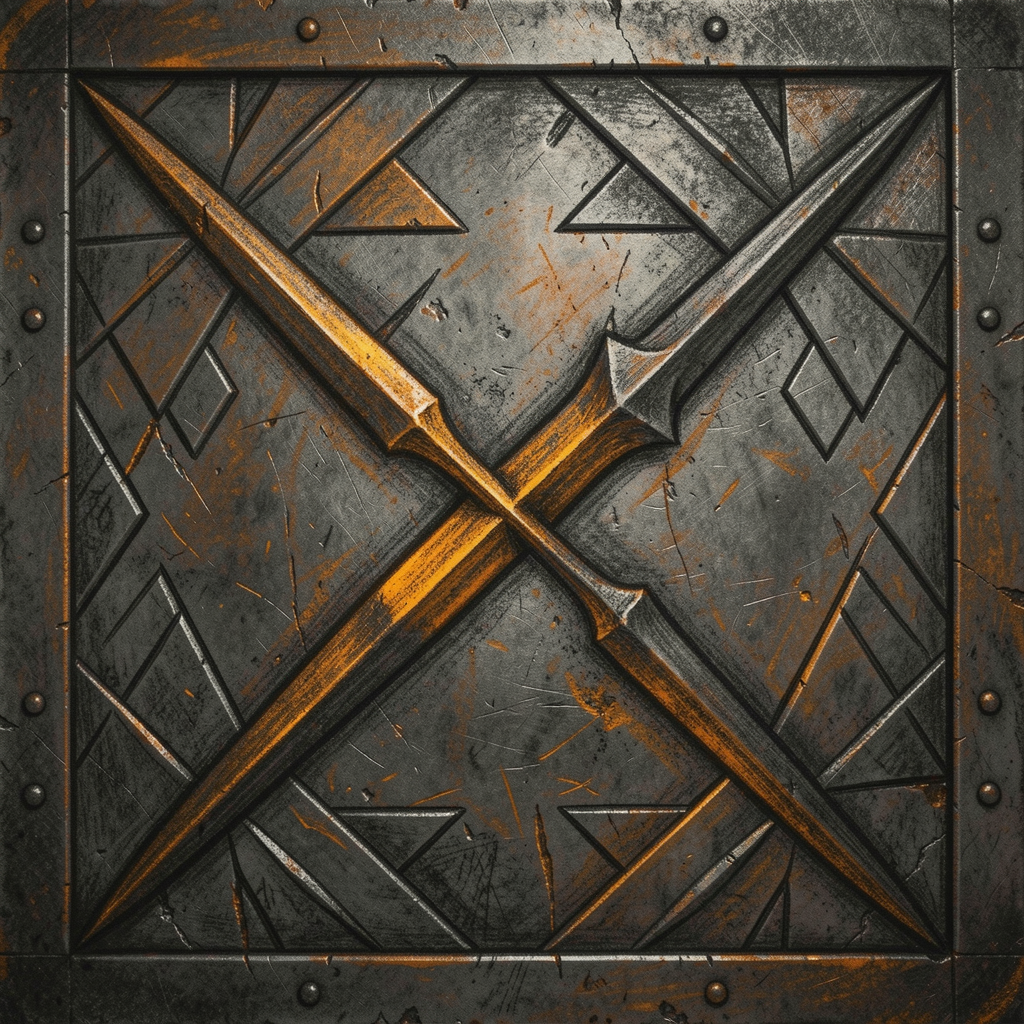
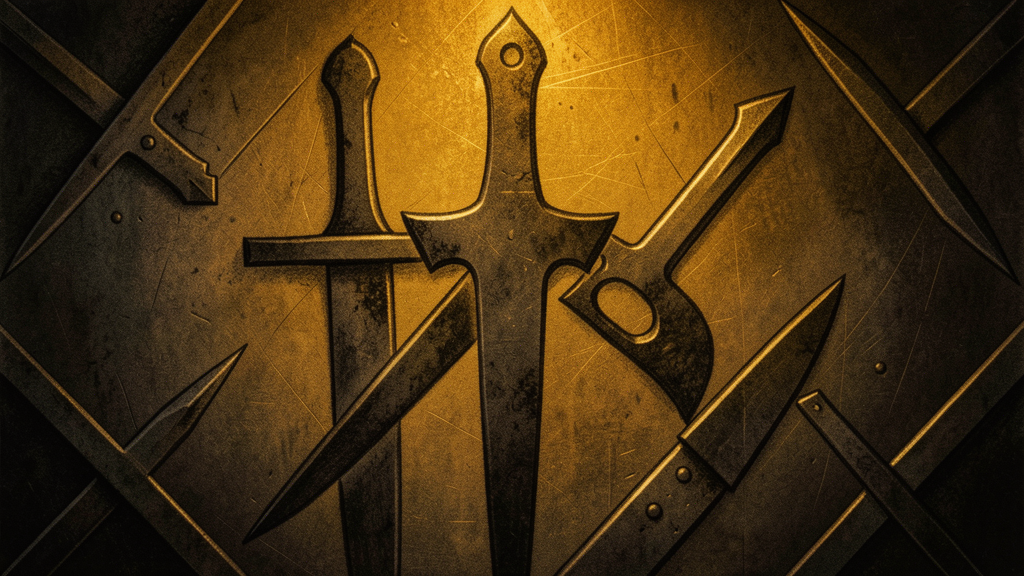
The defining characteristic of a dagger knife is its double-edged, symmetrical blade designed primarily for thrusting.
What Defines a Dagger Knife?
A dagger knife is characterized by its double-edged blade, sharpened on both sides and tapering to a central point. Unlike single-edged knives designed primarily for cutting, the dagger's symmetrical design makes it equally effective for thrusting from any angle. The blade typically ranges from 6 to 12 inches in length, though variations exist across cultures and time periods.
Historical Evolution of the Dagger
The dagger has ancient origins, dating back to the Bronze Age when early civilizations crafted daggers from copper and bronze. Throughout the Middle Ages, the dagger evolved into an essential sidearm for knights and soldiers. The Renaissance period saw increasingly elaborate designs, with daggers becoming status symbols as much as weapons. For a deeper historical overview, the Wikipedia entry on daggers provides extensive information on their development across cultures.
Types of Dagger Knives
| Type | Key Features | Typical Use |
|---|---|---|
| Bollock Dagger | Distinctive guard shape, medieval origin | Historical/Ceremonial |
| Rondel Dagger | Circular disc guards, thin blade | Armor penetration |
| Stiletto | Narrow triangular blade, no cutting edge | Thrusting |
| Bowie Knife | Large clip-point blade, often single-edged | Utility/Fighting |
| Modern Tactical Dagger | Synthetic handle materials, modern steel | Tactical/Self-defense |
Dagger vs. Other Knife Types
The primary distinction between a dagger knife and other knife types lies in the blade geometry. Most folding pocket knives and everyday carry knives feature single-edged blades optimized for slicing and utility cutting tasks. A dagger's double-edged design prioritizes thrusting capability over utility cutting, which makes it a specialized tool rather than a general-purpose knife.
Modern Dagger Knives
Today, dagger knives continue to be manufactured for collectors, historical reenactors, and tactical users. Modern dagger designs often incorporate contemporary materials such as stainless steel alloys and advanced handle materials. While not typically used for everyday carry due to their specialized nature, daggers remain a popular category for knife enthusiasts who appreciate their historical significance and elegant design.
Legal Considerations
It is worth noting that dagger knives face specific legal restrictions in many jurisdictions due to their double-edged design. Always research local laws before purchasing or carrying any knife. For everyday carry purposes, many users prefer folding pocket knives or single-edged fixed blades that avoid these restrictions while still providing reliable utility.
For those interested in exploring high-quality folding knives suitable for everyday carry, browse the collection of folding pocket knives at Artisan Cutlery.

Leave a comment
This site is protected by hCaptcha and the hCaptcha Privacy Policy and Terms of Service apply.