

Why Blade Thickness Matters for EDC Performance
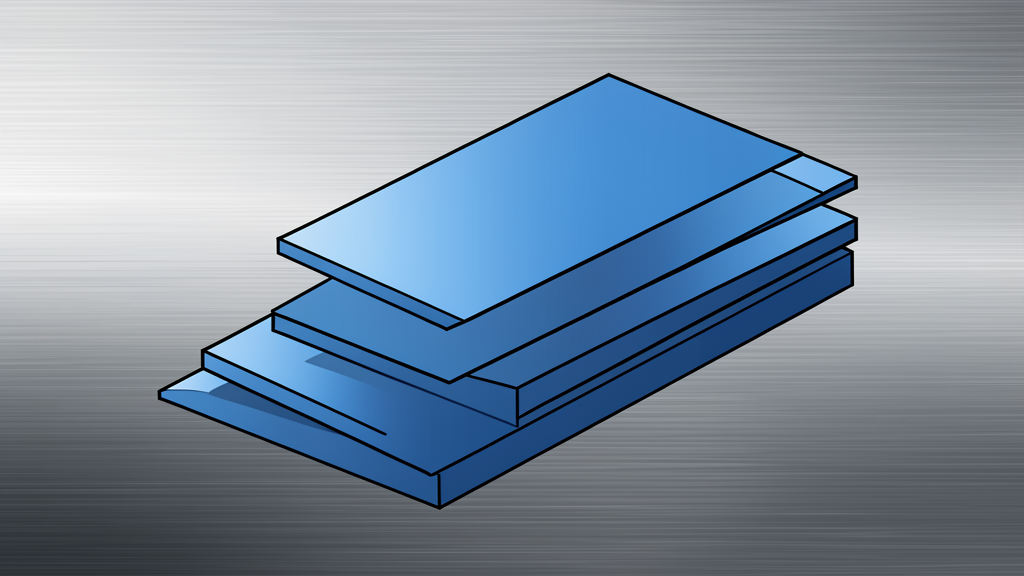
Among the many variables that determine how a folding knife performs in daily use, blade thickness is one of the most consequential and least discussed. The thickness of the blade stock — measured at the spine above the edge — combined with the blade grind geometry determines how a knife slices, how strong the tip is, and how easily the blade passes through materials. Understanding knife blade thickness helps EDC enthusiasts choose a folder that matches their actual cutting needs, rather than relying on aesthetic preference alone.
Blade stock thickness combined with grind geometry determines how well a folding knife slices through daily cutting tasks.
Common Blade Stock Thickness Ranges
Most folding knives fall into a predictable range of spine thicknesses, each suited to different use cases:
| Thickness Range | Typical Category | Best For | Trade-off |
|---|---|---|---|
| 2.0–2.5 mm | Ultra-thin, slicer | Paper, cardboard, food prep | Tip may snap under lateral stress |
| 2.5–3.0 mm | Standard EDC | General daily cutting tasks | Strong balance of slice and strength |
| 3.0–3.5 mm | Heavy EDC | Tougher materials, outdoor use | Reduced slicing efficiency |
| 3.5–4.5 mm | Hard-use | Heavy abuse, prying-adjacent tasks | Poor slicer, thick behind the edge |
How Grind Geometry Interacts with Thickness
Blade stock thickness tells only part of the story. The grind — how the blade material is removed from the flat side of the steel down to the cutting edge — determines how much of that thickness translates into cutting resistance. A blade that is 3.0 mm thick with a full flat grind that narrows continuously from spine to edge will cut significantly better than a 3.0 mm blade with a saber grind that keeps the blade thick until near the edge. The key metric is thickness behind the edge: the actual thickness of the steel immediately above the cutting bevel. Thin behind the edge is the single most important determinant of slicing performance, regardless of spine thickness.
- Full flat grind — Tapers from spine to edge. Excellent slicer. The most common grind on modern EDC folding knives. Best weight-to-performance ratio.
- Saber grind — Starts lower on the blade, leaving more thickness in the middle. Stronger but cuts less efficiently. Common on tactical or hard-use designs.
- Hollow grind — Concave grind that creates a very thin edge. Excellent for slicing but more fragile at the edge. Historically common on straight razors and some premium folders.
- Scandi grind — Single bevel from the grind line to the edge. Very strong edge geometry popular on bushcraft knives but less common on EDC folders.
Blade Thickness by Use Case
Matching blade thickness to your primary cutting tasks ensures better performance and longer edge life:
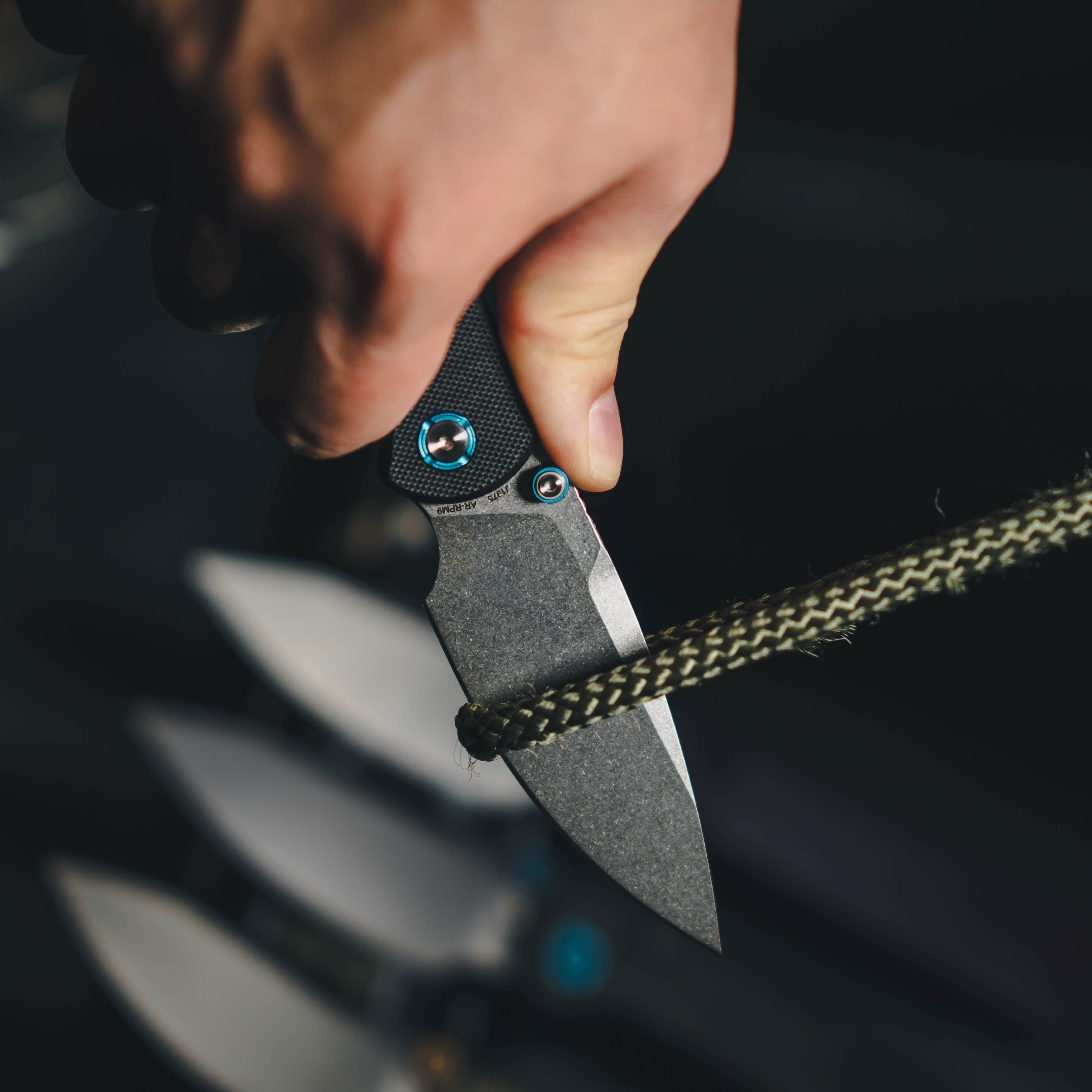
Light EDC (office, warehouse, daily packages) — A blade between 2.5 and 3.0 mm with a full flat grind is ideal. This combination slices through tape, cardboard, and packaging with minimal resistance. The thinner stock also means the knife carries lighter in the pocket. Models in this range from manufacturers like Artisan Cutlery offer excellent daily utility without excess weight.
Outdoor and camping use — A 3.0 to 3.5 mm blade provides the extra strength needed for tougher tasks like cutting rope, preparing food outdoors, or light woodwork. A saber or full flat grind works well, depending on whether slicing or strength is prioritized.
Heavy or tactical use — Blades over 3.5 mm are built for demanding conditions. These knives prioritize tip strength and overall durability over slicing finesse. They are heavier in the pocket and require more force to cut through materials, but they can handle tasks that would damage thinner blades.
Beyond Thickness: Edge Geometry and Sharpening
Once you have selected a blade with appropriate stock thickness and grind, the edge bevel angle further refines cutting performance. A thin blade with a 15-degree edge bevel will slice aggressively but may dull faster on abrasive materials. A thicker blade with a 20-degree edge bevel offers more edge stability but requires more force to initiate cuts. The best EDC edge angle depends on the steel hardness and your typical cutting tasks. For more detail on sharpening strategy by steel type, the Science of Sharp resource provides microphotographic analysis of edge geometry.
Artisan Cutlery produces folding knives across a range of blade thicknesses suited to different carry styles. Browse the Artisan Cutlery folding pocket knife collection to find a blade that matches your preferred balance of slicing performance and durability.

Leave a comment
This site is protected by hCaptcha and the hCaptcha Privacy Policy and Terms of Service apply.